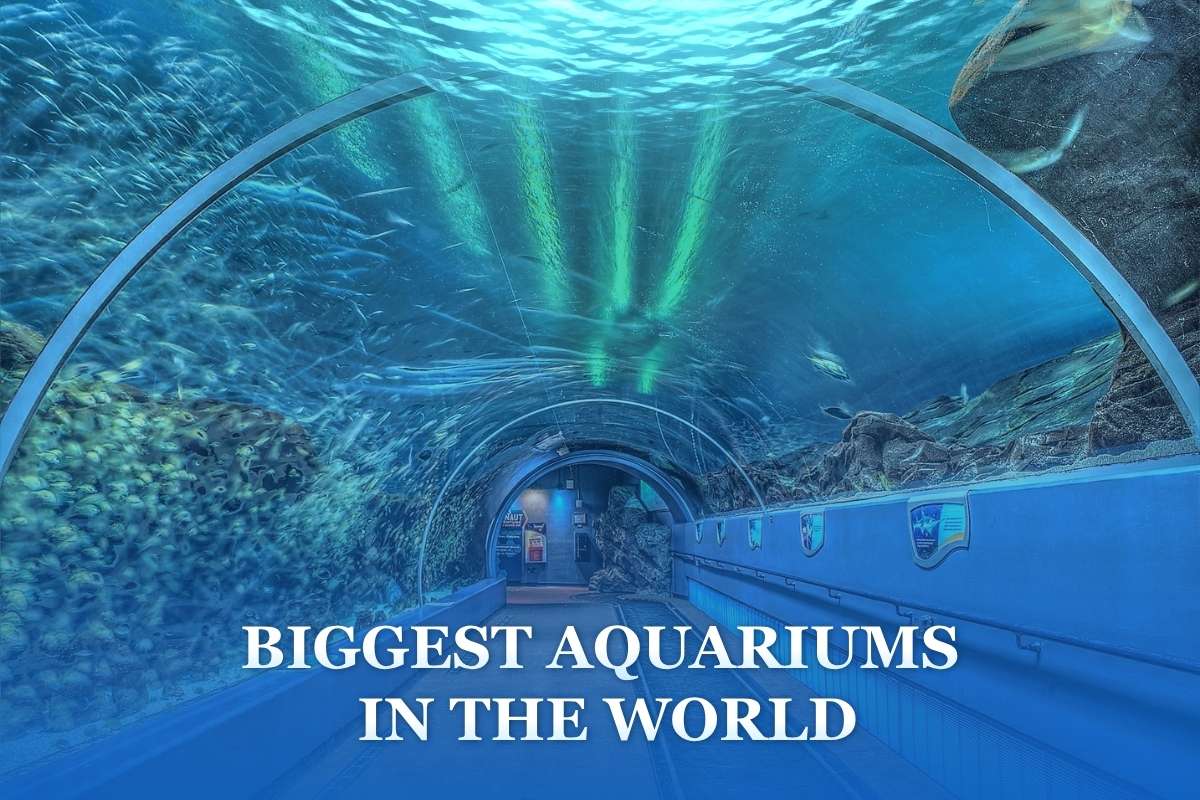
The world’s best aquariums are magical places where you can get up close and personal with marine life through immersive tunnels and enormous habitats. These marvels inspire conservation efforts to save endangered species, increase tourism with millions of visitors each year, and advance education by showing ocean ecosystems. Tens of millions of liters of water and thousands of species can be found in modern giants, transforming curiosity into awe.
In the middle of ongoing global marine research, more than 2,000 new species are discovered annually by organizations like the Census of Marine Life. A tour of the biggest aquariums in the world reveals engineering marvels.
How We Ranked The Biggest Aquariums in the World?
We evaluated each facility based on six critical pillars:
- Total Water Volume (Primary Metric): This is our most weighted factor. Total capacity reflects the massive infrastructure and engineering required to maintain such vast aquatic environments.
- Main Tank Size: We look at the “centerpiece” exhibits. The scale of the largest single tank often determines if a facility can house apex species like whale sharks or manta rays.
- Biodiversity & Species Count: A high-ranking aquarium must host a diverse range of marine life, from microscopic invertebrates to large pelagic mammals.
- Visitor Popularity: Footfall serves as a proxy for educational reach and the quality of the guest experience.
- Innovation & Exhibit Design: We reward the use of immersive technology, such as 360-degree acrylic tunnels and floor-to-ceiling viewing windows.
- Conservation & Research: Top-tier institutions are more than just attractions; they are active hubs for marine biology research and species rehabilitation.
Key Concepts for Enthusiasts
To understand these rankings. It is helpful to distinguish between two common industry terms:
➣ Aquarium vs. Oceanarium: While an aquarium can house both freshwater and marine life. An oceanarium specifically focuses on marine habitats and is usually located on the coast. They often utilize natural seawater.
➣ Total Volume vs. Single Tank Capacity: A facility might have a massive total volume spread across 100 small tanks. But a high single tank capacity (like Georgia Aquarium’s 6.3 million-gallon tank) is required to support the world’s largest fish.
Here Are the Top 15 Biggest Aquariums in the World:
Step into a world where entire oceans live under one roof. These are the Biggest Aquariums in the World, where scale, science, and spectacle collide.
| Rank | Aquarium Name | Location | Opened Year | Water Capacity (approx.) | Species Count (approx.) |
| 1 | Chimelong Spaceship | Zhuhai, China | 2023 | 75.35 million liters | Thousands of species (>100,000 animals) |
| 2 | SeaWorld Abu Dhabi | Abu Dhabi, UAE | 2023 | 58.0 million liters | Several thousand species |
| 3 | Chimelong Ocean Kingdom | Hengqin, China | 2014 | 48.75 million liters | Hundreds of species (>15,000 animals) |
| 4 | S.E.A. Aquarium | Singapore | 2012 | 45.2 million liters | 1,000+ species (100,000 animals) |
| 5 | L’Oceanogràfic | Valencia, Spain | 2003 | 41.6 million liters | 500+ species |
| 6 | Georgia Aquarium | Atlanta, USA | 2005 | 41.64 million liters | 500+ species (100,000 animals) |
| 7 | Moscow Oceanarium | Moscow, Russia | 2015 | 25 million liters | Dozens of species (thousands of animals) |
| 8 | Port of Nagoya Public Aquarium | Nagoya, Japan | 1992 (rebuilt 2005) | 27 million liters | 500+ species (50,000 animals) |
| 9 | The Seas with Nemo & Friends | Walt Disney World, Florida, USA | 1986 (refurbished 2007) | 21.6 million liters | 100+ species (10,000 animals) |
| 10 | Aqua Planet Jeju | Jeju Island, South Korea | 2014 | 10.8 million liters | 260+ species (35,000 animals) |
| 11 | Nausicaá – Centre National de la Mer | Boulogne‑sur‑Mer, France | 1991 | 10–11 million liters | 700+ species (>58,000 animals) |
| 12 | Okinawa Churaumi Aquarium | Okinawa, Japan | 2002 | 10–11 million liters | 740 species |
| 13 | Dubai Mall Aquarium & Underwater Zoo | Dubai, UAE | 2008 | 10 million liters | Hundreds of species (33,000 animals) |
| 14 | Shedd Aquarium | Chicago, USA | 1930 | 19 million liters | 1,500+ species (32,000 animals) |
| 15 | Oceanário de Lisboa | Lisbon, Portugal | 1998 | 15–20 million liters | Hundreds of species (16,000 animals) |
1. Chimelong Spaceship – Zhuhai, China

- Water capacity: 75.35 million liters
- Opened year: 2023
- Key highlights: World’s largest aquarium by total volume; extensive marine-park-style zones, including retail, rides, and educational exhibits.
- Species count: Over 100,000 animals across thousands of species.
- Unique feature: Integrated “spaceship”-themed entertainment complex with multiple giant tanks and immersive zones.
Chimelong Spaceship feels like walking through a giant underwater theme park. It is one of the biggest aquariums in the world. They are built as a huge entertainment complex with rides, shows, and life‑sized creatures. The main tanks are huge, with whales, sharks, and rays swimming right above visitors. The design mixes science and fun, so both kids and adults learn about marine life while enjoying rides and shows. Huge lighting, digital displays, and open‑ocean views make it feel like you are inside a real ocean world.
2. SeaWorld Abu Dhabi – Abu Dhabi, UAE

- Water capacity: 58.0 million liters
- Opened year: 2023
- Key highlights: Cutting-edge Marine Park combining conservation, education, and high-tech exhibits; home to dolphins, sharks, rays, and more.
- Species count: Several thousand species, with hundreds of individual animals.
- Unique feature: One of the largest indoor-oceanariums in the world, designed as a “marine research-inspired” experience.
SeaWorld Abu Dhabi turns a marine park into a complete indoor ocean experience. The building is huge, with huge pools, shows, and play areas where visitors see dolphins, sea lions, and hundreds of colorful fish. The park focuses on education and fun, teaching guests how oceans work and why marine life needs protection. Many areas are built like underwater tunnels or large windows, so you feel surrounded by water. It is also a research center, helping scientists study how to care for animals in the wild.
3. Chimelong Ocean Kingdom – Hengqin, China
- Water capacity: 48.75 million liters
- Opened year: 2014
- Key highlights: Holds Guinness World Records for largest aquarium, largest aquarium tank, and largest acrylic dome; major theme-park anchor.
- Species count: Over 15,000 marine animals from hundreds of species.
- Unique feature: Colossal single-view tank with a giant dome and multiple ride-integrated exhibits.
Chimelong Ocean Kingdom is one of the biggest aquariums in the world and a major theme park at the same time. It has record‑breaking tanks, including one of the largest aquarium tanks ever built and a giant dome people can walk under. You can see rare animals like whale sharks, manta rays, and seals, all in one big zone. The park mixes rides, shows, and feeding sessions so visitors stay busy from morning to evening. The huge glass walls and soft lighting make the animals look calm and easy to watch, even in busy crowds.
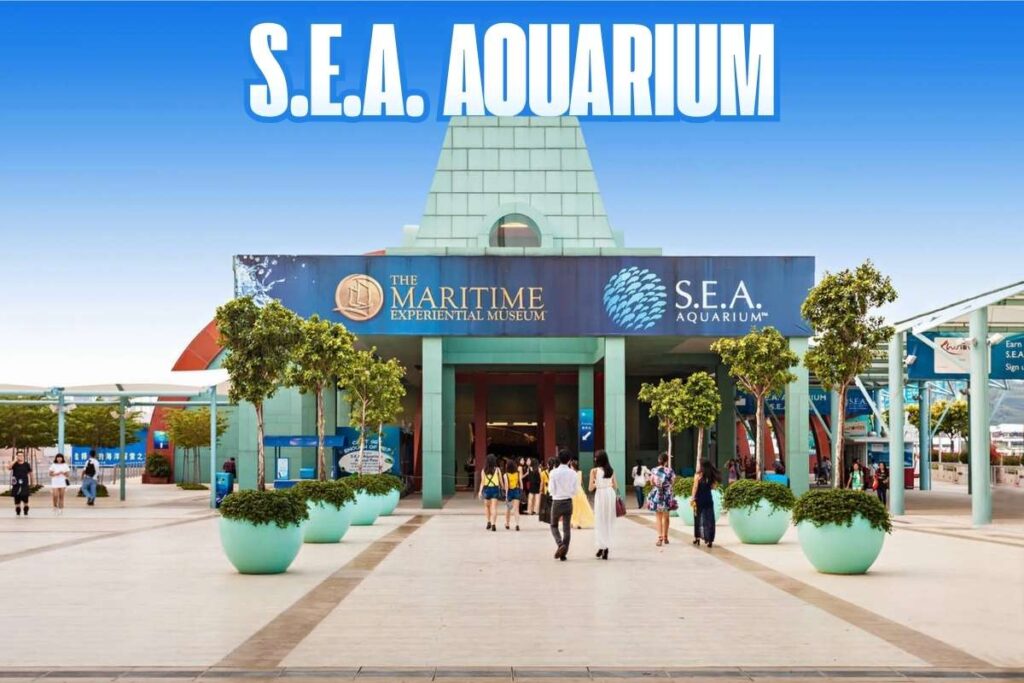
4. S.E.A. Aquarium – Singapore
- Water capacity: 45.2 million liters
- Opened year: 2012
- Key highlights: Part of Resorts World Sentosa; one of the world’s largest oceanariums with rich Southeast Asian marine life.
- Species count: About 100,000 animals from more than 1,000 species.
- Unique feature: Massive front-view tank with a large acrylic window and an immersive underwater tunnel.
S.E.A. Aquarium at Resorts World Sentosa is like stepping into the heart of the sea. The main tank is enormous, with one of the world’s largest viewing windows and a long underwater tunnel. Visitors walk past sharks, rays, and schools of silver fish that swim all around them. The aquarium focuses on Southeast Asian marine life, showing how coral reefs and open‑ocean habitats work. Many interactive displays explain how pollution and climate change affect the ocean. It feels like a calm underwater world inside a busy resort.
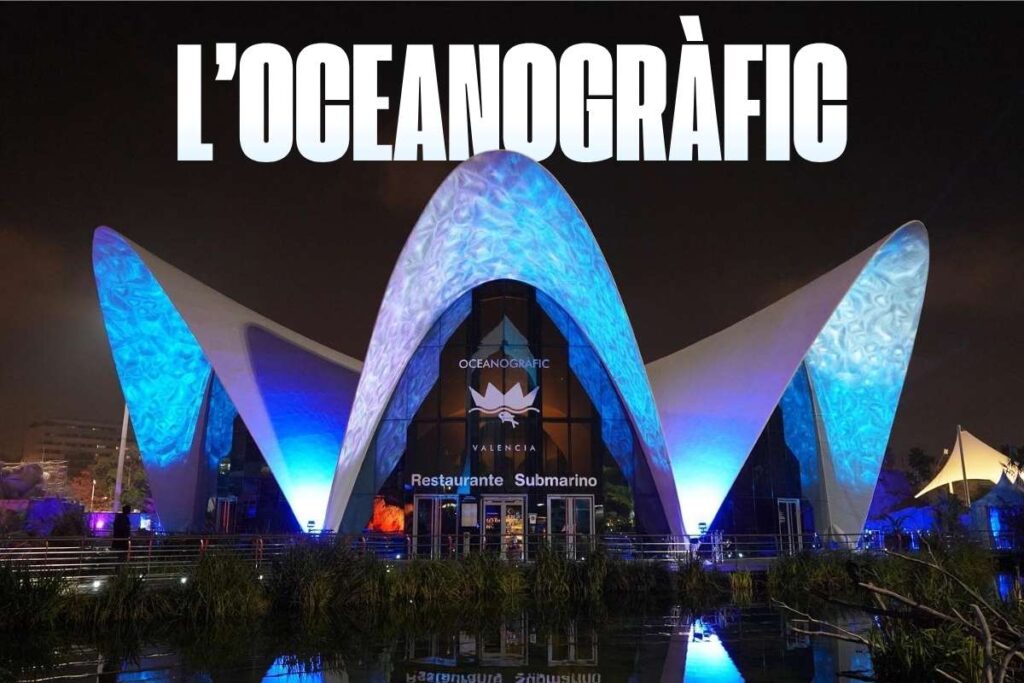
5. L’Oceanogràfic – Valencia, Spain
- Water capacity: 41.6 million liters
- Opened year: 2003
- Key highlights: Europe’s largest aquarium-style complex; focuses on Mediterranean and global marine ecosystems.
- Species count: Over 500 species, including fish, seabirds, and marine mammals.
- Unique feature: Nine themed regions in one integrated complex, all revolving around a central ocean-style tank.
L’Oceanogràfic in Valencia is Europe’s largest ocean‑style aquarium complex. It is built like a single large structure with nine themed areas, each showing a different part of the ocean. You can see Mediterranean fish, Arctic animals, tropical reefs, and even seabirds, all in one visit. The central area is a huge open tank that visitors can walk around, giving a view from many angles. The design uses natural light and simple shapes, so the focus stays on the animals. The center also runs talks and programs to teach visitors about protecting the sea.
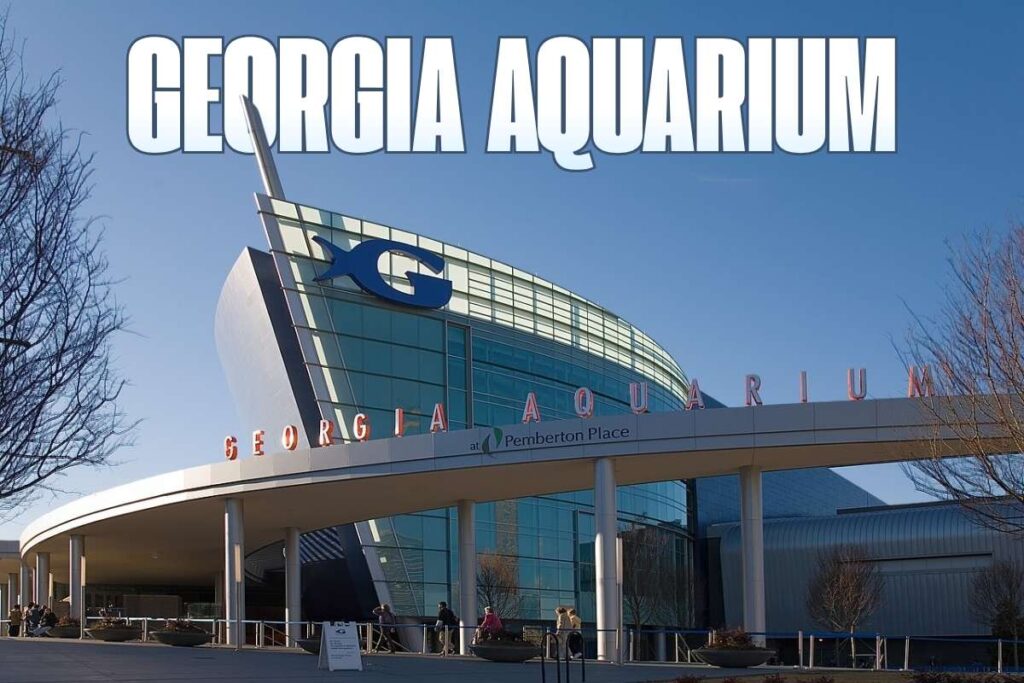
6. Georgia Aquarium – Atlanta, USA
- Water capacity: 41.64 million liters
- Opened year: 2005
- Key highlights: Largest aquarium in the Western Hemisphere; famous for whale sharks, manta rays, and large open-ocean tanks.
- Species count: Around 100,000 animals from over 500 species.
- Unique feature: One of the only public aquariums outside Asia to house whale sharks.
The Georgia Aquarium in Atlanta is the largest aquarium in the Western Hemisphere and feels like a small underwater city. The building has huge tanks, including one of the world’s biggest walk‑through tunnels for sharks and rays. Visitors can see whale sharks, manta rays, and sea lions in open‑ocean‑style areas. The tone is part education, part entertainment, with clear signs and staff explaining how animals feed, swim, and rest. The aquarium also works with scientists to learn better ways to care for marine life and share those ideas with the public.
7. Moscow Oceanarium – Moscow, Russia
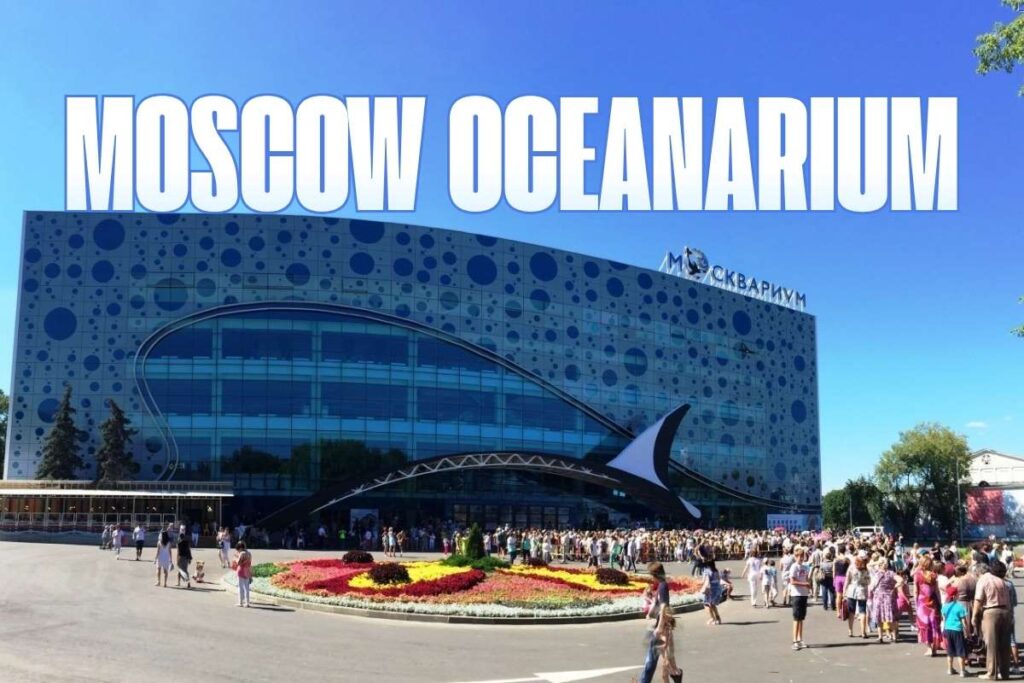
- Water capacity: 25 million liters
- Opened year: 2015
- Key highlights: One of the largest indoor oceanariums in Europe, combining education, research, and entertainment.
- Species count: Thousands of animals from dozens of species.
- Unique feature: Large dolphin and sea-lion show arenas plus a multi-level walk-through tunnel.
Moscow Oceanarium is one of the biggest aquariums in the world in Europe, built as a large indoor ocean park. It has many tanks, shows, and interactive areas where visitors watch dolphins, seals, and birds perform and learn about their behavior. The main pools are wide and deep, so animals can swim freely and show natural movements. The building uses bright lights and simple galleries so families can walk through without feeling lost. The center also runs children’s programs and talks about how to protect rivers and seas around Russia.
8. Port of Nagoya Public Aquarium – Nagoya, Japan
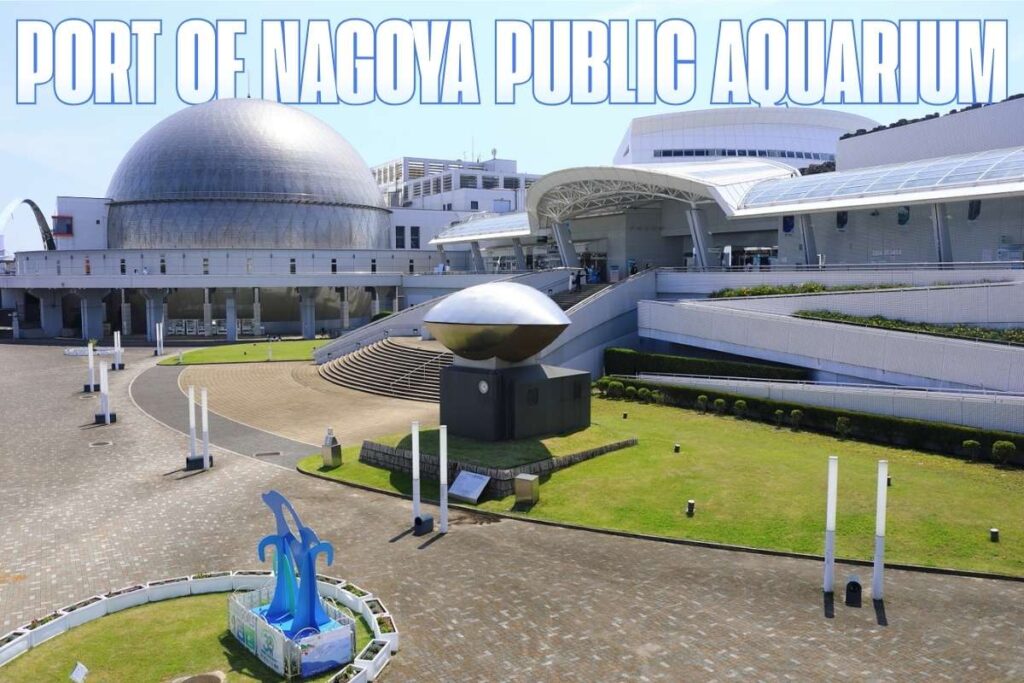
- Water capacity: 27 million liters
- Opened year: 1992 (rebuilt and expanded in 2005)
- Key highlights: Known for large open-ocean tanks and strong marine-mammal programs.
- Species count: Over 50,000 animals from around 500 species.
- Unique feature: Massive open-ocean tank with huge viewing windows and whale shark exhibits.
Port of Nagoya Public Aquarium is known for its massive open‑ocean tanks and calm, open design. The aquarium focuses on big animals like whales, dolphins, and sea lions, as well as thousands of fish and jellyfish. The main tank is very wide, with large windows and soft lighting that make it easy to watch animals for long periods. The layout is simple and clean, with clear paths so visitors do not get confused. The center also shares information about local marine life and how ports affect the ocean.
9. The Seas with Nemo & Friends – Walt Disney World, Florida, USA
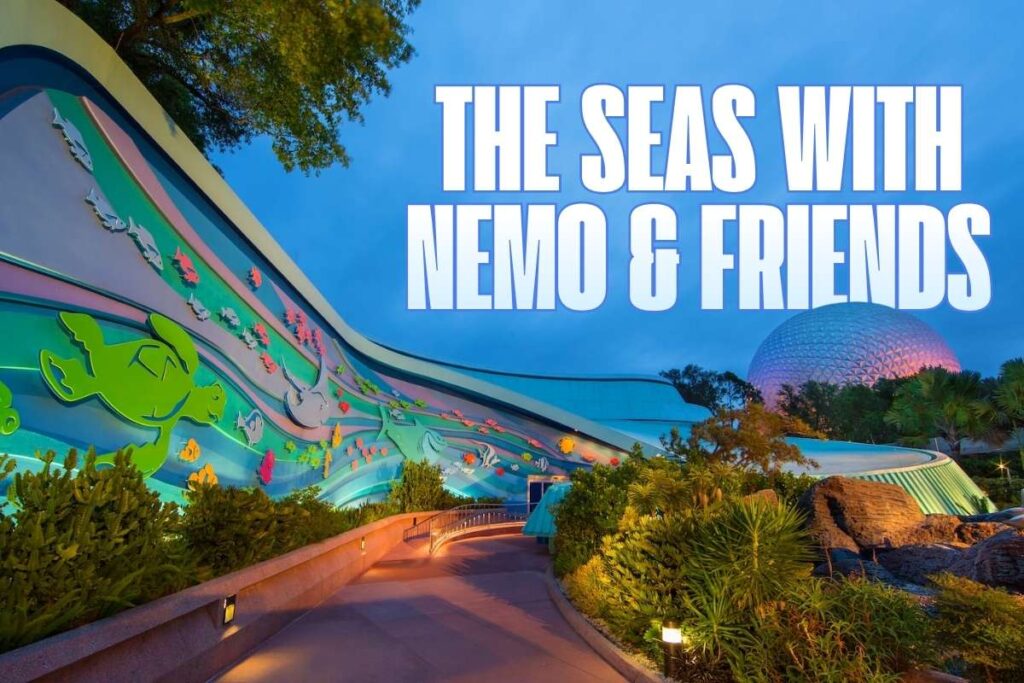
- Water capacity: 21.6 million liters
- Opened year: 1986 (major refurbishment and retheme in 2007)
- Key highlights: Integrates Disney storytelling with real marine life; popular family-friendly attraction at EPCOT.
- Species count: About 10,000 animals from over 100 species.
- Unique feature: Large submerged pavilion with a continuous ocean-tank “backdrop” and ride-through experience.
The Seas with Nemo & Friends is a Disney‑style aquarium that mixes real marine life with familiar cartoon characters. Inside EPCOT, visitors walk through a large underwater pavilion where a giant tank forms the background for the ride and shows. You can see colorful fish, rays, and sea turtles swimming all around while the story of Nemo and Dory plays on screens above. The focus is on fun and learning, using simple language and short videos to explain how coral reefs and oceans work. The aquarium also runs small hands‑on areas for kids to touch starfish and learn about tides.
10. Aqua Planet Jeju – Jeju Island, South Korea
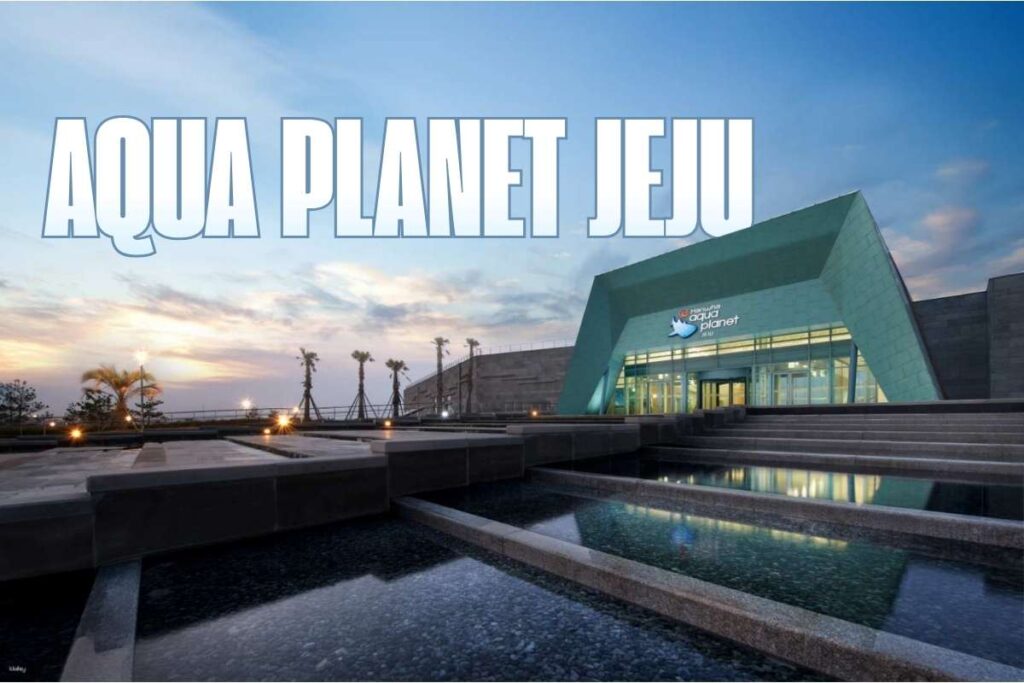
- Water capacity: 10.8 million liters
- Opened year: 2014
- Key highlights: One of the largest aquariums in Asia, featuring diverse habitats and immersive digital zones.
- Species count: Around 35,000 marine animals from over 260 species.
- Unique feature: Large themed zones (Polar, Arctic, ocean tunnels) and interactive projection-based exhibits.
Aqua Planet Jeju on Jeju Island is a modern, family‑friendly aquarium with many themed zones. The building is large, with different halls for polar animals, tropical fish, and deep‑sea creatures. Long underwater tunnels let visitors walk through while fish and rays swim above and around them. The lighting and music change from hall to hall, making each area feel unique. The aquarium also uses digital displays and simple signs to explain how animals live in ice, warm seas, and dark ocean depths.
11. Nausicaá – Centre National de la Mer – Boulogne-sur-Mer, France

- Water capacity: 10–11 million liters
- Opened year: 1991 (major expansion in late 2010s)
- Key highlights: Europe’s largest public aquarium focused on ocean conservation and education.
- Species count: Over 58,000 animals from 700+ species.
- Unique feature: Large open-ocean tank with a transparent walkway and strong focus on marine-protection messaging.
Nausicaá in Boulogne‑sur‑Mer is France’s largest public aquarium and a strong center for ocean education. The building is shaped like waves and opens into a huge open‑ocean tank, where visitors can walk around. The aquarium shows many types of sea life, from small invertebrates to big sharks and rays. The walls are full of clear signs and short videos that explain how pollution, fishing, and climate change affect the sea. The center also runs school programs and talks so children and adults can learn simple ways to protect the ocean.
12. Okinawa Churaumi Aquarium – Okinawa, Japan

- Water capacity: 10–11 million liters
- Opened year: 2002
- Key highlights: Famous for its giant open-ocean tanks and whale shark displays.
- Species count: Around 740 species, including thousands of individual animals.
- Unique feature: One of the world’s largest single-view whale shark tanks with a massive acrylic window.
Okinawa Churaumi Aquarium is famous for its giant open‑ocean tank and whale sharks. The main tank is one of the largest in the world, with a huge window where people can stand in front of and watch animals for long periods. Whale sharks, manta rays, and large schools of fish swim together in calm, open water. The aquarium uses soft lighting and simple pathways so visitors can enjoy the view without feeling crowded. The center also shares information about coral reefs and how local islands depend on healthy oceans.
13. Dubai Mall Aquarium & Underwater Zoo – Dubai, UAE
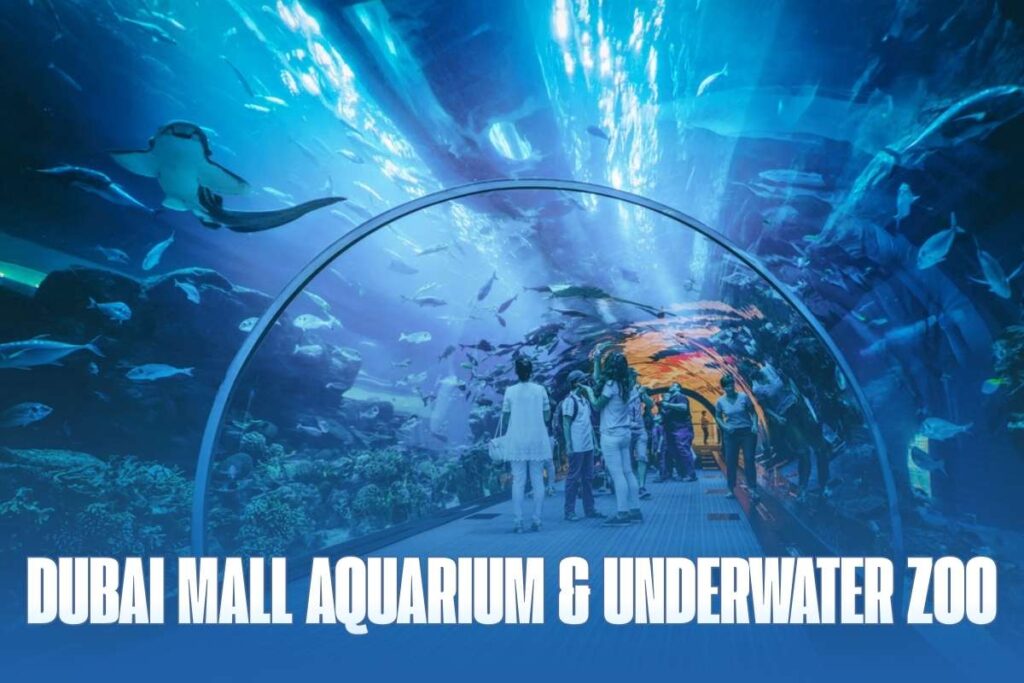
- Water capacity: 10 million liters
- Opened year: 2008
- Key highlights: Located in the world’s largest mall, it combines a massive aquarium with an interactive underwater zoo.
- Species count: Over 33,000 animals from hundreds of species.
- Unique feature: Long underwater tunnel with a glass-bottom boat ride and immersive thematic zones.
The Dubai Mall Aquarium & Underwater Zoo sits inside one of the world’s largest shopping malls and feels like an underwater world in the middle of a city. The main tank is huge, with a long glass tunnel and a glass‑bottom boat ride so visitors can look down into the water. Hundreds of fish, sharks, and rays swim around each other while shoppers walk above on the mall floor. The Underwater Zoo area adds small zones with penguins, otters, and other animals, each with simple signs explaining their habits. The mix of shopping and ocean life makes it one of the biggest aquariums in the world, which also feels like a fun day‑out center.
14. Shedd Aquarium – Chicago, USA

- Water capacity: 19 million liters
- Opened year: 1930 (major expansions since)
- Key highlights: Historic North American giant with large Caribbean-style tanks and strong research programs.
- Species count: Over 32,000 animals from 1,500+ species.
- Unique feature: One of the largest indoor marine mammal habitats and one of the first aquariums to display beluga whales.
The Shedd Aquarium in Chicago is one of the oldest and largest aquariums in North America. The building has many large tanks, including a big Caribbean‑style reef and a wide space for marine mammals. Visitors can see beluga whales, dolphins, penguins, and many species of fish in calm, open‑water areas. The layout is simple, with clear paths and short signs that explain how animals eat, move, and rest. The aquarium also works with scientists to study how climate change and pollution affect lakes and oceans around the United States.
15. Oceanário de Lisboa – Lisbon, Portugal
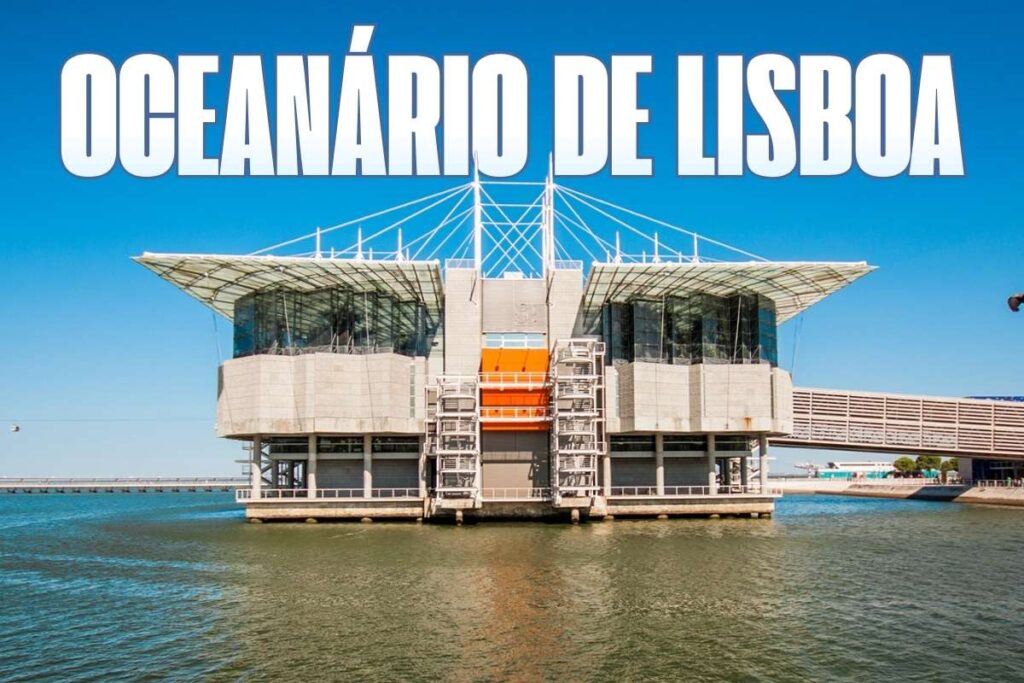
- Water capacity: 15–20 million liters
- Opened year: 1998
- Key highlights: Built for Expo ‘98; showcases global marine ecosystems in a single iconic complex.
- Species count: Around 16,000 animals from hundreds of species.
- Unique feature: Central “ocean” tank surrounded by four outer habitats representing different climates, all designed as one architectural masterpiece.
Oceanário de Lisboa in Lisbon is built like a single ocean center and is one of the biggest aquariums in the world in terms of design and scale. The main tank is large and round, with water flowing through it like a small ocean. Around this central tank are four smaller habitats that show different climates: Arctic, Temperate, Tropical, and Antarctic. Each area uses simple shapes and natural light so visitors can focus on the animals. The center also runs talks and small shows to teach how oceans connect all parts of the planet and why protecting them matters.
Most Spectacular Exhibits and Features:
Animals in tanks are no longer the only thing displayed in modern aquariums. In order to give visitors an understanding of how life actually functions in the ocean, ice zones, or coral reefs, many of the largest aquariums in the world now replicate entire ecosystems, including water flow, temperature, light, and even weather.
1. Underwater tunnels (Singapore, Georgia)
Aquariums like S.E.A. Aquarium (Singapore) and Georgia Aquarium (USA) use long underwater tunnels where sharks, rays, and schools of fish swim all around visitors. The glass floor and curved walls create a 360-degree ocean feel, as if you are walking along the seabed.
2. Whale shark tanks (rare globally)
Very few places in the world can keep whale sharks, so S.E.A. Aquarium, Chimelong Ocean Kingdom, Georgia Aquarium, and Okinawa Churaumi are special. Their giant open-ocean tanks let these gentle giants glide overhead, giving visitors a rare close-up view of the world’s largest fish.
3. Coral reef ecosystems (Chimelong)
Chimelong Ocean Kingdom and Chimelong Spaceship build full coral-reef zones with live corals, tropical fish, and colorful seahorses. The tanks mimic natural light cycles and water flow so the reef looks like a real underwater garden, not just a bright display.
4. Hybrid theme park experiences (China aquariums)
Chinese giants like Chimelong Spaceship and Chimelong Ocean Kingdom mix aquariums with rides, shows, and digital zones. You can see huge marine life, then ride a coaster or watch a live show, making the biggest aquariums in the world feel like a full-day entertainment hub.
5. Arctic + Antarctic zones (Abu Dhabi, Moscow)
SeaWorld Abu Dhabi and Moscow Oceanarium include Arctic and Antarctic halls with penguins, seals, and icy landscapes. Cold-water tanks, snow-like décor, and dim lighting simulate Polar Regions. So visitors experience how animals live in freezing oceans.

You’ll Wish You Lived Here: Coolest Places to Live in the World in 2026
Here are the 12 Coolest Places to Live in the World in 2026: 1. Vienna 2. Copenhagen 3. Amsterdam 4. Paris 5. Tokyo 6. Barcelona 7. Vancouver 8. Queenstown
How to Plan Your Visit to the Biggest Aquariums in the World?
Visiting one of the biggest aquariums in the world is easier when you plan a little. These tips work for most major aquariums in Asia, Europe, North America, and the Middle East.
➣ Best time to visit:
- Weekdays are quieter than weekends and school holidays.
- Morning (right after opening) is usually less crowded than the afternoon.
- Avoid peak holidays (summer weekends, Christmas, major local festivals) if possible.
➣ Average ticket cost range (global estimate):
- Adults: Roughly $20–$50 USD depending on city and park size.
- Children & seniors: Often 20–30% cheaper than adult rates.
- Many aquariums offer online discounts or combo tickets with nearby attractions.
➣ Time needed:
- Basic visit: 2–3 hours lets you see the main tanks and walk-through zones.
- Full experience (shows, feeding times, exhibits): 4–5 hours is ideal.
- Always check the show and feeding timetables on the aquarium’s website.
➣ Family vs solo traveler tips:
For families:
Use stroller-friendly routes and kid-oriented zones.
Plan around feeding times and shows to keep children engaged.
For solo travelers:
Visit early to avoid crowds and take photos.
Focus on one or two main exhibits if you have limited time.
➣ Accessibility (wheelchair, kids):
- Most big aquariums are wheelchair accessible with ramps, elevators, and wide paths.
- Many offer stroller rental, baby-changing rooms, and family rest areas.
- Check the website or app for accessibility maps before you go.
Global travel tip:
➣ Visas & travel
- Research visa rules for your nationality and country (e.g., Schengen for Europe, UAE/GCC rules for Dubai).
- Some aquarium cities (Singapore, Dubai, and Lisbon) are visa-free or e-visa-friendly for many passports.
- Always keep your passport and hotel details handy for travel and check-in.
➣ Nearby attractions
- Singapore (S.E.A. Aquarium): Pair your visit with Sentosa Island beaches, Universal Studios, and Gardens by the Bay.
- Abu Dhabi (SeaWorld Abu Dhabi): Combine with Ferrari World, Yas Waterworld, and the city’s museums.
- Lisbon (Oceanário de Lisboa): Add Parque das Nações, river cruises, and old-town sightseeing.
Here Are Some Fun Facts & Records:
- Largest aquarium tank ever built: Chimelong Ocean Kingdom’s main tank holds about 48.75 million liters, making it one of the biggest single-tank aquariums on Earth.
- Aquariums with whale sharks: Only a few places worldwide keep whale sharks, including S.E.A. Aquarium (Singapore), Georgia Aquarium (USA), Chimelong Ocean Kingdom (China), and Okinawa Churaumi (Japan).
- Over 50 million liters of water: The Biggest aquariums in the world, like Chimelong Spaceship and SeaWorld Abu Dhabi, run tanks and systems that hold more than 50 million liters combined.
- Underwater tunnels longer than 30+ meters: Major aquariums such as S.E.A. Aquarium and Georgia Aquarium feature walk-through tunnels that stretch over 30 meters, letting visitors feel fully surrounded by marine life.
- 100,000+ animals in one place: Some of the largest facilities, like S.E.A. Aquarium and Chimelong Ocean Kingdom, house over 100,000 individual animals across hundreds of species.
Expert Insight & Conservation:
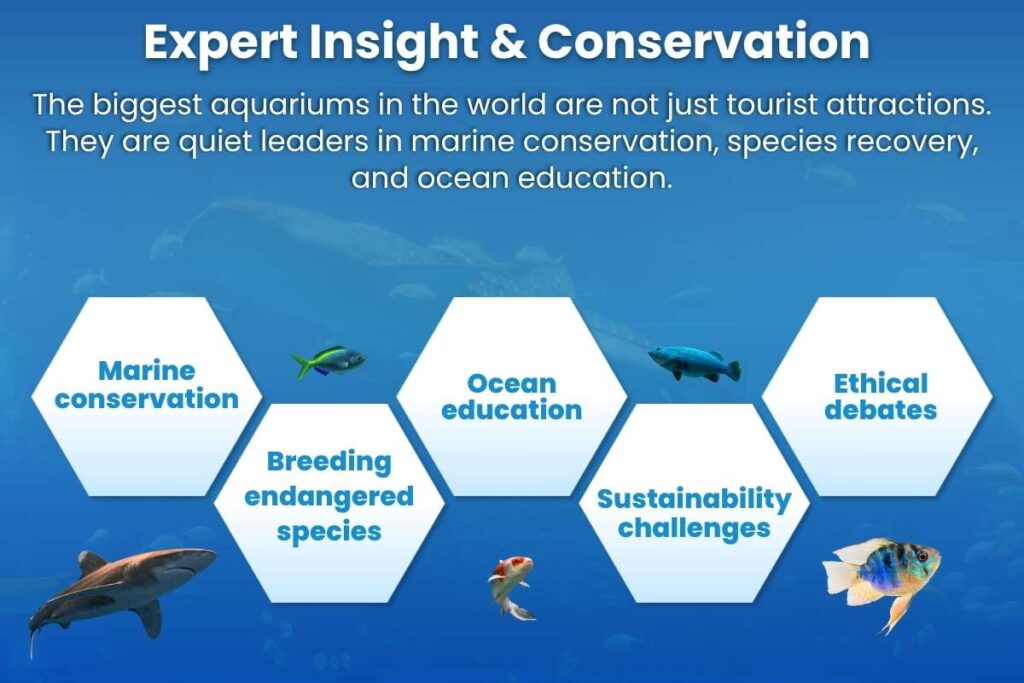
The biggest aquariums in the world are not just tourist attractions. They are quiet leaders in marine conservation, species recovery, and ocean education.
✧ Marine conservation:
Many large aquariums support field-based projects, such as coral-reef restoration, turtle-rescue networks, and plastic-free-ocean campaigns. They fund research, share data with scientists, and promote “ocean-friendly” choices like sustainable seafood and reduced single-use plastics.
✧ Breeding endangered species:
Captive breeding programs in major aquariums help protect at-risk species from extinction. Facilities participate in coordinated global schemes (e.g., Species Survival Programs), raising endangered fish, rays, and corals in safe environments and sometimes returning offspring to the wild.
✧ Ocean education:
Aquariums turn abstract threats like climate change and overfishing into real-life stories visitors can see and feel. School groups, guided tours, and interactive displays build ocean literacy, helping children and adults understand why healthy seas matter and how daily choices affect marine life.
✧ Sustainability challenges:
Running the biggest aquariums in the world is energy- and water-intensive: heating, cooling, and filtering millions of liters creates a large carbon and resource footprint. Many are now investing in energy-efficient systems, closed-loop water treatment, and local species displays to reduce environmental impact.
✧ Ethical debates:
Some visitors question whether keeping large marine animals like dolphins, belugas, or manta rays in captivity is fair, even when it supports conservation and research. Reputable aquariums respond with stricter animal-welfare standards, open-water sanctuaries, and transparent reporting so the public can judge whether their mission matches their methods.
Conclusion:
There is more to the biggest aquariums in the world than just fish and glass tanks. They combine global entertainment venues, living classrooms, and conservation centers into one. Under one roof, you can experience the force of Arctic ice, stroll through underwater tunnels, and look up at whale sharks.
These huge aquariums show what can be accomplished by humans when science, design, and environmental preservation are combined. The world’s largest aquariums serve as a reminder that the ocean is still full of wonder, just waiting to be discovered, whether you visit as a family, a lone traveler, or an inquisitive explorer.
FAQ:
1. Which is the largest aquarium in the world right now?
As of 2026, the largest aquarium in the world by total water volume is Chimelong Spaceship, holding over 75 million liters of water. It surpassed its sister property, Chimelong Ocean Kingdom, and currently holds multiple world records for tank size and marine biodiversity.
2. Which aquarium has the largest single tank?
One of the largest single aquarium tanks in the world is located at the Georgia Aquarium, known for its massive Ocean Voyager exhibit. However, newer facilities like SeaWorld Abu Dhabi also feature record-breaking tanks designed to simulate entire marine ecosystems.
3. How long does it take to explore one of the largest aquariums?
On average, visitors spend 2 to 5 hours exploring large aquariums, depending on exhibit size and interactive experiences. Facilities such as SeaWorld Abu Dhabi may require more time due to multi-zone themed environments.