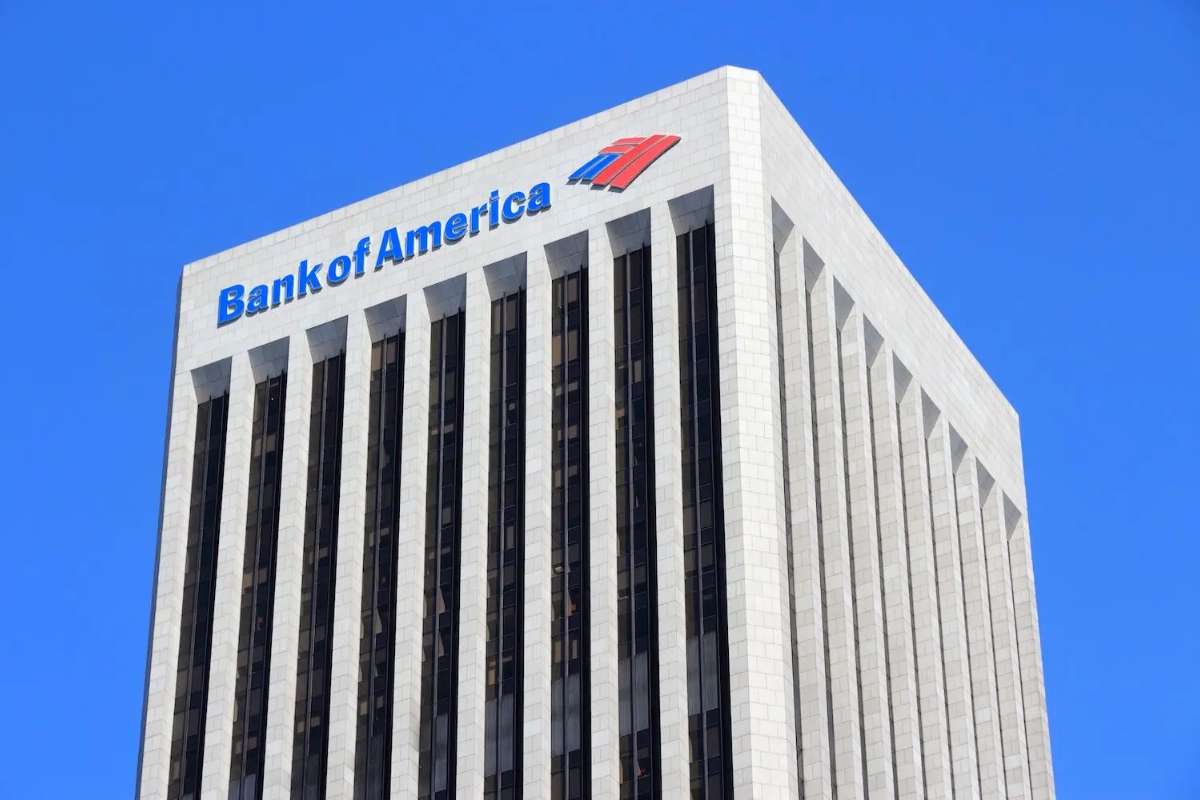
Bank of America Chief Executive Officer Brian Moynihan has cautioned that the U.S. banking system could face a major shift in deposits if stablecoins are allowed to offer interest or yield to holders. According to estimates referenced by the bank, up to $6 trillion in deposits could move from traditional banks into stablecoins under such a regulatory framework.
Speaking during a recent earnings call, Moynihan emphasized that stablecoins paying yield would closely resemble money market funds rather than conventional bank deposits. Unlike banks, which use deposits to provide loans to households and businesses, stablecoin issuers typically invest reserves in short-term government securities. This structural difference, he noted, could significantly reduce the funds available for lending across the economy if deposit outflows accelerate.
Brian Moynihan stressed that a large-scale migration of deposits would force banks to rely more heavily on wholesale funding markets, increasing costs and potentially limiting credit availability. While acknowledging the role of innovation in financial services, he highlighted that such changes could reshape the balance between digital assets and traditional banking in ways that affect financial stability.
Lawmakers Weigh Limits on Stablecoin Yield
The warning comes as U.S. lawmakers debate new legislation aimed at regulating stablecoins and defining their role within the financial system. Draft proposals under consideration seek to restrict “passive” interest payments on stablecoins, effectively preventing issuers from offering yield simply for holding digital tokens.
Under the proposed framework, lawmakers are exploring distinctions between passive interest and activity-based incentives, such as rewards tied to participation in blockchain operations, collateral provision, or liquidity support. Supporters of these limits argue that allowing yield-bearing stablecoins would create bank-like products outside the traditional regulatory perimeter, raising risks to deposit stability and credit markets.
The debate has exposed sharp divisions between established financial institutions and segments of the digital asset industry. Banks argue that stablecoins offering yield could undermine their core funding model, while crypto advocates contend that excessive restrictions could suppress innovation and limit consumer choice. As negotiations continue, the final shape of the legislation remains uncertain.
Broader Implications for Finance and Innovation as Brian Moynihan Warns on Stablecoins
The outcome of the stablecoin yield debate could have far-reaching implications for both traditional finance and the digital asset ecosystem. If yield-bearing stablecoins are restricted, banks may retain their central role in deposit-based lending, preserving existing financial structures. Conversely, more permissive rules could accelerate the integration of blockchain-based assets into everyday financial activity.
Critics of restrictive regulation argue that competition from stablecoins could push banks to modernize, improve efficiency, and offer more attractive products to consumers. They also note that other jurisdictions are experimenting with digital currencies that offer returns, suggesting the global financial landscape is evolving rapidly.
As policymakers seek to strike a balance between innovation and stability, the discussion around stablecoin yields has highlighted by Brian Moynihan as a defining issue. The decisions made in the coming months are likely to shape how digital money, banking, and credit interact in the U.S. financial system for years to come.