Key Points:
- Indonesia Stock Exchange CEO Iman Rachman resigns, citing accountability amid market volatility.
- Leadership transition shifts focus to governance, transparency, and market reforms.
- Investor confidence hinges on the swift appointment of a credible successor.
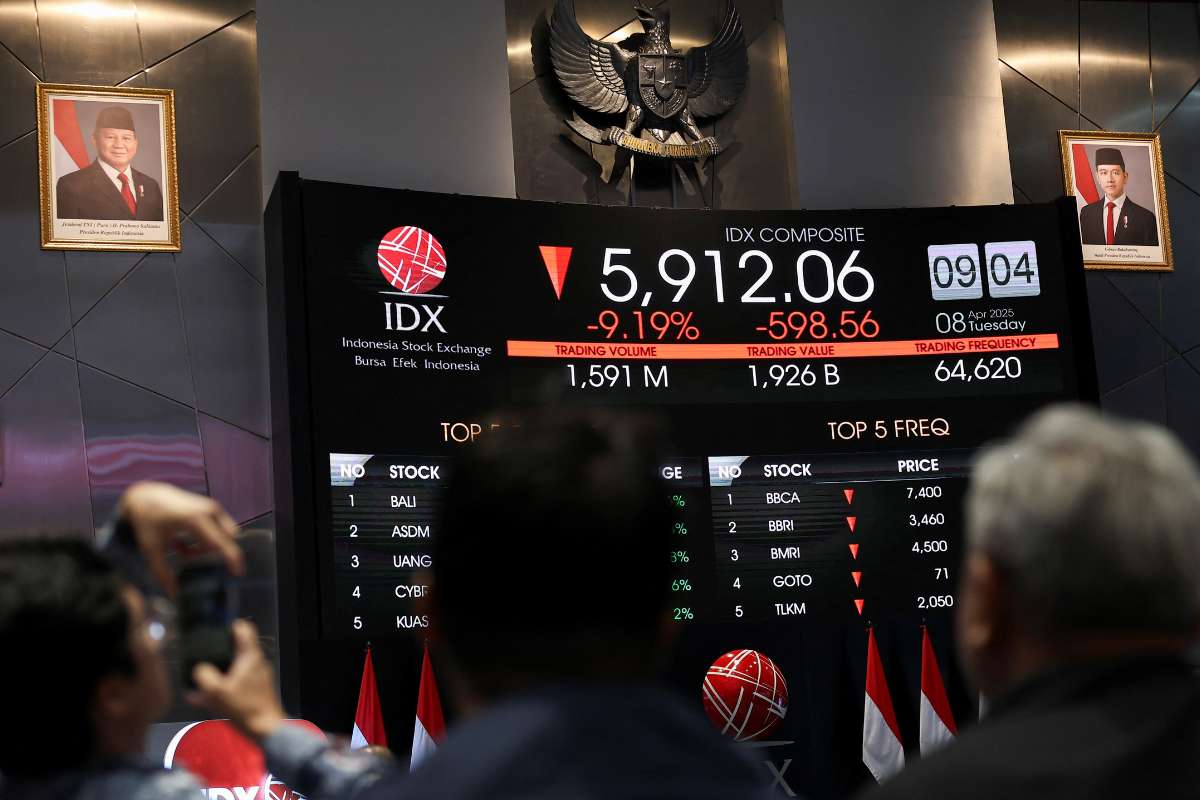
The chief executive officer of the Indonesia Stock Exchange announced his resignation on Friday, marking a leadership change at one of Southeast Asia’s largest capital markets. The decision follows recent market volatility and is being positioned as a step toward restoring confidence and stability within the exchange.
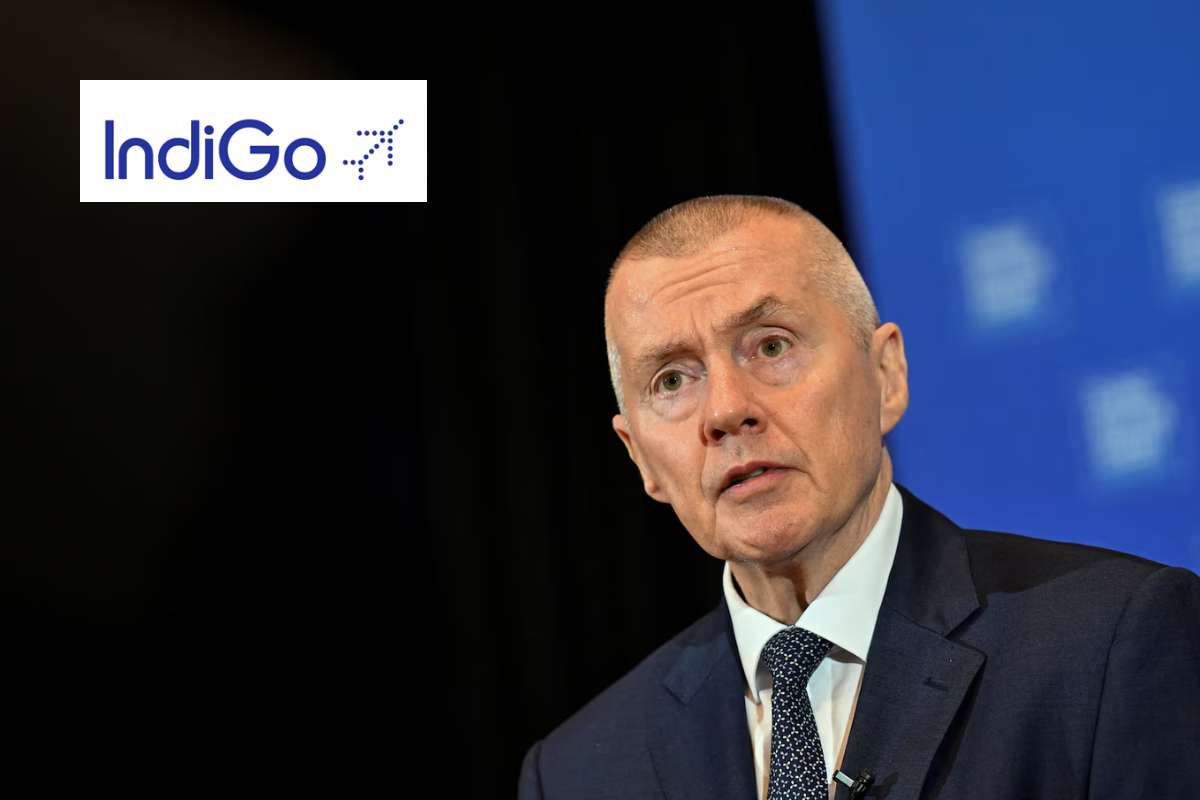
Iman Rachman confirmed his departure during a media briefing, stating that the move was taken as an act of responsibility and in the interest of the broader capital market ecosystem.
Resignation Signals Accountability And Transition
Iman Rachman said his decision to step down was intended to support the long-term health of Indonesia’s capital markets. He noted that leadership accountability plays a critical role during periods of stress and uncertainty, particularly for institutions that serve both domestic and global investors.
An interim official will be appointed to oversee exchange operations until a new president director is selected. The exchange has not yet provided a timeline for the permanent appointment, but officials indicated that continuity of daily operations will be maintained during the transition.
Iman Rachman had held the chief executive role for less than four years. During his tenure, he worked on initiatives aimed at improving market participation and liquidity, including longer trading hours and the introduction of short-selling mechanisms. While these efforts showed mixed results, they reflected an ongoing push to modernize market infrastructure and align practices with international standards.
Market participants and business leaders view the resignation as a significant moment for governance at the exchange. Leadership changes at this level are often seen as an opportunity to reset priorities and reinforce institutional credibility, especially in markets that attract strong foreign investor interest.
Focus Shifts To Governance And Market Standards
The leadership transition comes as exchange officials and regulators continue efforts to strengthen transparency and improve market structure. Recent discussions have centered on increasing the proportion of publicly available shares and improving the clarity of ownership disclosures across listed companies.
Low public share availability has been a long-standing concern among investors, particularly for larger companies with concentrated ownership. Industry observers note that improving access to reliable data and strengthening oversight can help support confidence and long-term participation.
The exchange had already begun engaging with market participants to address these challenges. Planned reforms include adjustments to share availability thresholds and initiatives designed to improve investability across sectors. These measures are expected to continue under interim leadership.
From a business leadership perspective, the resignation highlights the increasing expectations placed on executives who oversee financial infrastructure. Capital markets are no longer evaluated solely on performance metrics, but also on governance quality, transparency, and operational trust.
Investor Confidence And Leadership Continuity
Despite the leadership change, officials emphasized that the exchange remains committed to maintaining orderly markets and supporting investor activity. Benchmark stock indicators showed signs of stabilization following earlier volatility, suggesting that regulatory communication and reform signals have helped calm sentiment.
Global investors continue to monitor how quickly and effectively the exchange appoints a successor. Many view the credibility and experience of the next chief executive as a key factor in shaping perceptions of Indonesia’s market direction.
In recent months, foreign investment flows into Indonesian equities and bonds have shown periods of both withdrawal and return, reflecting shifting risk assessments. Market analysts note that leadership clarity can play a meaningful role in shaping these flows, particularly in emerging economies.
For entrepreneurs and business owners, the episode underscores how leadership decisions at major institutions can influence broader economic confidence. Exchanges serve as gateways for capital formation, and their governance standards directly affect the cost and availability of funding for growing companies.
As Indonesia positions itself for continued economic expansion, the focus now turns to how new leadership at the stock exchange will build on existing reforms. The transition is being closely watched as a test of institutional resilience and the ability to adapt leadership structures in response to evolving market expectations.