Key Points:
- Jensen Huang expects China to soon approve Nvidia’s H200 AI chip exports.
- China has given early approvals, but with conditions to support local semiconductor growth.
- U.S. lawmakers warn of security risks from advanced AI hardware exports to China.
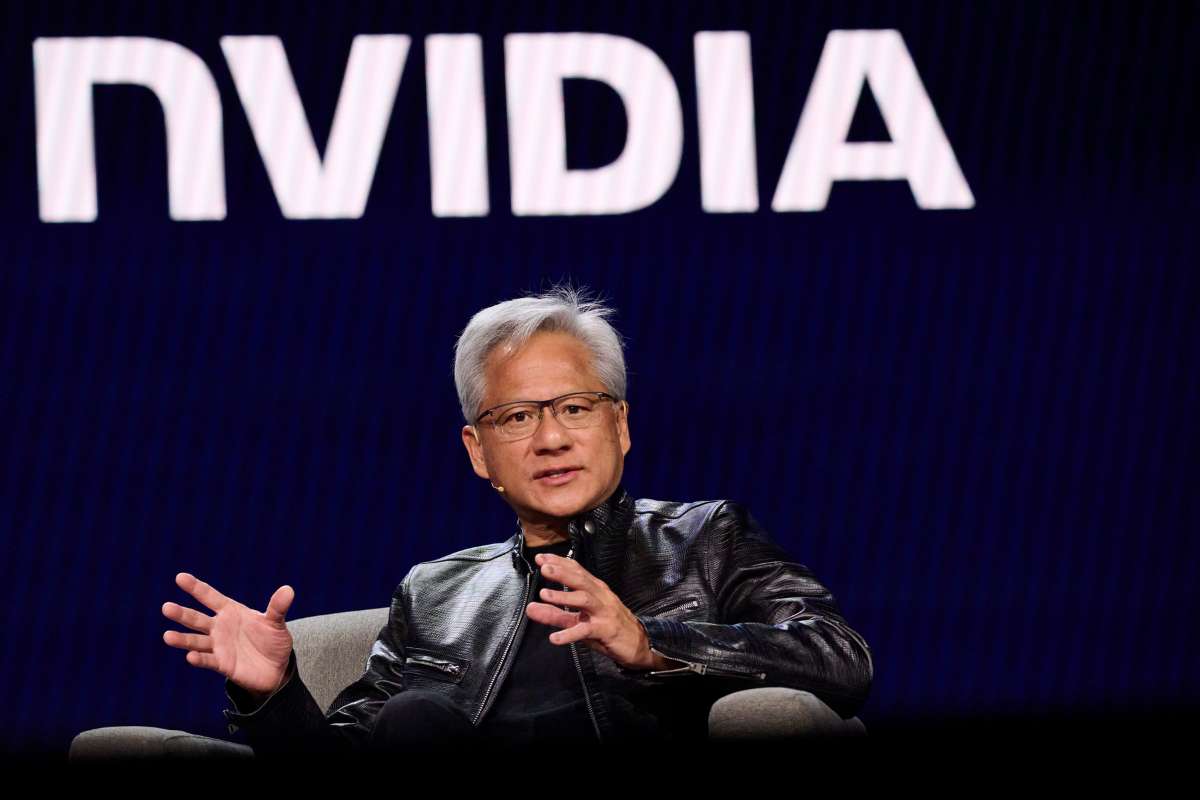
NVIDIA’s Chief Executive Officer, Jensen Huang, has confirmed that the export license for the company’s high-performance H200 artificial intelligence chip is in its final stages of approval in China. Speaking after a recent business trip to the country, Huang emphasized that both the U.S. and Chinese governments are playing crucial roles in the process. He expressed optimism that a favorable decision would allow the H200 chip to enter one of the world’s largest AI markets, highlighting strong interest from Chinese enterprises in leveraging cutting-edge AI technology.
During his visit, Jensen Huang met with customers, partners, and officials to discuss regulatory expectations and commercial opportunities. He stressed the Jensen Huang licence H200 chip importance for Nvidia’s global AI strategy and noted that the licensing process is progressing steadily, though the ultimate decision lies with government regulators. Huang’s remarks indicate a cautious but confident outlook, reflecting Nvidia’s strategic approach to navigating complex international regulations while expanding its AI footprint.
China Grants Initial Approvals Amid Policy Balancing
In a notable development, Chinese authorities have reportedly granted preliminary approvals to selected domestic technology companies to import the first batch of H200 AI chips. This move comes as China seeks to strike a balance between fostering domestic semiconductor development and accessing high-end foreign technology. Several leading Chinese tech firms are among the early recipients, signaling robust demand for Nvidia’s advanced AI chips in commercial sectors.
Despite the initial green light, a number of conditions and limitations remain in place. Import quotas are still being finalized, and some companies have delayed confirming orders while awaiting further guidance. Authorities may also require buyers to purchase a portion of domestic semiconductors alongside imported chips, a policy aimed at nurturing China’s local industry while selectively integrating foreign technology. This careful balancing act reflects the broader strategic considerations at play, as China weighs the benefits of accessing cutting-edge AI technology against the imperative of maintaining technological self-sufficiency.
Security Concerns and Strategic Implications
While Nvidia moves closer to securing the Jensen Huang licence H200 chip for China, the process has sparked concerns over security and strategic risks. Lawmakers in the United States have cautioned that advanced AI hardware exported to China could be used for applications with potential national security implications. Allegations have surfaced that Nvidia-supported AI models were utilized by Chinese firms in ways linked to military or strategic applications, though Nvidia maintains it does not knowingly enable such use.
The licensing process highlights the intersection of technological innovation, global trade, and geopolitics. NVIDIA’s efforts to navigate regulatory frameworks in both the U.S. and China underscore the delicate balance between commercial growth, maintaining technological leadership, and addressing national security concerns. If approved, the H200 license could significantly enhance Nvidia’s revenue prospects and further entrench its position in the global AI chip market, while also shaping the competitive landscape of high-performance AI technology worldwide.
The unfolding developments around the Jensen Huang licence H200 chip serve as a case study in how multinational tech companies operate at the intersection of innovation, regulation, and geopolitics, navigating complex international dynamics to bring advanced technology to market. NVIDIA’s progress with the H200 license underscores the growing global stakes in the AI hardware race and the strategic calculations that come with it.