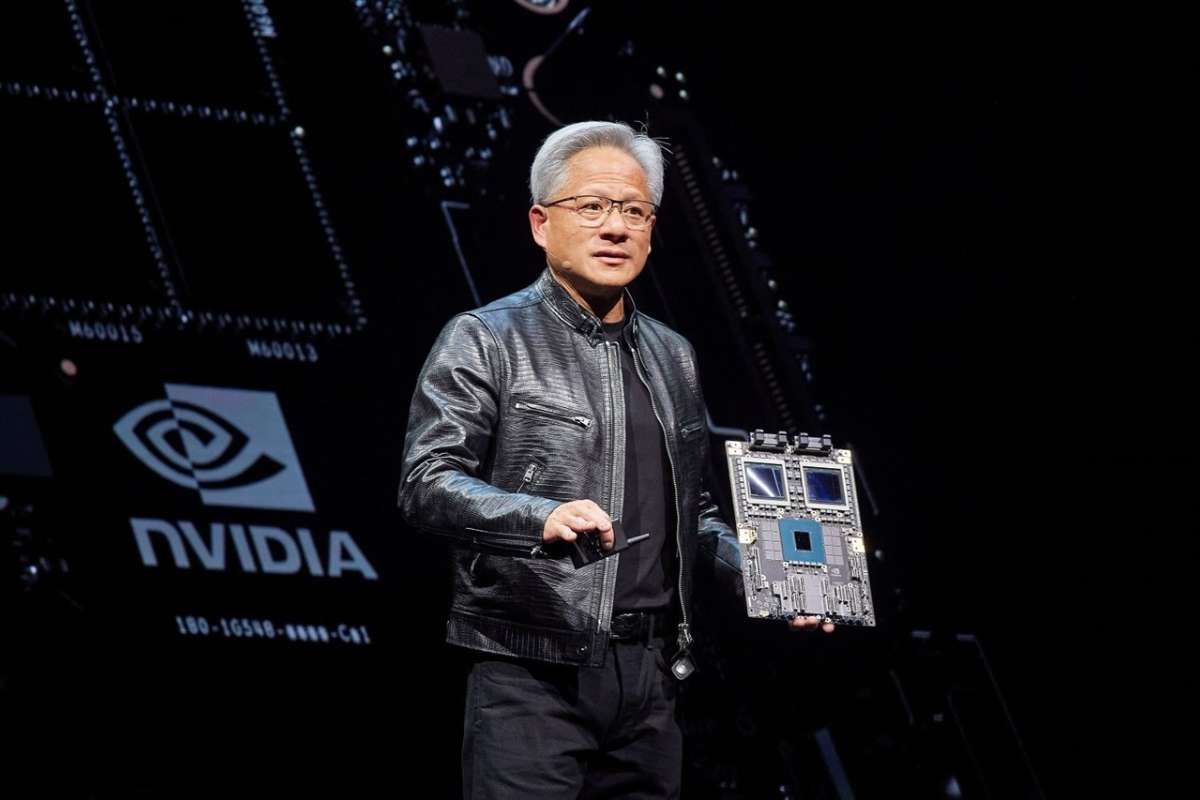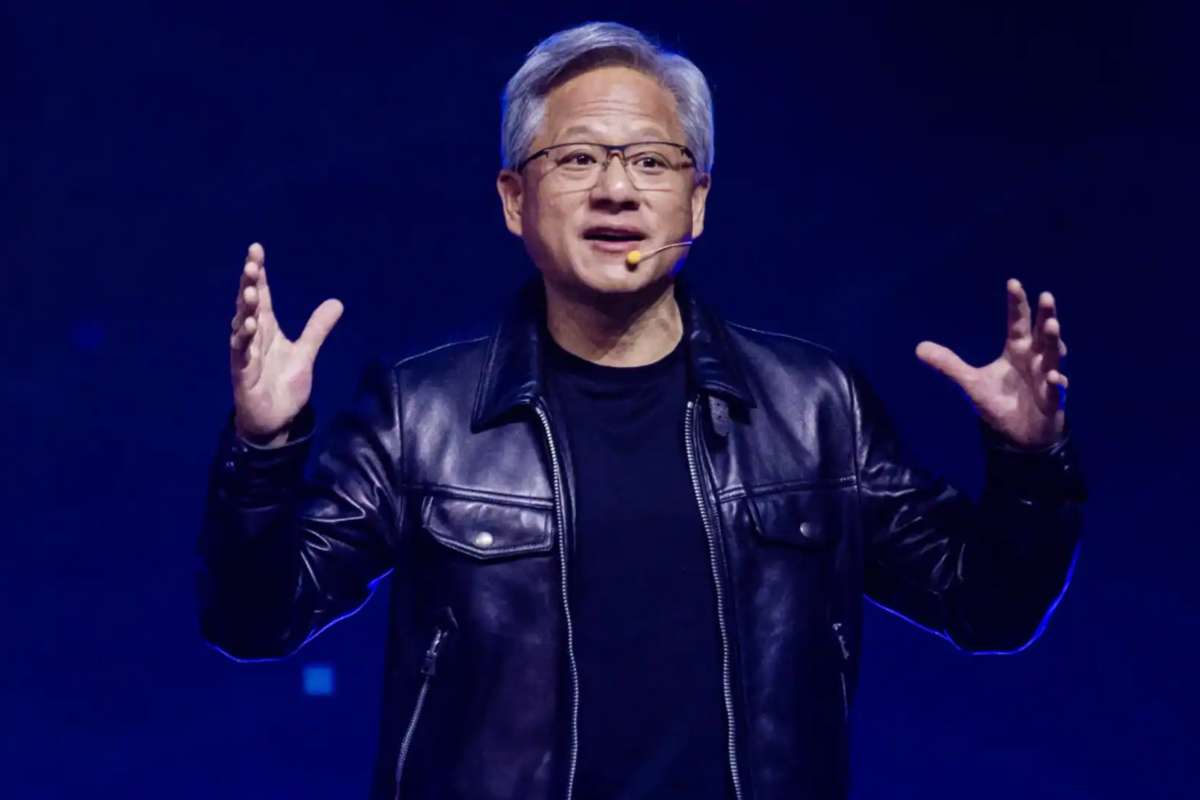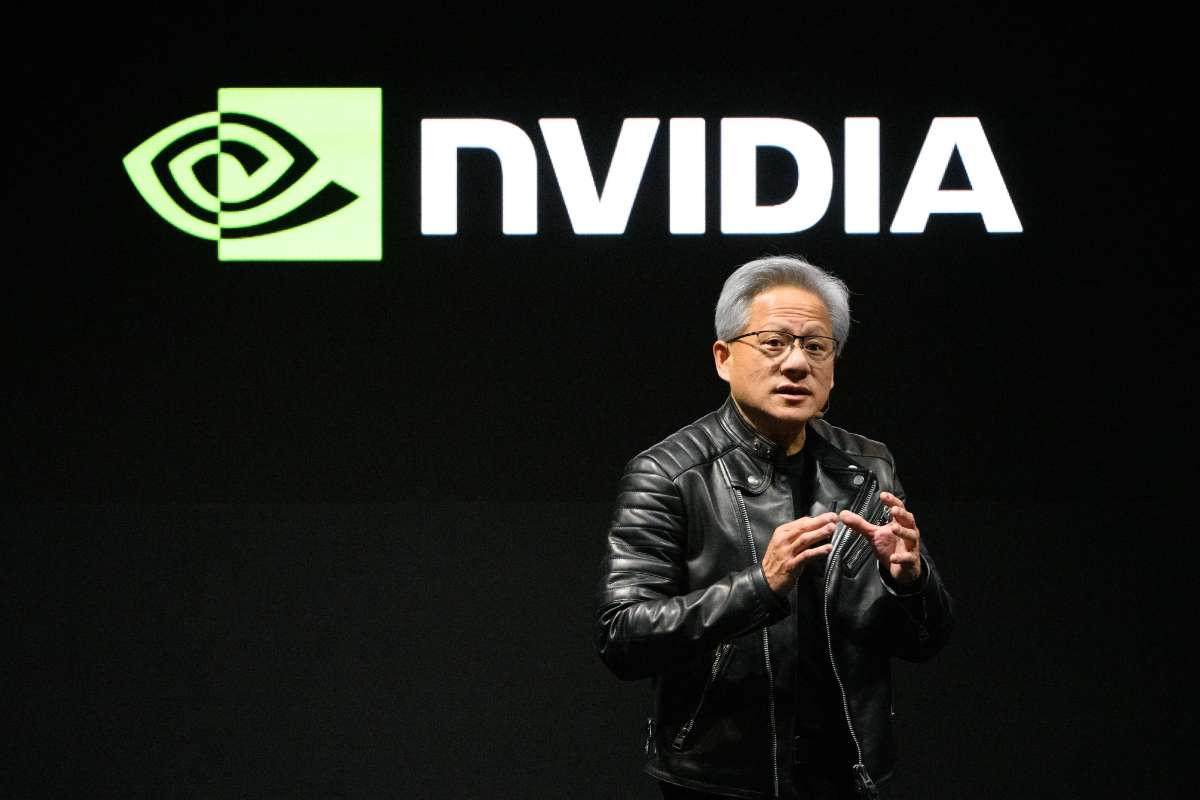
Nvidia CES 2026 featured an upbeat and forward-looking keynote from CEO Jensen Huang, delivering a clear message to investors and the technology industry that the company’s next phase of growth is already taking shape. Speaking in Las Vegas, Huang emphasized artificial intelligence not as a distant concept but as a rapidly scaling reality moving beyond data centers into the physical world. His address at Nvidia CES 2026 highlighted how the company is preparing for this shift through new architectures, platforms, and real-world AI applications.
Huang emphasized that demand for AI computing continues to accelerate across industries, from cloud services and enterprise software to automotive and robotics. He described this moment as a transition from experimental AI to full-scale deployment, where intelligence is embedded directly into machines, vehicles, and industrial systems. This broader vision of “physical AI” formed the backbone of Nvidia’s CES narrative, reinforcing the company’s long-term strategy rather than short-term market reactions.
Vera Rubin Platform Anchors Nvidia’s AI Roadmap
At the center of the announcement was Nvidia’s next-generation AI computing platform, Vera Rubin. Huang confirmed that the architecture is already in production and is expected to begin shipping later this year. Designed specifically for advanced AI workloads, the platform combines new GPUs, CPUs, and high-speed networking technologies to deliver substantial performance and efficiency gains over previous generations.
The Vera Rubin platform is built to support what Nvidia describes as “AI factories,” large-scale systems capable of training and running increasingly complex models. According to Huang, these systems are essential as AI models grow in size and sophistication, demanding faster processing, lower latency, and better energy efficiency. He framed Rubin as a foundational technology that will power everything from large language models to autonomous machines.
In addition to hardware, Nvidia also highlighted its continued investment in software and open AI models. New tools aimed at developers working on autonomous driving and robotics were presented as part of an integrated ecosystem. This approach reflects Nvidia’s strategy of offering end-to-end AI solutions rather than standalone chips, reinforcing its position as a core infrastructure provider for the AI economy.
Investor Outlook and Market Implications
Nvidia CES 2026 delivered clear long-term optimism, though the immediate market response was measured. Investors weighed the significance of the announcements against the company’s strong valuation and the intense competition in the AI hardware space. Analysts emphasized that Nvidia CES 2026 reinforced the company’s leadership while also underscoring the scale of investment required to stay ahead in a rapidly evolving market.
Huang addressed competitive pressures indirectly by stressing Nvidia’s advantage in combining hardware, software, and developer platforms under a single strategy. He argued that this integration is difficult to replicate and will be critical as AI systems move from the digital realm into physical environments such as factories, vehicles, and smart infrastructure.
Nvidia CES 2026 was less about short-term surprises and more about delivering strategic reassurance. By presenting a clear product roadmap and reaffirming its commitment to next-generation AI, Jensen Huang signaled that Nvidia aims to remain at the center of the global AI transformation for years to come.
Visit Visionary CIOs for the latest information.