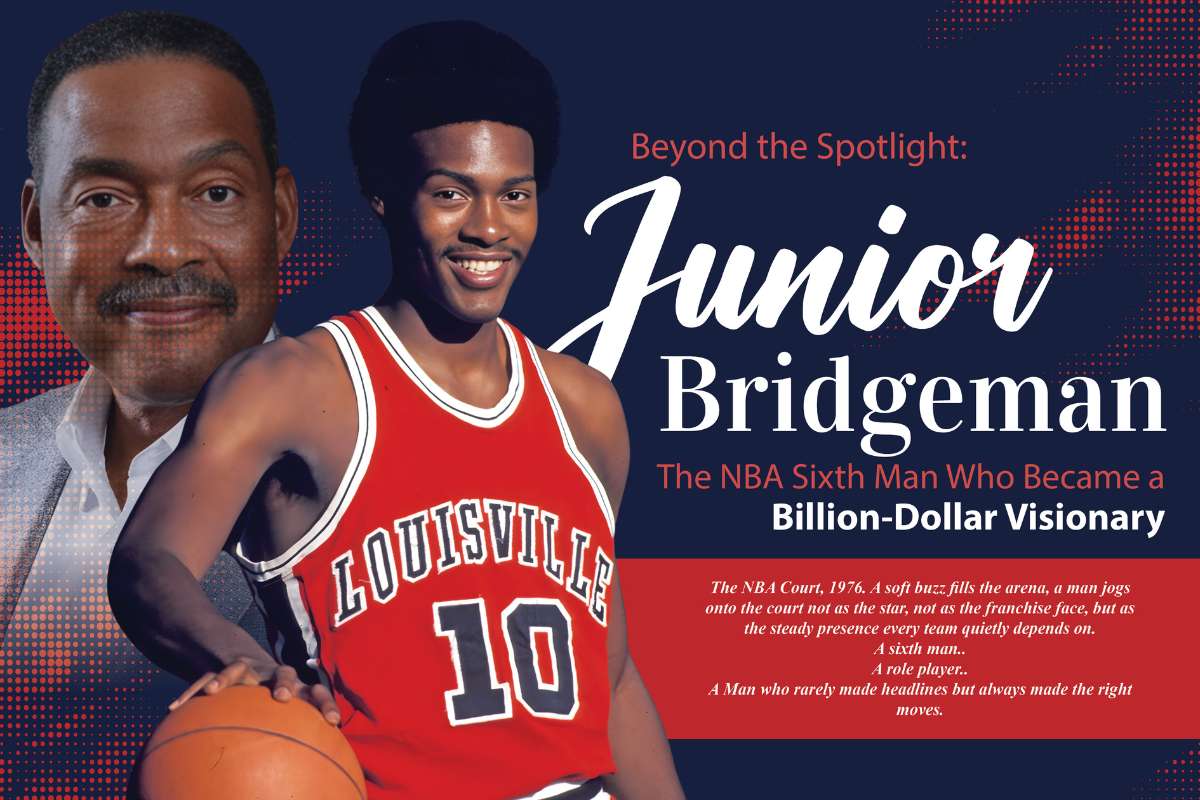
The NBA Court, 1976. A soft buzz fills the arena, a man jogs onto the court not as the star, not as the franchise face, but as the steady presence every team quietly depends on.
A sixth man.
A role player.
A Man who rarely made headlines but always made the right moves.
Most people have never shouted his name from the stands. They don’t remember his jersey number or the nights he quietly scored double figures off the bench. But what if the greatest success story to ever walk through the NBA wasn’t the one who lifted trophies but the one who walked past the spotlight entirely? What if the quiet man warming up in the shadows was secretly studying a different game, one far bigger than basketball?
Junior Bridgeman wasn’t the star the world watched.
He was the mind the world overlooked.
And that’s exactly how he built an empire no superstar ever imagined.
The Player Who Never Needed the Spotlight
Junior Bridgeman entered the NBA in the mid-1970s, not as a superstar, not as a prodigy destined to carry a franchise, but as a steady presence whose strength lay in reliability. He wasn’t the player commanding newspaper headlines or lighting up the scoreboard with dramatic game-winners. Instead, he played a role many undervalued, yet every successful team depends on: the sixth man.
From the first time he stepped onto an NBA court, Bridgeman showed an unusual calm. He played with discipline, intelligence, and a profound understanding of team dynamics. While crowds cheered for the high flyers and three-point assassins, he performed his role with quiet excellence, never flashy, always dependable. But what the world didn’t see was that behind the calm exterior was a man studying deeply. While others studied opponents, he studied systems. While others focused on statistics, he focused on structure. Even then, he wasn’t just thinking about basketball; he was thinking about life after basketball long before most athletes even considered what that meant.
Bridgeman’s time in the NBA wasn’t marked by superstardom, but it was marked by something even more rare: foresight. He knew that an athlete’s career was temporary. He knew the spotlight faded. And even as he hustled up and down the court, he was preparing for something bigger, a second act that would one day redefine what athletic success truly looks like.
The Spark That Changed Everything
The turning point of his life didn’t arrive with applause or recognition. It arrived in the quiet of a locker room. One day, after practice, Junior Bridgeman opened a simple brown envelope not containing a major endorsement deal or a league bonus, but a paycheck from Wendy’s.
Yes, an NBA player had taken an off-season job at a fast-food restaurant.
Why? Curiosity.
Bridgeman wasn’t there for money; he went there to understand how businesses work from the ground level. While most athletes used their off-season to rest, travel, or train, he used his to learn. He observed how inventory moved, how managers handled rush hours, how customer service influenced sales, and how employees responded to leadership.
He watched every detail with the same attention he once gave to defensive schemes. He asked questions about revenue patterns, supply chains, operational challenges, and franchising structures. At a time when athlete-business crossovers were almost unheard of, Bridgeman was quietly building a foundation of knowledge. That small paycheck from Wendy’s was symbolic; it represented the first step of a billion-dollar mindset.
That experience didn’t give him money; it gave him clarity. And clarity, for Junior Bridgeman, became the compass that guided the next chapter of his life.
Quick Facts at a Glance
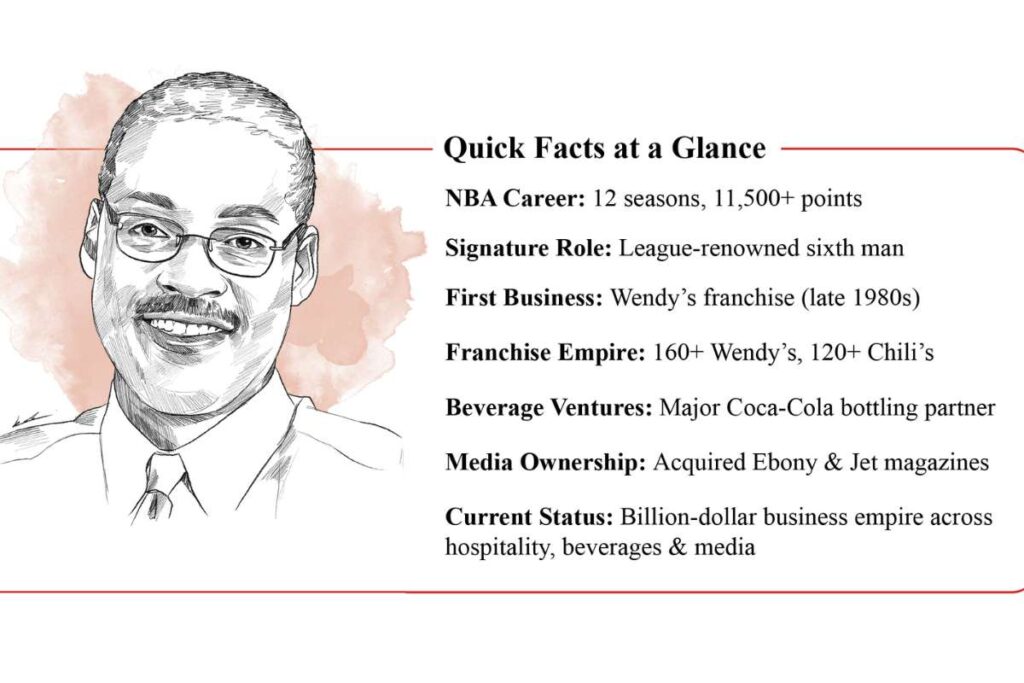
- NBA Career: 12 seasons, 11,500+ points
- Signature Role: League-renowned sixth man
- First Business: Wendy’s franchise (late 1980s)
- Franchise Empire: 160+ Wendy’s, 120+ Chili’s
- Beverage Ventures: Major Coca-Cola bottling partner
- Media Ownership: Acquired Ebony & Jet magazines
- Current Status: Billion-dollar business empire across hospitality, beverages & media
The First Franchise
When Bridgeman purchased his first Wendy’s store, he didn’t treat it as a vanity project or a retirement experiment. He treated it like a calling. People mocked the move. A professional basketball player flipping burgers? It didn’t look glamorous. Many thought it was beneath someone of his stature. But Bridgeman didn’t care about how it looked; he cared about how it worked.
He went into the store regularly. He trained employees personally. He cleaned floors, arranged deliveries, talked to customers, and learned hands-on what made a franchise healthy. He studied cost control like a veteran coach studies game tape. He treated every difficulty as a business lesson, not a setback.
This approach became his trademark. Junior didn’t inherit wealth. He didn’t rely on celebrity. He did the work.
And because of that, the business didn’t just succeed, it thrived. His store quickly became a model for operational excellence. Bridgeman proved that understanding people, respecting work, and embracing humility were far more powerful than fame.
The Rapid Rise: Building an Empire, One Store at a Time
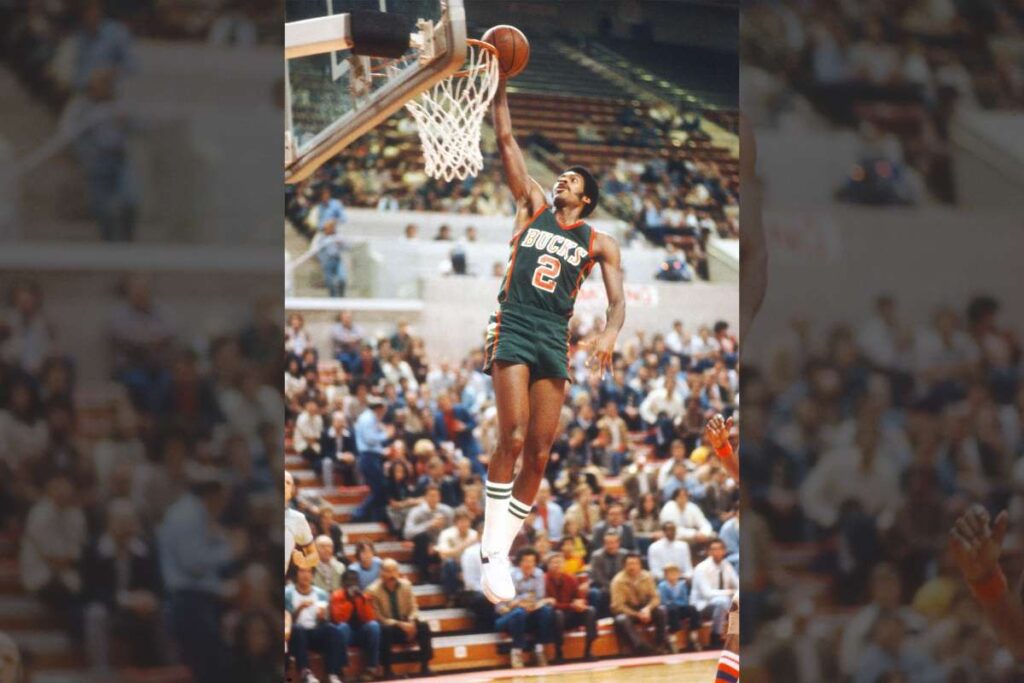
Once the first store gained traction, Bridgeman was ready for his next move. He saw scalability in franchising, and he understood something most athletes never even consider: predictable income beats flashy income.
So he multiplied.
One franchise turned into three.
Three turned into ten.
Ten turned into dozens.
Soon, Junior Bridgeman owned more than 450+ Wendy’s and Chilli’s franchises across the United States. Each location reflected his leadership philosophy built on teamwork, respect, discipline, and performance. These were not just restaurants; they were ecosystems of opportunity. Employees stayed longer, communities grew stronger, and Bridgeman’s operations became known for their efficiency and excellence.
His empire expanded beyond the boundaries of traditional entrepreneurship. He created thousands of jobs, injected value into local economies, and proved that athletes could excel in business long before it became a trend. Bridgeman wasn’t just a businessman; he was a builder of systems and a cultivator of people.
The Boldest Move: Becoming a Coca-Cola Powerhouse
After years of dominating the franchise world, Bridgeman made a decision that shocked many: he sold his entire restaurant empire. The reason? He had his eyes on a much larger field of play, becoming one of the most influential independent Coca-Cola bottlers in the world.
This wasn’t just a business expansion; it was a strategic leap. Bottling and distribution required a different skillset, different teams, and different knowledge. But just like he did with Wendy’s, he studied it, mastered it, and then scaled it.
Bridgeman’s Coca-Cola operations grew rapidly, and his influence expanded into new regions, new markets, and new partnerships. Within a short span, he became one of the most significant figures in beverage bottling, a feat achieved not through luck but through vision, patience, and disciplined execution. The sixth man of the NBA had now become the franchise player of global business.
Beyond Business: The Legacy of a Quiet Leader
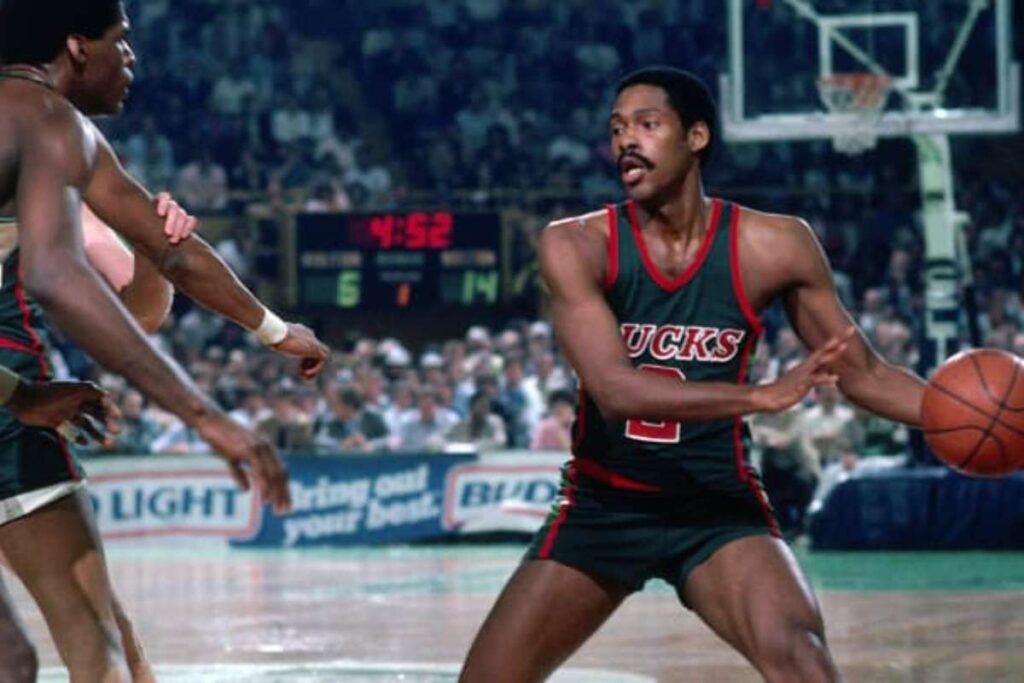
Success for Bridgeman has never been solely about personal wealth. Throughout his journey, he remained grounded in community and connection. He believes that businesses thrive when people thrive. His companies didn’t just employ people; they supported them, mentored them, and provided pathways for growth. His leadership style wasn’t loud or authoritarian; it was empathetic, consistent, and deeply human.
He invested in education, local programs, and community development. He supported young entrepreneurs, student athletes, and underrepresented groups. In every arena he entered, sports, franchising, bottling, philanthropy, Junior Bridgeman carried one defining belief: success means nothing if it doesn’t create value for others.
His story stands in contrast to the usual narratives about athletes or businessmen. He didn’t chase fame. He didn’t pursue luxury. Instead, he chased understanding, and that understanding shaped a legacy far richer than any trophy.
The Man Who Rewrote the Athlete-to-Entrepreneur Story
Today, when the world talks about athlete entrepreneurs, names like LeBron James, Michael Jordan, and Shaquille O’Neal often dominate the spotlight. But long before this movement became mainstream, Junior Bridgeman had already built the blueprint quietly, steadily, and flawlessly.
Without championship rings, without MVP titles, without media hype, he built an empire that outlasted his playing career and outperformed expectations. He became proof that brilliance doesn’t always shout; sometimes, it whispers. And sometimes, the quietest man in the room is the one making the biggest moves.
- Junior Bridgeman didn’t just win in business.
- He redefined what winning looks like.
- He didn’t just build wealth.
- He built an opportunity.
- He didn’t just live a second career.
- He created a legacy.
His story is a reminder that you don’t have to be the star to become iconic. You simply need vision, discipline, humility, and the courage to learn when no one is watching.
Junior Bridgeman outsmarted the game on the court and far beyond it.