Key Points:
- Warner Bros. Discovery board likely to reject Paramount’s $108B takeover bid
- Netflix agreement seen as more stable and strategically aligned
- Industry signals that deal certainty outweighs headline cash offers
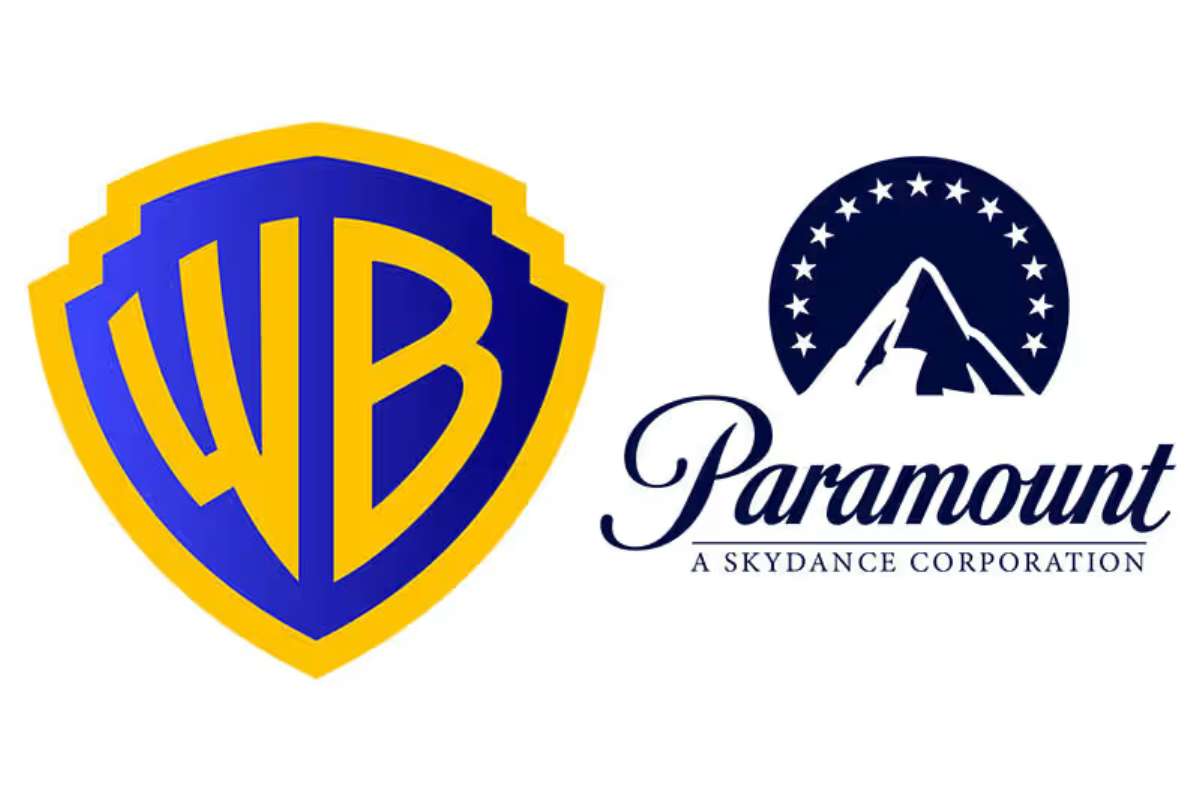
Warner Bros. Discovery is heading into a decisive board meeting next week as it prepares to evaluate a renewed takeover proposal from Paramount Skydance. The offer, which values the media giant at roughly $108 billion through an all-cash bid of $30 per share, represents Paramount’s latest attempt to secure one of Hollywood’s most valuable content libraries. Despite revisions aimed at improving credibility and financing assurances, expectations within the company suggest the board is unlikely to reverse its earlier stance.
Executives and directors remain cautious, viewing the proposal as insufficiently addressing long-standing concerns around deal certainty, execution risk, and long-term strategic alignment. Paramount’s bid, while headline-grabbing in size, comes after months of negotiations and public maneuvering that have left Warner Bros. Discovery wary of committing to a transaction that could introduce instability during a critical transformation period for the company.
Why the Netflix Agreement Remains the Preferred Path?
At the center of the board’s deliberations is Warner Bros. Discovery’s existing agreement with Netflix, which leadership continues to view as the stronger and more predictable option. Unlike Paramount’s full takeover approach, the Netflix deal focuses on Warner’s core film, television, and streaming assets, including HBO Max, while allowing the company to separate its legacy cable networks into a standalone entity.
Directors believe this structure offers clearer financing, fewer contingencies, and a smoother regulatory path. While Paramount’s proposal carries a higher cash valuation on paper, Warner Bros. Discovery’s board has repeatedly emphasized that certainty and strategic clarity outweigh raw price. The Netflix transaction is seen as better aligned with the company’s long-term vision of strengthening premium content and streaming operations while managing debt more effectively.
Another key issue remains the potential cost of abandoning the Netflix agreement. Any reversal would trigger a substantial breakup fee, adding financial complexity to Paramount’s proposal. Board members are reportedly unconvinced that Paramount’s current terms fully neutralize this risk or provide enough incremental value to justify reopening negotiations.
Industry Stakes and What Comes Next
Paramount Skydance, backed by leadership and significant private financial support, continues to argue that its offer delivers superior value for shareholders and a compelling industrial logic. The company has taken its case directly to investors, framing the bid as a rare opportunity to consolidate assets and scale content operations in an increasingly competitive streaming market.
If Warner Bros. Discovery formally rejects the revised offer, the decision would reinforce a broader industry message: in today’s media landscape, deal certainty and strategic fit can outweigh even the largest cash bids. It would also highlight the limits of aggressive takeover tactics in an era where boards are under heightened scrutiny to balance shareholder returns with long-term resilience.
For now, all eyes remain on the upcoming board meeting. While Paramount Skydance has not ruled out further moves, Warner Bros. Discovery has signaled that only a materially improved proposal would prompt reconsideration. Until then, the company appears poised to stay the course with its current strategy, underscoring a cautious but deliberate approach to reshaping its future in a rapidly evolving entertainment industry.
Visit Visionary CIOs Magazine for the latest information.