You walk into your kitchen feeling proud. Fresh groceries. Clean pans. Big plans to eat better. Then you stop. You stare at the oil bottle. Sunflower. Soybean. Canola. Suddenly, a tiny voice in your head whispers, “Is this good for me… or not?”
Welcome to the world of food confusion. One day, seed oils are pantry heroes. The next day, they are blamed for everything from low energy to bad moods. It feels like your cooking oil has joined a reality show full of drama, opinions, and loud arguments.
This article breaks that chaos into calm clarity. No fear. No food shaming. Just honest facts explained like a friend talking across the table. By the end, the pros and cons of seed oils will feel much easier to understand, and your oil bottle will stop judging you from the shelf.
Understanding the Pros & Cons of Seed Oils
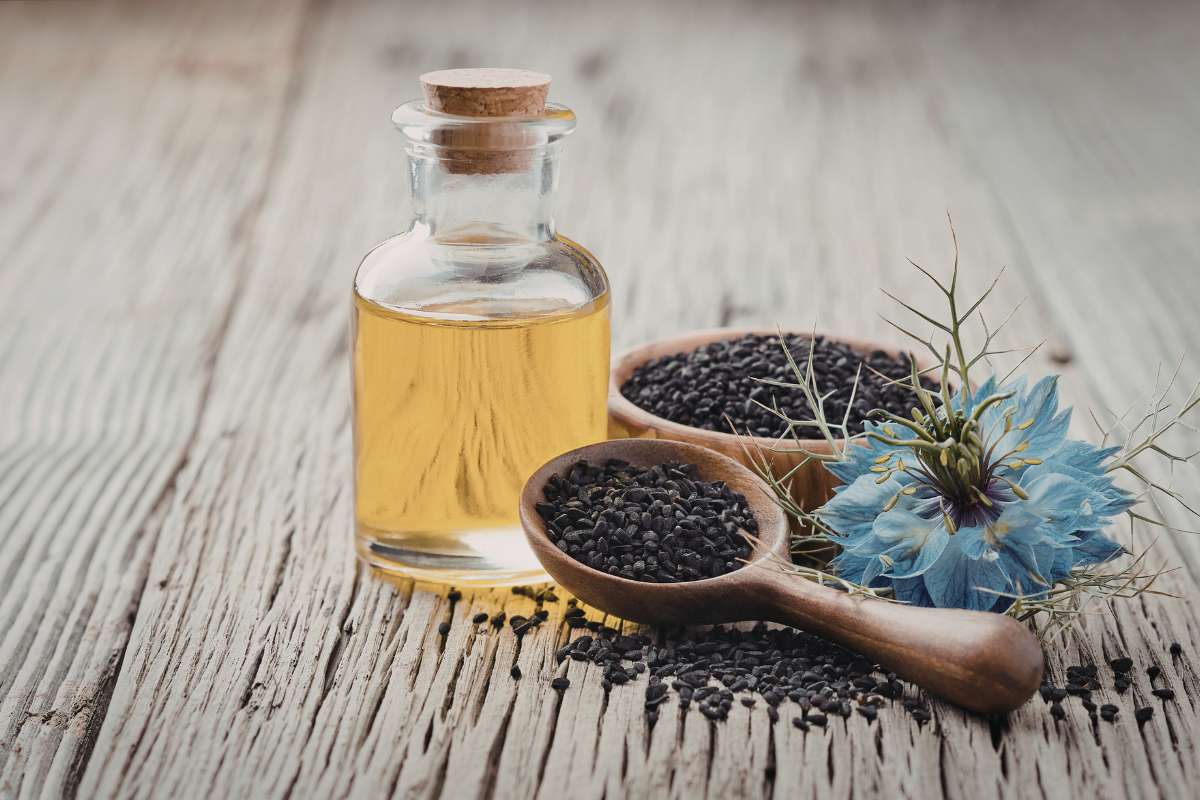
Seed oils come from plant seeds like sunflower, soybean, corn, cottonseed, safflower, and canola. Food makers love them. Restaurants rely on them. Homes use them daily.
The debate around the Pros & Cons of seed oils exists because these oils sit at the center of modern diets. They are affordable and versatile, but they also raise questions about long-term health when eaten in excess.
Let’s look at both sides clearly and calmly.
Pros and Cons of Seed Oils
| Pros | Cons |
| Low cost | Heavy processing |
| Good for high-heat cooking | Too much omega-6 |
| Mild taste | Easy to overeat |
| Provides essential fats | Breaks down when overheated |
| Long shelf life | May raise inflammation |
The Pros of Seed Oils
When people talk about the Pros & Cons of seed oils, the good side often gets ignored. Seed oils are popular for a reason. They solve many everyday cooking problems, especially for busy homes and large families.
➣ Affordable and Accessible: Seed oils cost less than many traditional fats like butter, ghee, or extra-virgin olive oil. Because they are cheaper, people can cook daily meals without worrying about high costs. This makes seed oils a practical choice for millions of households across the world.
➣ High Smoke Point: Many seed oils can handle high heat without burning quickly. This makes them useful for frying, roasting, and fast cooking. When oil burns, food tastes bitter, and unhealthy compounds may form. Seed oils reduce this risk during high-temperature cooking.
➣ Neutral Taste: Seed oils have a mild flavor. They do not change the taste of food. This makes them perfect for everyday dishes, baking, sauces, and salad dressings where you want the main ingredients to shine.
➣ Source of Essential Fats: Seed oils contain omega-6 fatty acids. These fats help the body in many ways. They support healthy skin, help hormones work properly, and play a role in building strong cell walls. When eaten in balanced amounts, omega-6 fats are important for normal body function.
➣ Long Shelf Life: Seed oils last longer than many natural fats. They do not spoil quickly and stay stable on kitchen shelves. This reduces food waste and makes storage easier, especially in warm climates or busy homes.
The Cons of Seed Oils
The Pros & Cons of seed oils debate becomes intense when the downsides enter the picture. These concerns mostly come from how seed oils are made and how often they are used in modern diets.
➣ Heavy Processing: Most seed oils go through industrial processing. This process often uses high heat and chemical solvents. While it helps produce oil in large amounts, it can lower the natural nutrients found in the original seeds.
➣ Omega-6 Overload: Modern diets already contain a lot of omega-6 fats from packaged and restaurant foods. When omega-6 intake stays high and omega-3 intake stays low, the body’s fat balance suffers. This imbalance may affect overall health over time.
➣ Easy to Overconsume: Seed oils are hidden in many foods like chips, biscuits, fast food, and ready-to-eat meals. People often consume large amounts without realizing it. This silent overuse is one of the biggest concerns linked to seed oils.
➣ Oxidation Risk: When seed oils are reused or heated too much, they can break down. This breakdown creates harmful compounds that are not good for the body. Reusing oil multiple times increases this risk.
➣ Inflammation Concerns: Some studies link very high omega-6 intake to increased inflammation, especially in diets low in variety. Inflammation can affect long-term health when poor eating habits continue.
Seed Oils vs Traditional Fats
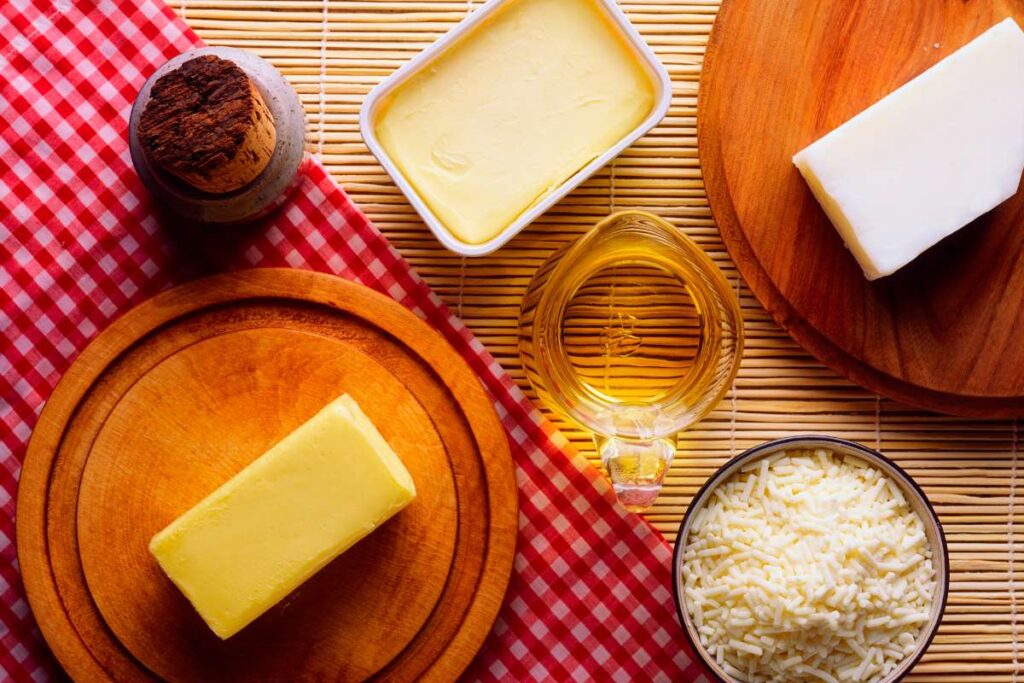
The Pros and Cons of seed oils make more sense when compared to older cooking fats.
Traditional fats like ghee, butter, olive oil, and coconut oil undergo less processing. Many also offer antioxidants or stable fat structures. However, they cost more and may not suit all cooking styles.
Seed oils work best as occasional helpers, not daily heroes.
What Science Actually Says?
Balanced research does not label seed oils as villains or saviors. The Pros and Cons of seed oils depend on quantity, quality, and overall diet.
Facts:
- Seed oils are high in omega-6 linoleic acid.
- Excess omega-6 without omega-3 balance may promote inflammation.
- Cold-pressed and minimally refined oils retain more nutrients.
These sources agree on one thing. Moderation beats extremes every time.
How to Use Seed Oils Wisely?
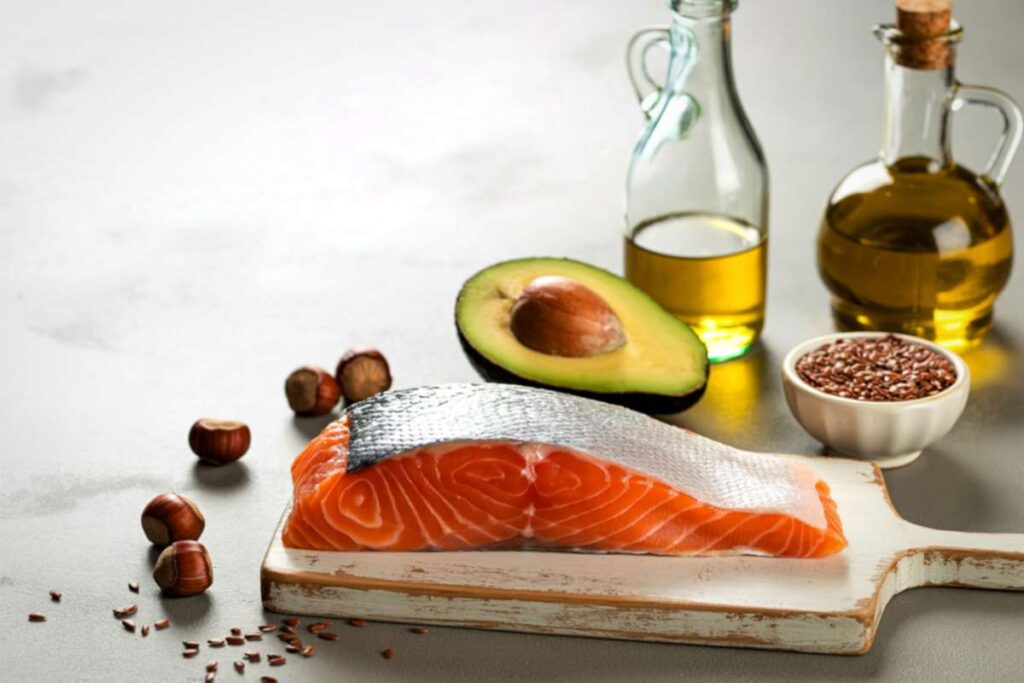
Understanding the Pros and Cons of seed oils helps you make smarter choices without stress.
- Rotate cooking oils instead of using one daily
- Choose cold-pressed or expeller-pressed versions
- Avoid reheating oil multiple times
- Balance meals with omega-3 sources like fish, flaxseed, and walnuts
- Reduce packaged and deep-fried foods
Food works best when variety leads the way.
Also Read: The Benefits of Seed Oils You’ll Want to Know Before Your Next Meal Plan
Conclusion
Remember that confused moment in your kitchen at the start?
That moment matters. It shows awareness. And awareness beats fear every single time.
The Pros and Cons of seed oils do not demand panic or perfection. They ask for balance, common sense, and better habits. Seed oils can exist in your kitchen without taking over your plate.
Eat thoughtfully. Cook happily. And never let an oil bottle steal your peace again.