Key Points:
- OpenAI has entered a formal partnership with the U.S. Department of Defense to deploy its AI models in classified military networks.
- Sam Altman emphasized that the agreement includes strict guardrails, prohibiting autonomous weapons and domestic mass surveillance.
- The deal has sparked ethical debate, highlighting tensions between innovation, national security, and responsible AI governance.
Artificial intelligence leader OpenAI has entered into a formal agreement with the United States Department of Defense, allowing its advanced AI models to be deployed within classified military networks. The move marks one of the most significant collaborations yet between a leading private AI developer and the U.S. government’s defense establishment.
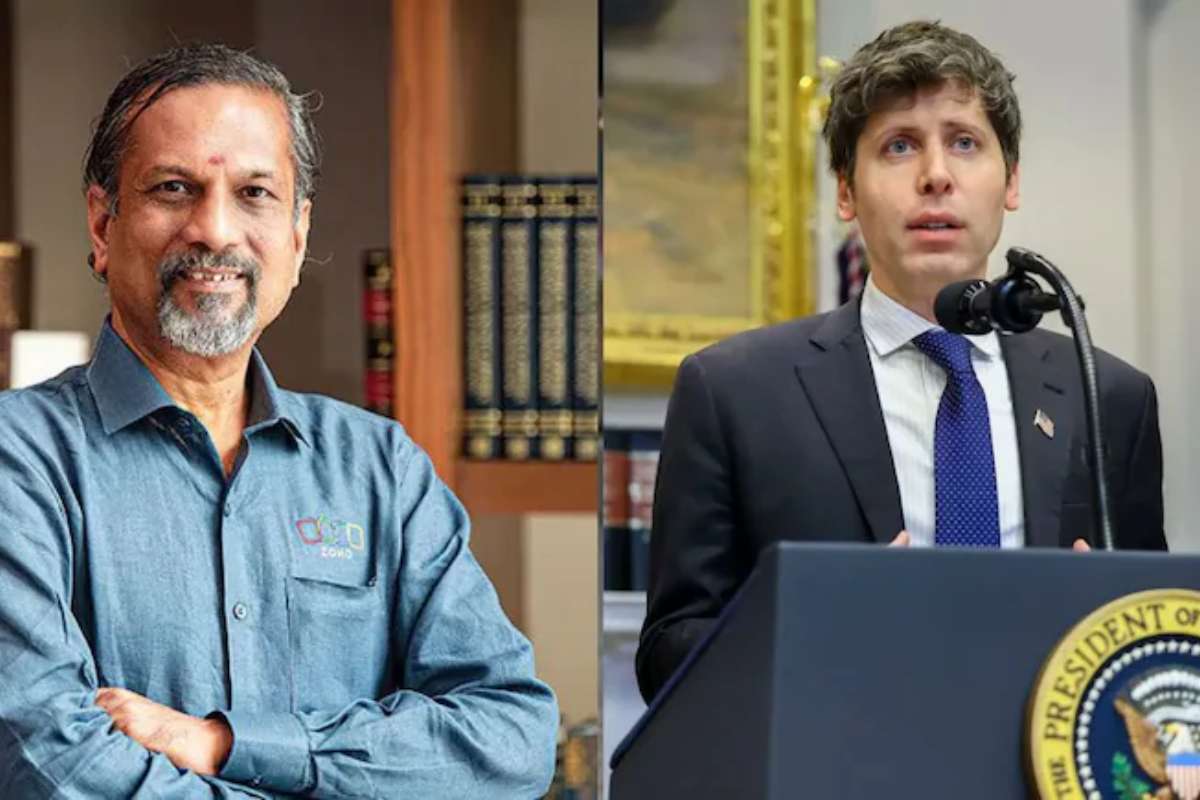
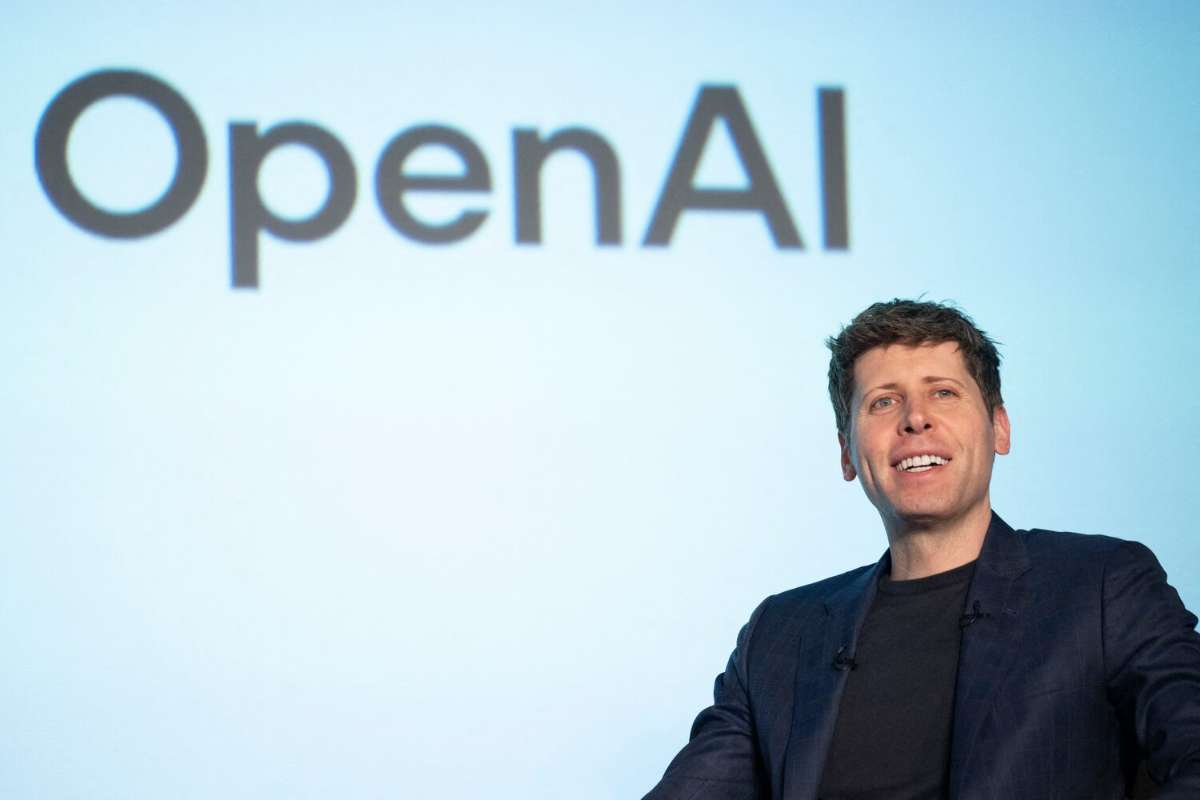
CEO Sam Altman addressed public concerns shortly after the announcement, emphasizing that the partnership aligns with the company’s broader mission to ensure that artificial intelligence benefits society while operating under strict safety guardrails. He clarified that the agreement explicitly prohibits the use of OpenAI’s systems for domestic mass surveillance or fully autonomous weapons. According to CEO Sam Altman, human oversight will remain central in any context involving military force or critical decision-making.
The deployment will enable defense personnel to integrate OpenAI’s language and analytical models into secure environments to support logistics, cybersecurity, and data analysis. While financial details of the contract were not disclosed, industry analysts suggest the deal signals a broader shift in how the U.S. government is incorporating AI capabilities into national security strategy.
Controversy and Industry Tensions Surface
The agreement has sparked intense discussion across Silicon Valley and beyond. Some technology experts have questioned whether AI safeguards can be fully enforced once systems operate within classified defense frameworks. Critics argue that while written prohibitions exist, monitoring real-world application in sensitive military settings could prove complex.
The announcement also comes amid a wider reshuffling of AI partnerships within the federal government. Another prominent AI startup, Anthropic, reportedly faced scrutiny over its stricter ethical positioning, fueling speculation about competitive dynamics in Washington’s rapidly evolving AI landscape. Observers have noted that government agencies appear to be balancing innovation, national security priorities, and corporate compliance standards as they evaluate private-sector AI providers.
Public reaction has been divided. Supporters contend that collaboration between leading AI firms and defense institutions is inevitable and necessary, particularly as geopolitical competition intensifies. They argue that American companies participating in national security projects ensure that democratic oversight and domestic regulation remain part of AI’s development trajectory.
However, some users voiced frustration online, expressing concern that closer military ties could undermine earlier commitments to cautious and transparent AI deployment. The debate highlights the broader societal question of how emerging technologies should intersect with defense operations.
Balancing Innovation and Responsibility
CEO Sam Altman has maintained that the company retains control over key safety mechanisms and deployment conditions under the new agreement. He suggested that participating directly allows OpenAI to enforce its guardrails more effectively than if the technology were adapted without its involvement. According to leadership statements, trained engineers and compliance systems will oversee usage within authorized parameters.
The deal reflects a growing recognition that artificial intelligence is no longer confined to consumer applications or enterprise productivity tools. As global powers race to develop advanced AI capabilities, defense agencies increasingly view the technology as essential infrastructure. Analysts say the partnership underscores how AI has become a strategic asset comparable to cybersecurity or space technology.
At the same time, policymakers continue to grapple with regulatory frameworks governing military AI use. Lawmakers and ethics researchers have called for clearer oversight standards to ensure accountability, transparency, and alignment with international norms.
For OpenAI, the Pentagon partnership represents both opportunity and scrutiny. The agreement positions the company at the forefront of government AI integration while intensifying examination of its ethical commitments. As artificial intelligence becomes further embedded in national defense systems, the outcome of this collaboration may shape not only the company’s future but also the broader trajectory of AI governance in the United States.