Key Takeaways:
- Reports emerged that Elon Musk has discussed a potential merger between Tesla and SpaceX.
- The combined technology could achieve an unprecedented $3.35 to $3.6 trillion valuation.
- A post-IPO deal would give Musk tighter governance control by using SpaceX’s super-voting shares.
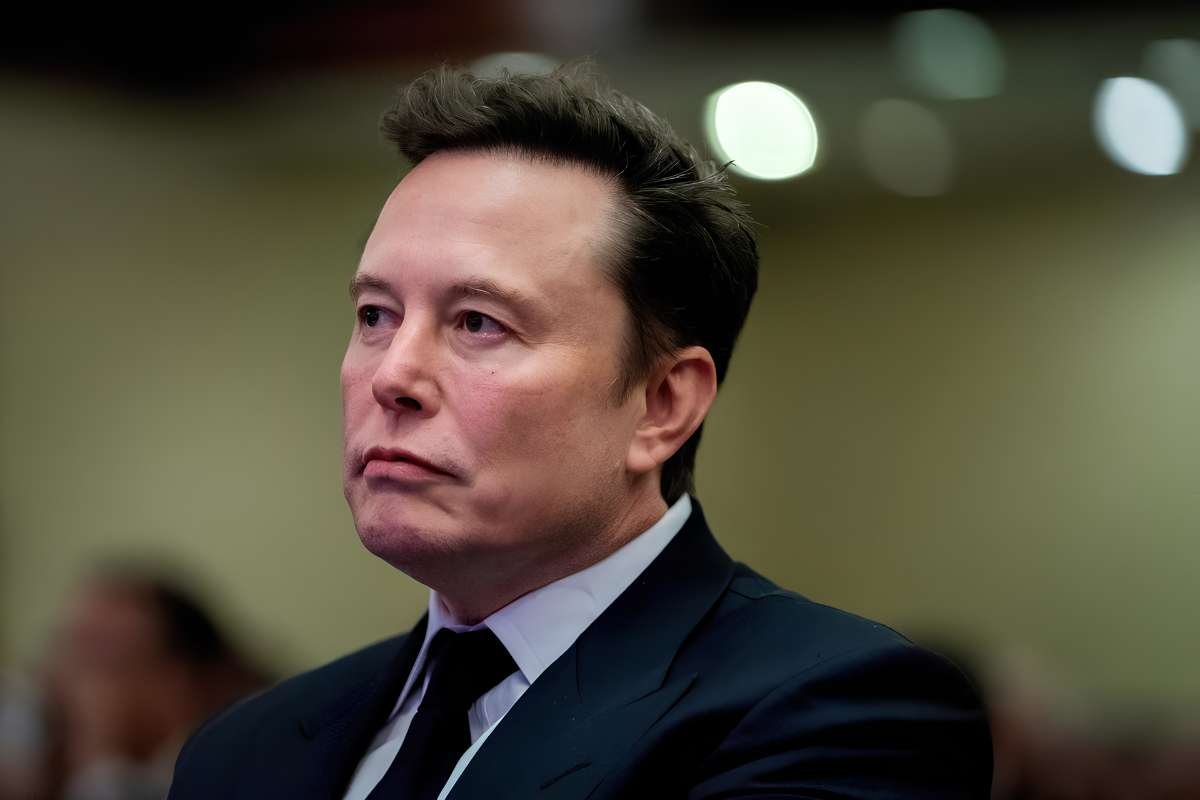
Elon Musk has discussed a possible merger between SpaceX and Tesla with close associates as SpaceX prepares for a Nasdaq debut, fueling investor speculation over the creation of a multitrillion-dollar technology conglomerate.
SpaceX IPO Fuels Fresh Merger Speculation
Reports of merger discussions intensified this week after details emerged that Musk recently raised the idea with colleagues and Tesla employees. The talks come as SpaceX’s IPO moves toward what analysts expect could become the largest initial public offering in market history.
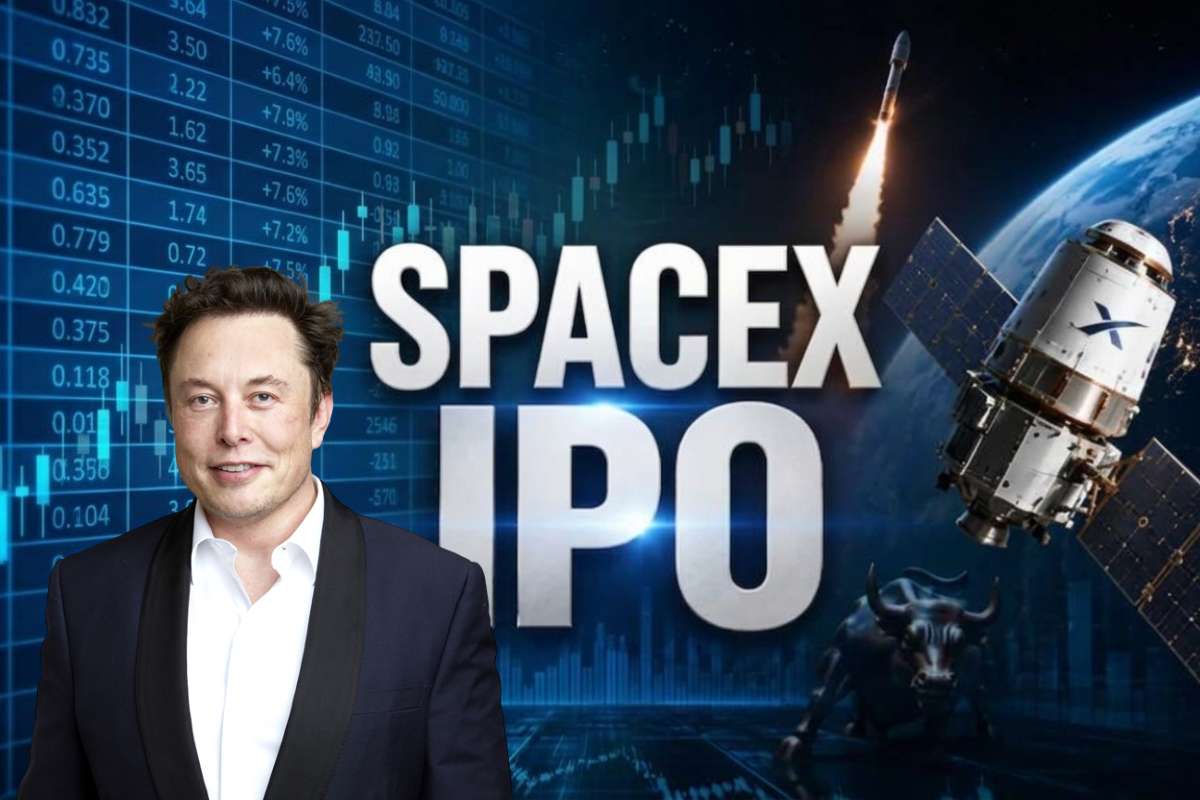
SpaceX is expected to begin trading on the Nasdaq within about two weeks following its S-1 filing. The company’s SpaceX IPO filing targets a valuation between $1.75 trillion and $2 trillion.
Tesla currently holds a market capitalization of about $1.6 trillion. A combined company could be valued between $3.35 trillion and $3.6 trillion, according to estimates based on current valuations.
The merger would unite businesses across electric vehicles, rocket launches, satellite internet, artificial intelligence infrastructure, and energy storage under one corporate structure.
Musk’s Expanding Business Network Draws Investor Attention
The discussions have gained traction because Tesla and SpaceX already share operational and leadership ties. Elon Musk serves as chief executive of both companies, and the businesses maintain overlapping workforces and financial relationships.
Earlier this year, SpaceX merged with Musk’s artificial intelligence company xAI in a deal that also brought social media platform X under the same corporate umbrella. That transaction increased investor speculation that Musk could pursue broader consolidation across his businesses.
“Musk has built an ecosystem where the companies already operate in connected ways,” said Dan Ives, managing director at Wedbush Securities, in comments to financial media this week. “Investors are now questioning whether formal consolidation becomes the next step.”
Tesla employees familiar with internal discussions told CNBC that the possibility of combining the companies has circulated openly in recent weeks. Musk has not publicly confirmed plans for a merger.
SpaceX’s prospectus shows Musk controls about 85% of the company’s voting power, giving him significant influence over any future transaction.
Legal and Shareholder Questions Remain Unresolved
Legal experts say a merger may face limited antitrust scrutiny because Tesla and SpaceX operate in different industries. However, analysts caution that the structure of any agreement could prove complicated.
Questions remain over which company would become the parent entity, how shares would be exchanged, and how minority shareholders would be protected.
“The governance issues could become more important than the antitrust concerns,” said corporate attorney Sarah Klein, who specializes in mergers and acquisitions. “Any deal of this size would face intense shareholder review.”
Some investors also remain cautious about combining companies with sharply different business models and risk profiles. Tesla’s public market volatility contrasts with SpaceX’s fast-growing but historically private operations.
Still, enthusiasm surrounding SpaceX’s expected Nasdaq debut continues to drive speculation on Wall Street. Investors are closely watching whether Musk signals stronger intentions about a merger during the company’s SpaceX IPO roadshow.
Neither Tesla nor SpaceX issued public statements Thursday responding to the merger reports.
Check out Visionary CIOs Magazine for the latest updates in business, technology, and innovation.