Key Points:
- Tim Cook and Robert Swan bought Nike shares, signaling confidence.
- Nike’s earnings beat estimates, but revenue and margins remain pressured.
- Insider buying suggests belief in Nike’s long-term recovery.
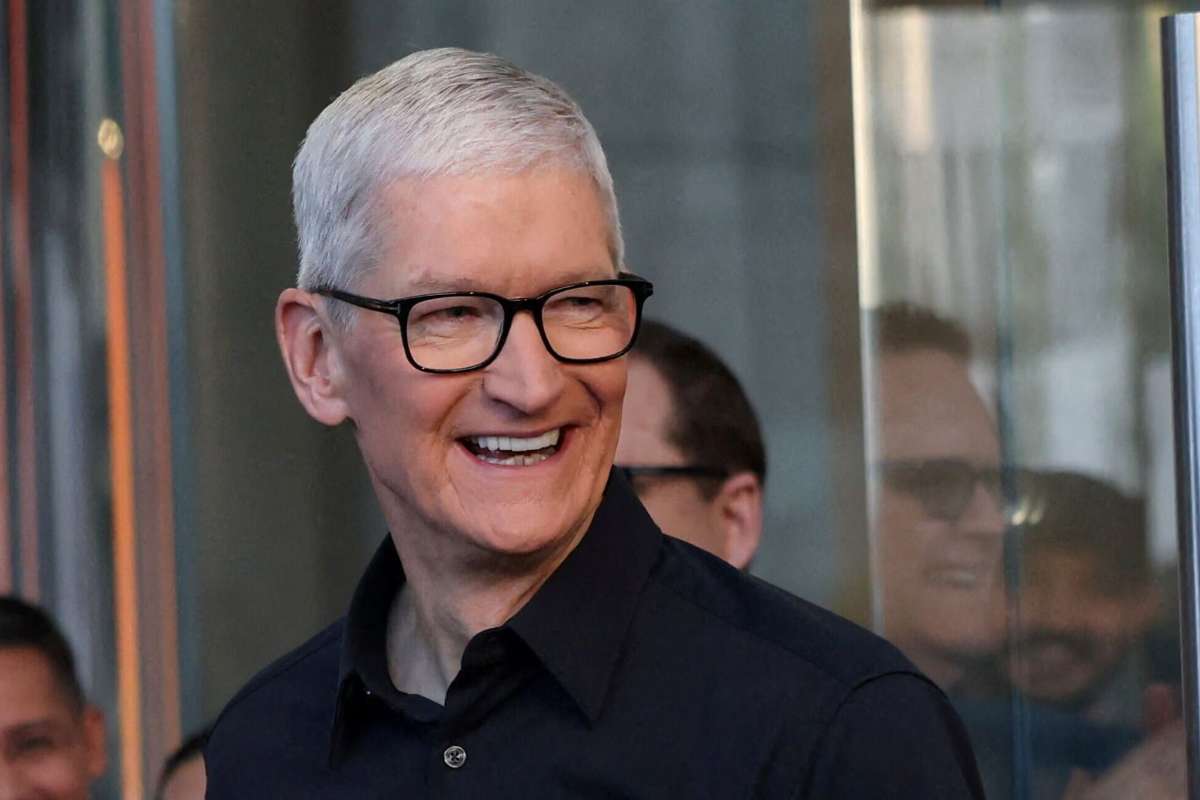
Apple chief executive Tim Cook has purchased nearly $3 million worth of Nike shares, according to regulatory filings, drawing attention from investors as the Dow component trades close to its lowest level in seven months. The transaction comes at a time when Nike is working through operational challenges and repositioning its business for recovery.
Tim Cook, who serves as lead independent director on Nike’s board and chairs its compensation committee, acquired 50,000 Class B shares at an average price of $58.97. The purchase totaled about $2.95 million. Another Nike board member, Robert Swan, also disclosed a share purchase, acquiring 8,691 shares at $57.54 for an estimated $500,000. Together, the transactions signaled notable insider buying during a period of share price weakness.
Nike stock rose about 4.7 percent following the disclosures, closing near $60. Despite the bounce, shares remain down roughly 21 percent for the year and more than 27 percent below their February peak.
Insider buying draws focus on leadership confidence
Insider purchases by senior board members often draw attention because they can reflect internal confidence in long-term strategy. Market observers noted that the buying activity could be interpreted as a sign of belief in Nike’s turnaround efforts under chief executive Elliott Hill.
Nike has faced pressure from slower demand in key international markets, particularly China, while also managing cost increases and shifting consumer behavior. The stock recently fell sharply even after the company exceeded earnings expectations for the second quarter of fiscal 2026. That reaction pushed shares to levels not seen in about seven months.
For business leaders, the timing of Tim Cook’s purchase is notable. As head of one of the world’s most valuable companies, his decision to invest personal capital into Nike places focus on governance, long-term brand value, and leadership alignment. Cook has served on Nike’s board for years and has been closely involved in executive compensation and oversight.
Earnings outlook highlights ongoing challenges
Nike’s latest earnings report showed mixed signals. While quarterly results topped analyst expectations, revenue performance continues to face headwinds. Sales in China remain under pressure, which has weighed on overall growth. Management expects third quarter revenue to decline in the low single digits, with modest growth projected in North America.
The company also signaled that performance in Greater China and its Converse brand is expected to mirror the previous quarter. On the cost side, Nike anticipates gross margins to decline between 157 and 225 basis points. Excluding the impact of higher product costs linked to tariffs, margins would show improvement, according to management commentary.
Operating expenses are also expected to rise slightly as Nike increases spending on demand creation and investments tied to its sports focused strategy. Leadership emphasized that these investments are aimed at strengthening the long term health of its brand portfolio rather than delivering short term gains.
From a leadership perspective, Nike’s situation highlights the balance between near term financial pressure and long term brand positioning. The company remains one of the weaker performers in the Dow this year, with low relative strength and earnings ratings compared to peers.
For entrepreneurs and business owners, the developments around Nike offer a case study in brand resilience, strategic patience, and the signaling effect of insider actions. While financial metrics show strain, the insider buying activity has added a new layer to the market narrative, suggesting that those closest to the company see value at current levels and remain committed to its recovery path.
Visit Visionary CIOs for the latest information.