Key Points:
- Buffett steps down as CEO but stays chairman.
- He built Berkshire into a $1T giant through disciplined investing.
- Greg Abel becomes CEO, aiming to preserve the core philosophy while adapting.
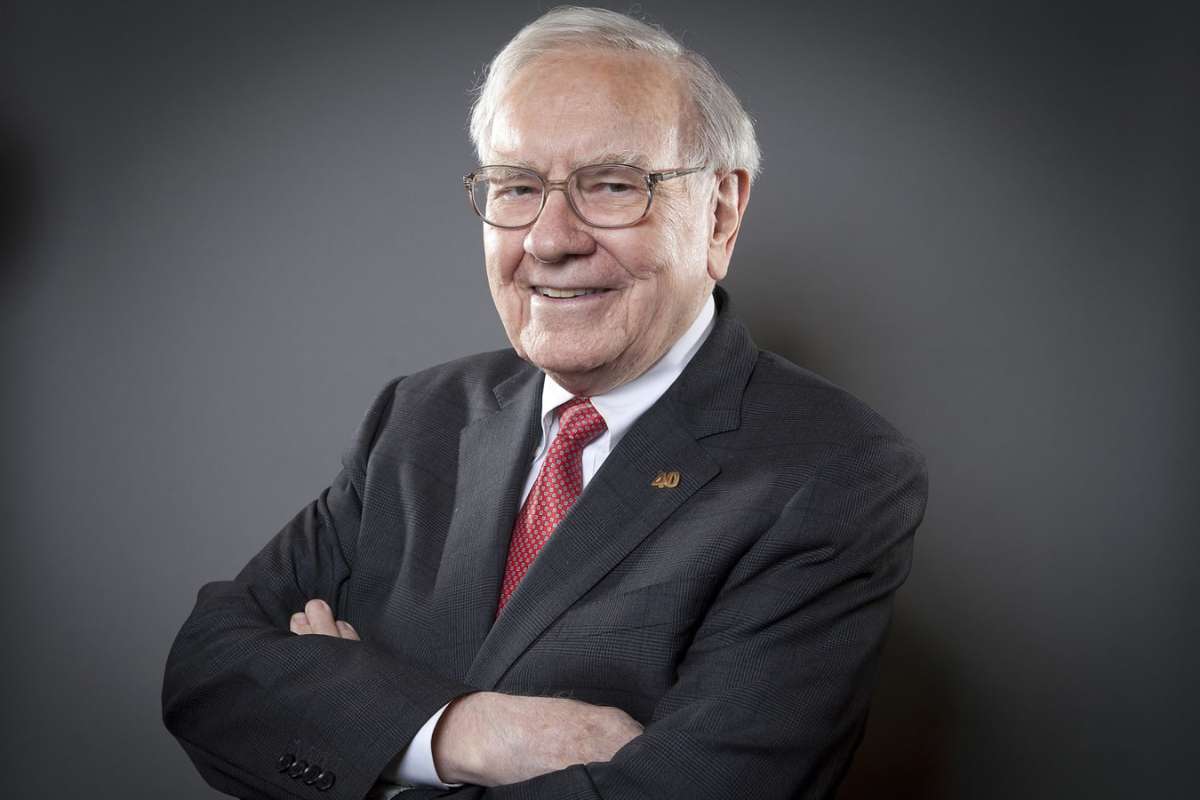
Warren Buffett completed his final day as chief executive of Berkshire Hathaway on Wednesday, ending a six-decade tenure that reshaped the company and influenced global investing.
After more than sixty years leading Berkshire, Buffett leaves the chief executive role at a moment of transition rather than departure. At 95, he will continue as chairman of the board and maintain a presence at the company’s Omaha headquarters, signaling continuity for shareholders, managers, and business partners who have long associated Berkshire’s identity with his leadership philosophy.
A leadership legacy built on patience and trust
Warren Buffett took control of Berkshire in the 1960s after purchasing what he later described as a deeply flawed textile business. Over time, he transformed the struggling firm into a diversified conglomerate valued at roughly $1 trillion. His approach centered on using insurance premiums, known as float, to invest in public equities and acquire entire businesses with durable advantages and strong management teams.
That strategy produced extraordinary long-term returns and made Buffett one of the world’s wealthiest individuals, with a net worth exceeding $150 billion. Beyond financial success, he established a reputation for disciplined decision making, capital allocation restraint, and an uncommon willingness to wait for the right opportunities rather than chase short-term gains.
Warren Buffett has also set an example in personal stewardship. He has already donated Berkshire shares valued at more than $200 billion and has instructed his children to give away nearly all remaining holdings over time. For entrepreneurs and business owners, his career offers a model of aligning wealth creation with long-range responsibility and values-driven leadership.
Although he is stepping aside as chief executive, Buffett has emphasized that this move does not represent a traditional retirement. He plans to reduce public commentary and leave operational decisions to his successor while remaining available during periods of significant opportunity or uncertainty.
Greg Abel steps forward as Berkshire’s new chief executive
Greg Abel assumes the chief executive role after years of preparation within the organization. He joined Berkshire in 2000 following the acquisition of a controlling stake in MidAmerican Energy, where he served as president. Since 2018, Abel has overseen non-insurance operations as vice chairman, gradually taking on broader responsibilities.
Observers note that Abel has effectively managed Berkshire’s diverse group of non-insurance businesses for several years. His leadership style contrasts with Buffett’s famously hands-off approach, placing greater emphasis on structure, coordination, and direct engagement with subsidiary leaders.
This shift has already become visible. In recent years, Berkshire introduced additional management layers to support its operating companies, including the appointment of senior executives to guide dozens of consumer, service, and retail businesses while reinforcing the firm’s culture. These changes reflect Abel’s effort to balance autonomy with accountability across a vast corporate portfolio.
Despite these adjustments, expectations are that Berkshire’s core philosophy will remain intact. Shareholders and analysts widely believe the company will continue to prioritize long-term value creation, conservative financing, and selective investment decisions. Buffett’s ongoing role as chairman, combined with his significant voting control, is seen as a stabilizing force during the transition.
Over time, however, Berkshire may face pressures common to other large corporations, including investor demands for dividends, share buybacks, or faster deployment of its substantial cash reserves. How Abel navigates these expectations while preserving the principles that defined Buffett’s era will shape Berkshire’s next chapter.
For business leaders, the transition underscores a broader lesson. Enduring organizations depend not only on visionary founders but also on thoughtful succession planning, cultural continuity, and leaders prepared to evolve without abandoning core values.
Visit Visionary CIOs for the latest information.