Key Points:
- Subramanya named Apple AI chief
- Leadership shift to speed Siri rollout
- Apple pushes to close AI gap
Apple has announced a major shift in its artificial intelligence leadership as John Giannandrea, the company’s long-time senior executive overseeing Machine Learning and AI Strategy, prepares to step down. Giannandrea, who played a crucial role in shaping Apple’s early AI framework and steering the development of Apple Intelligence, will move into an advisory role before officially retiring in spring 2026. His departure marks the end of an important era, as he has been instrumental in defining the company’s approach to responsible and privacy-focused AI.
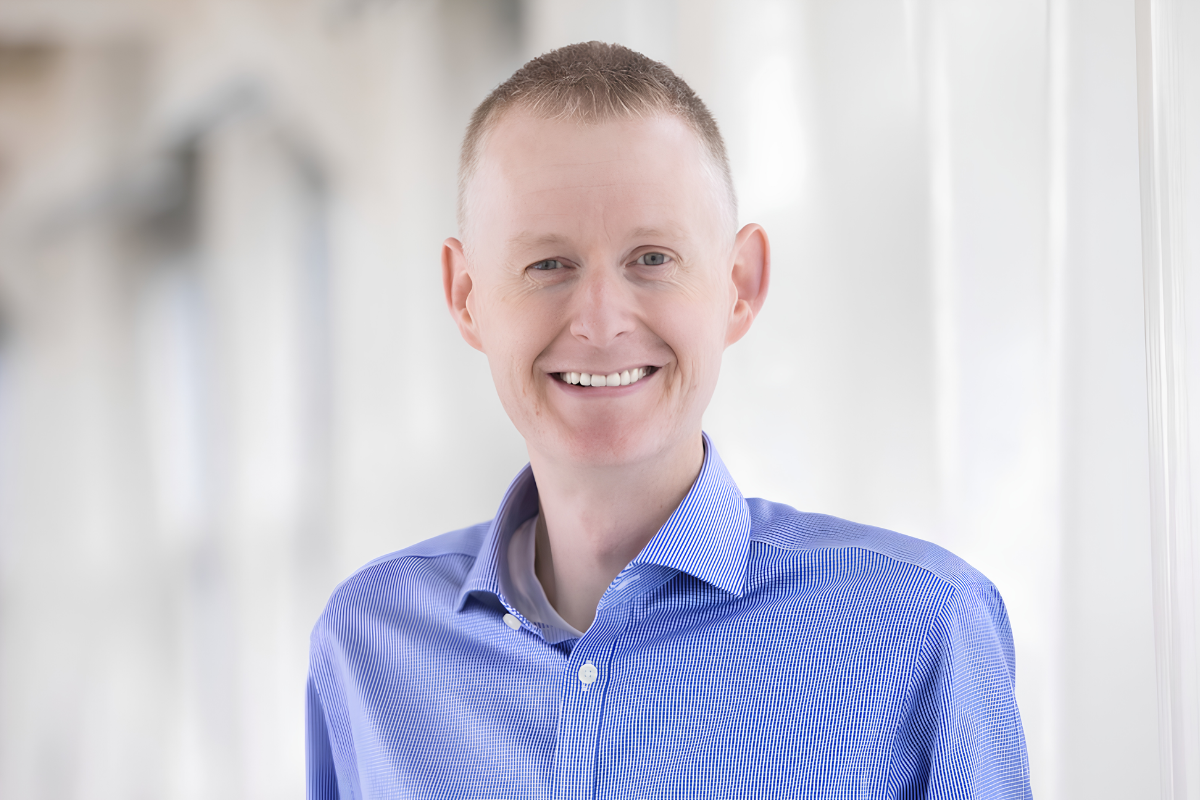
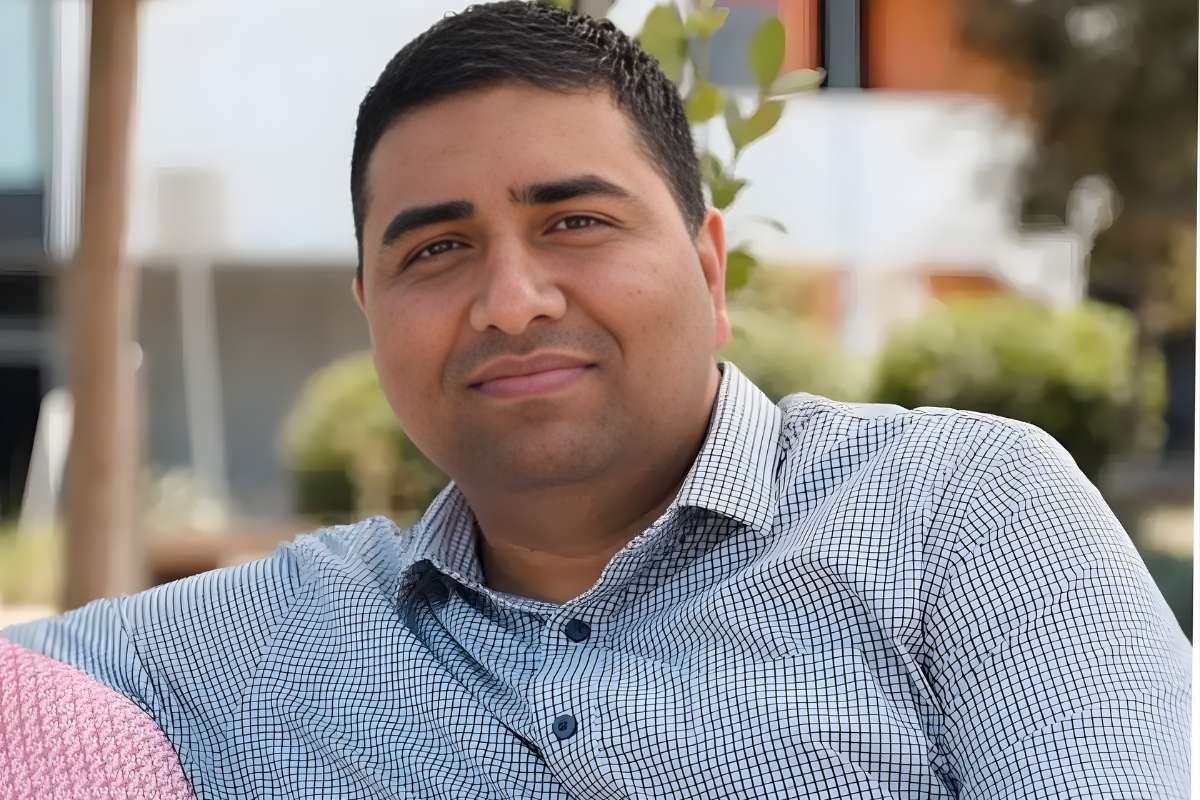
In a significant move, Apple has appointed Amar Subramanya as its new vice president of AI. Subramanya will report directly to Craig Federighi, Apple’s Senior Vice President of Software Engineering, positioning Apple’s AI initiatives more closely under its core engineering leadership. The change signals a strategic attempt to accelerate the company’s progress at a moment when competition in the global AI industry is intensifying rapidly. As major tech companies push aggressively into generative and conversational AI, Apple is seeking to strengthen its position and deliver more innovative capabilities across its ecosystem.
A Veteran Technologist Steps In to Lead Apple’s AI Strategy
Amar Subramanya brings extensive experience in building advanced AI systems. Before joining Apple, he served as a corporate vice president of AI at Microsoft, where he oversaw several high-impact machine learning programs. Before that, he spent more than 16 years at Google, where he led engineering for the company’s assistant technologies and contributed to the development of foundational AI systems. His background offers a blend of research depth and product execution, two areas critical for Apple’s next phase of AI growth.
In his new position, Amar Subramanya will lead Apple’s efforts in foundational model development, large-scale machine learning research, AI safety and evaluation, and the integration of generative AI across Apple products. His appointment reflects Apple’s need to not only innovate but also to deliver AI features that are secure, reliable, and designed for billions of users.
Industry observers believe that Subramanya’s arrival marks a pivotal moment for Apple’s AI trajectory. The company has faced increasing pressure to match the pace of innovation set by other technology giants. Apple’s focus on privacy-preserving and on-device intelligence, while unique, has slowed down some of its AI advancements. Subramanya’s mandate reportedly includes accelerating research pipelines, modernizing internal AI infrastructure, and ensuring smoother deployment of new AI tools.
Strategic Timing as Apple Races to Restore AI Momentum
The transition comes at a critical time as Apple attempts to ramp up its generative AI strategy. While the company launched its Apple Intelligence platform earlier, the rollout has been gradual, with several key features, most notably the redesigned Siri, yet to reach users. Delays in delivering a more powerful, conversational version of Siri have fueled concerns that Apple is falling behind competitors who have rapidly expanded their AI capabilities.
Although Apple has introduced incremental improvements, such as real-time translation on AirPods and AI-driven voice functionalities in its fitness ecosystem, these updates have not matched the advancements seen in rival platforms. With user expectations shifting significantly, Apple’s AI leadership transition appears aimed at re-establishing momentum and narrowing the innovation gap.
By placing Subramanya at the forefront of its AI operations and aligning him closely with Federighi, Apple is signaling a major strategic reset. The company is now expected to prioritize faster development cycles, deeper integration of generative AI, and a stronger push toward global competitiveness. This leadership change may ultimately shape the future direction of Apple’s intelligence ecosystem for years to come.