Key Takeaways:
- SpaceX and Tesla formed independent board committees to evaluate a potential multi-trillion-dollar merger.
- The deal aims to align overlapping investments in artificial intelligence, robotics, and Terafab chip manufacturing.
- Elon Musk recused himself from committee talks, noting that the merger requires approval from 50% of all Tesla shares.
The proposed SpaceX-Tesla merger is under review after Elon Musk’s SpaceX and Tesla formed independent board committees this week to evaluate a potential combination of their artificial intelligence, robotics and infrastructure projects.
Independent committees examine the proposed deal
The SpaceX-Tesla merger proposal remains under evaluation, with both companies reviewing the potential benefits, transaction terms and implications for shareholders.
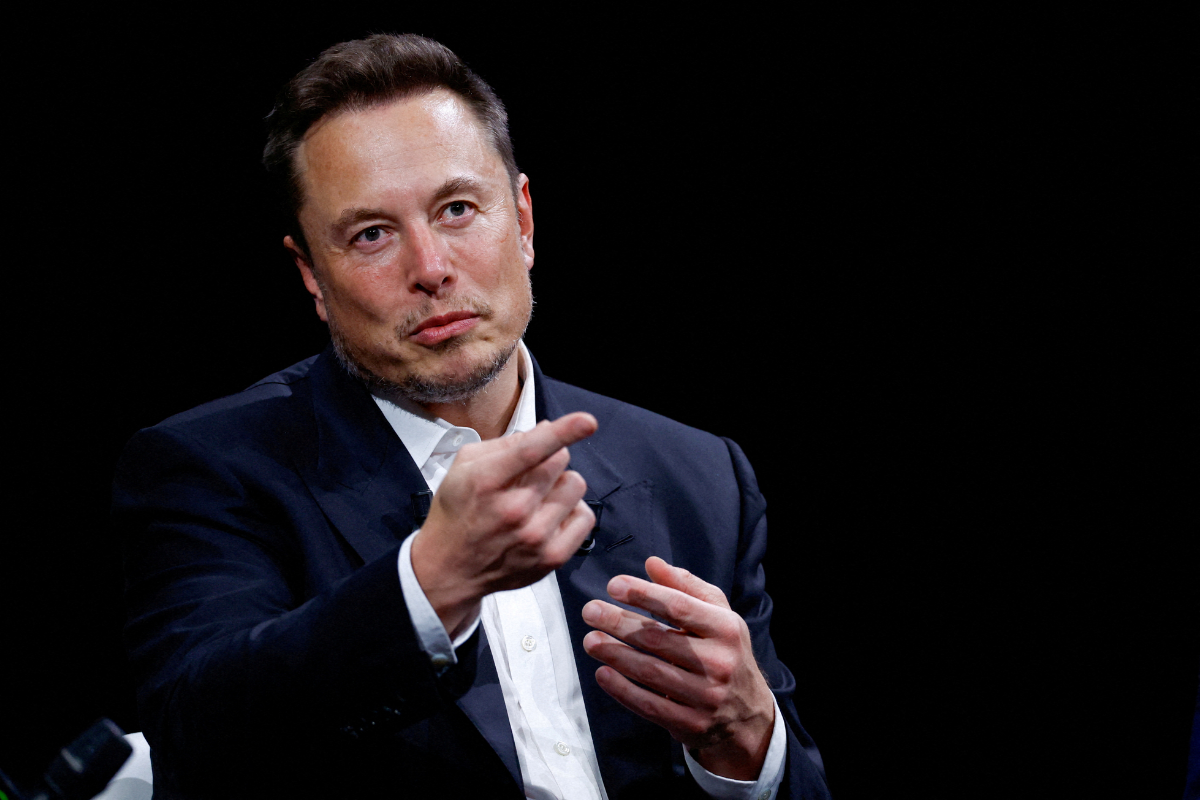
Musk confirmed the committees during SpaceX’s third-quarter earnings call Tuesday. He said both companies formed the groups at shareholders’ request and that he would not participate because he leads both businesses and has a conflict of interest.
“I do think there’s a lot of merit to combining the companies,” Musk said during the call. However, he cautioned investors against assuming the merger would happen.
“The special committees have not reached agreement on the terms of any transaction and there’s no guarantee that they will,” he said.
The proposed combination would bring Tesla’s electric vehicles, energy storage and robotics operations together with SpaceX’s rockets, satellite internet services and expanding artificial intelligence business. A merger could become one of the largest corporate transactions on record.
The companies have increasingly worked on overlapping technologies, including artificial intelligence systems, chips and robotics. A combined structure could help coordinate investments and development across those projects.
AI and infrastructure drive the merger case
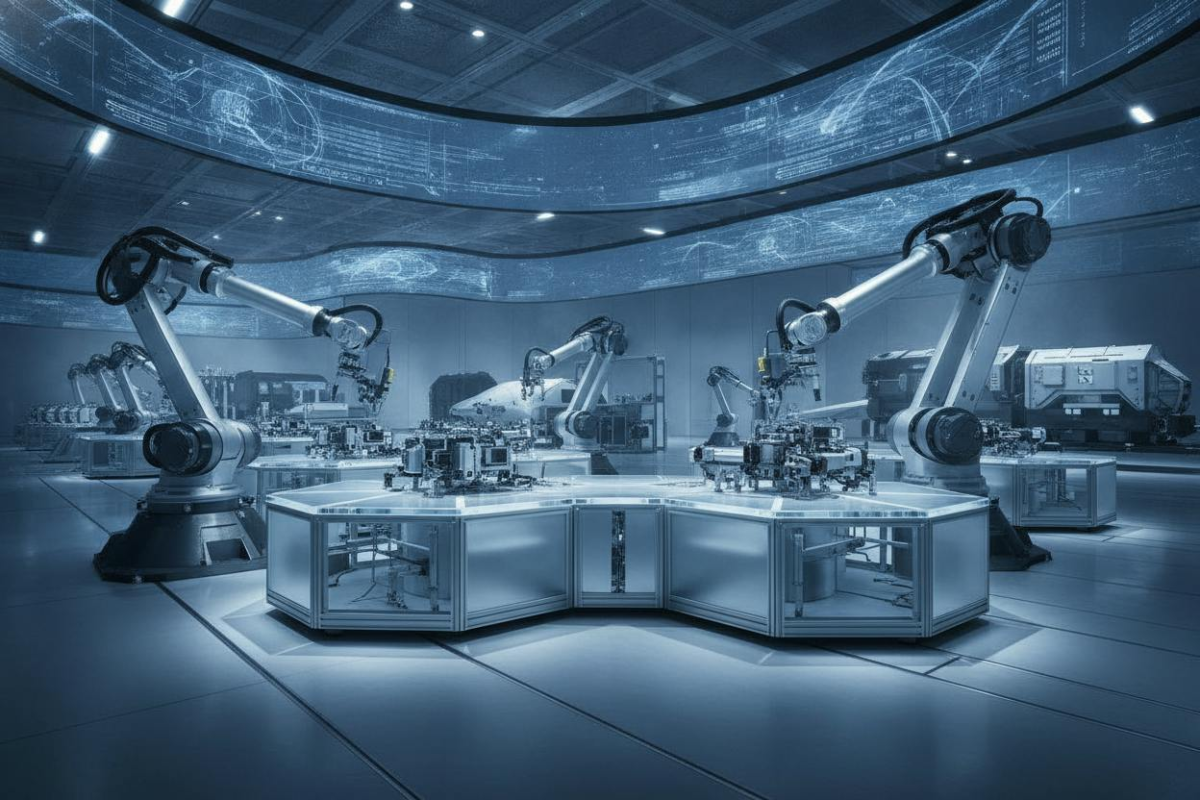
Artificial intelligence is a central factor driving the proposed SpaceX-Tesla merger, as both companies seek to coordinate investments in computing infrastructure, robotics and advanced chip technology. Tesla is developing autonomous driving technology and humanoid robots, while SpaceX is investing in computing infrastructure and AI-related projects.
The companies are also jointly developing Terafab, a planned chip manufacturing project intended to support their growing computing needs. Combining their operations could simplify coordination across chip production, software development and hardware.
SpaceX is valued at more than $2 trillion, while Tesla’s market value is nearly $1.5 trillion, according to recent market estimates reported by Axios. A transaction involving both companies would create a business worth several trillion dollars, depending on its structure and final terms.
Analysts see strategic advantages in bringing the companies together, particularly as both expand beyond their original businesses. But the potential benefits would need to justify the financial and operational complexity of combining a space company with an electric vehicle manufacturer.
The companies have not announced a merger agreement, an exchange ratio or a timetable for completing a transaction.
Shareholder approval and conflicts pose hurdles
Elon Musk said the proposed SpaceX-Tesla merger would require strong shareholder support, particularly from Tesla investors, before the transaction could proceed. He noted that approval would require votes representing at least 50% of all Tesla shares, rather than simply a majority of votes cast.
“I think some people out there assume that a SpaceX and Tesla merger is a certainty, and I think that would be overstating it,” Musk said.
The independent committees must assess the proposal without Elon Musk participating in their discussions. Their review will be important because the chief executive’s leadership roles at both companies create potential conflicts over valuation, transaction terms and the interests of each company’s shareholders.
Investor reaction has reflected growing expectations that the companies could combine. Reuters reported Wednesday that analysts see strategic value in a deal, although the outcome remains uncertain.
Regulatory scrutiny could also complicate a transaction. SpaceX holds government contracts and operates in the aerospace sector, while Tesla competes in the automotive and energy markets. A merger would require a review of its financial terms, governance arrangements and regulatory implications.
For now, the independent committees must determine whether the SpaceX-Tesla merger makes commercial sense, what terms would be appropriate and whether the proposed transaction should move forward. Shareholders would still need to approve the transaction, and Elon Musk has made clear that the outcome is not guaranteed.