Entertainment has always brought people together. Through cinema halls, concerts, television premieres, radio hits, and global sporting events. The stories, music, and performances begin long before they reach the public.
The top entertainment companies sit at the heart of this vast ecosystem. They finance films, manage artists, produce television programming, organize live events, and distribute content across international markets. Their influence stretches across traditional media and emerging platforms, guiding what audiences experience across generations.
In this article, we will look at some of these companies and how they have reached the pinnacle of entertainment.
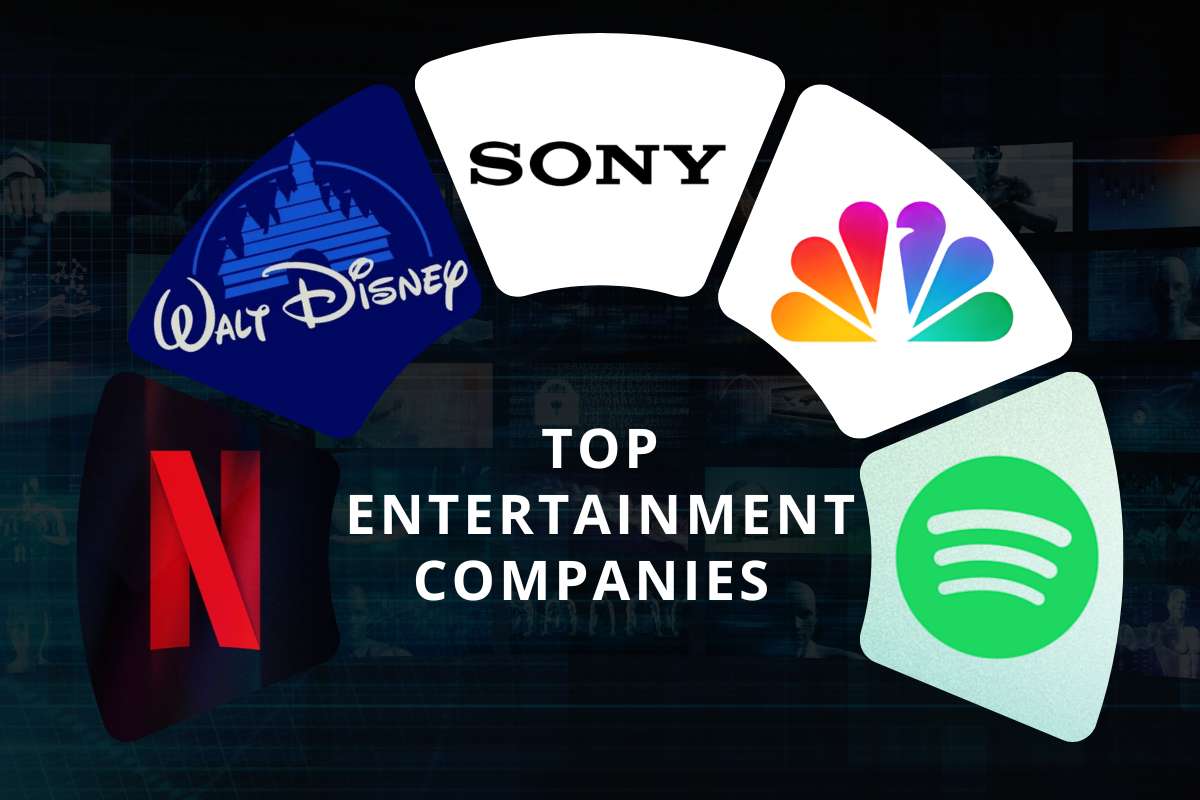
The 20 top entertainment companies dominating global media in 2026:
Billions of dollars. Millions of fans. These top entertainment companies command the screens, stages, stadiums, and devices people use every day. We have ranked these companies according to their market cap from highest to lowest. So, here are the firms setting the pace across streaming, gaming, music, sports, and live events worldwide.
1. Netflix, Inc.
➠ Market Cap: ~$330 B | 2025 Revenue: ~$45 B (TTM) | Country of Origin: United States
Netflix started in 1997 as a DVD rental service. It later moved into online streaming and changed how people watch shows and films. It invests heavily in original series, films, and global content.
The company focuses on direct-to-consumer streaming. It releases content in many languages to reach new markets. It also experiments with plans supported by ads and live events. Streaming growth now depends on strong stories and steady subscriber gains.
Netflix competes in a crowded market. Rivals push for sports rights and big franchises. In response, Netflix backs local creators and data-driven content decisions. Today, it serves millions of members across the world.
2. The Walt Disney Company
➠ Market Cap: ~$189 B | 2025 Revenue: ~$95 B | Country of Origin: United States
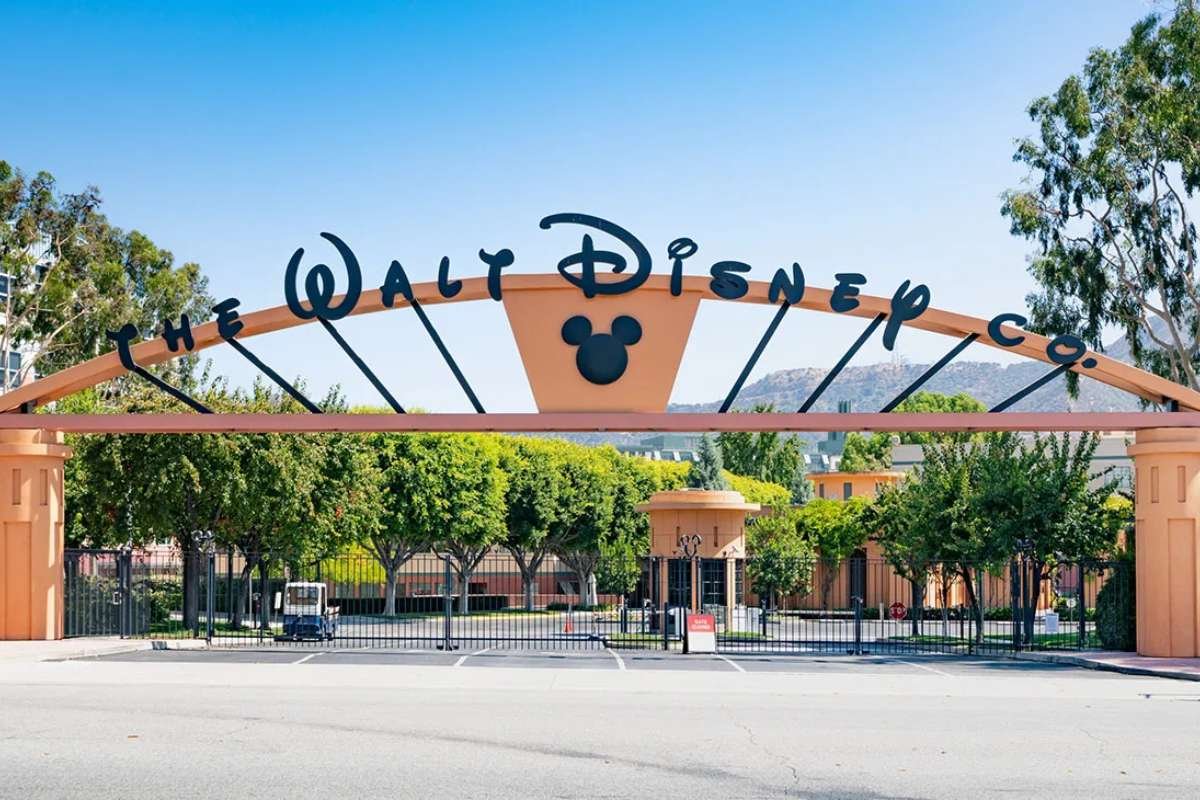
Disney began in 1923 as an animation studio. It grew into a global media and theme park giant. The company owns film studios, streaming services, and consumer products. Its brands attract families across generations. A few top entertainment companies control intellectual property at this scale across film, television, and theme parks.
Disney operates across films, television, streaming, and parks. It owns major franchises and uses them across platforms. This cross-platform model helps it earn from content, merchandise, and attractions. Streaming growth remains a key focus for its future.
The company adapts to shifts in viewer habits. It works to balance cinema releases with digital streaming. Parks and live experiences add strong cash flow. As media shifts online, Disney pushes to make streaming profitable while protecting its legacy brands.
3. Sony Group Corporation
➠ Market Cap: ~$133 | B 2025 Revenue: ~$84.86 B | Country of Origin: Japan
Sony began in 1946 as an electronics maker. Over time, it built strong positions in music, gaming, and films. Today, it operates as a broad technology and media group. Entertainment drives a large part of its growth.
The company owns major music labels and a large film studio. It also runs the PlayStation gaming business. Gaming revenue continues to rise with digital downloads and subscriptions. Sony blends hardware, software, and content to stay competitive.
Industry trends favor digital media and online play. Sony invests in live service games and streaming music. It also grows its film and television production business. By linking technology with content, Sony builds steady revenue streams across markets.
4. Comcast Corporation
➠ Market Cap: ~$113 B | 2025 Revenue: ~$123 B | Country of Origin: United States
Comcast started as a cable provider in 1963. It expanded into broadband, media, and film production. Today, it operates through cable services and its media division. That scale places Comcast firmly within the Top Entertainment Companies, controlling both distribution and production
The company owns television networks and a major film studio. Broadband remains a core revenue driver. At the same time, media and streaming services add growth. Comcast adapts as viewers move from cable to online platforms.
The industry faces cord-cutting and rising competition. Comcast invests in faster internet and streaming options. It also grows its theme parks and studio output. This mix helps it balance steady utility income with media expansion.
5. Spotify
➠ Market Cap: $98.33 B | 2025 Revenue: $18.90 B | Country of Origin: Sweden
Spotify launched in 2006 as a music streaming service. It changed how people listen to songs and podcasts. Today, it serves users across many countries. It offers free and paid plans with large audio libraries.
The company focuses on streaming music, podcasts, and audiobooks. Paid subscriptions drive most of its revenue. It also earns from ads on its free tier. Podcast growth and creator tools remain key parts of its strategy.

The audio industry now values exclusive content and direct fan access. Spotify invests in original shows and smart recommendations. It uses data to keep users engaged. As competition rises, it works to improve margins and expand into new markets.
6. NetEase
➠ Market Cap: $76.98 B | 2025 Revenue: $15.51 B | Country of Origin: China
NetEase began in 1997 as an internet service provider. It later grew into one of China’s top entertainment companies that focused on gaming. Today, it develops and publishes online and mobile games. It also runs music and education platforms.
Gaming drives most of its income. The company creates its own titles and partners with global studios. Mobile gaming remains strong in Asia. It also builds franchises to keep players active.

The gaming market now favors live updates and in-game purchases. NetEase invests in global expansion and new studios. It looks beyond China to reduce risk. As player tastes shift fast, it focuses on strong design and community features.
7. Warner Bros. Discovery
➠ Market Cap: $71.38 B | 2025 Revenue: $37.86 B | Country of Origin: United States
Warner Bros. Discovery was formed in 2022 after a major merger. The merger has created one of the top entertainment companies. It brings together film studios, TV networks, and streaming services. The company owns well-known entertainment brands. It serves viewers across many platforms.
The company earns from films, cable channels, and streaming. It manages a large library of shows and movies. Streaming now stands at the center of its long-term plan. It aims to balance cost control with content investment.
Media firms face pressure from falling cable subscribers. Warner Bros. Discovery pushes to grow its streaming base. It also cuts debt and streamlines operations. Strong franchises and global releases help it stay competitive.
8. Sea Limited
➠ Market Cap: $66.76 B | 2025 Revenue: $21.03 B | Country of Origin: Singapore
Sea Limited started in 2009 as a gaming company. It later expanded into e-commerce and digital payments. Today, it operates across Southeast Asia and other regions. Entertainment remains a core part of its business through gaming.
Its gaming arm publishes popular online titles. Digital services and e-commerce add scale to its model. The company links entertainment with online shopping and payments. This mix helps it build a wide digital ecosystem.
The gaming sector now faces tighter spending and regulation. Sea Limited focuses on user retention and new releases. It also works to improve profitability after rapid growth years. Digital platforms in Asia continue to expand, which supports their everlasting demand.
9. Nintendo
➠ Market Cap: $64.89 B | 2025 Revenue: $11.51 B | Country of Origin: Japan
Nintendo began in 1889 as a playing card company. It later moved into video games and built famous characters. Today, it develops consoles and game titles. Its brands attract players of all ages.
The company earns from hardware and software sales. Its consoles often follow a unique design path. It focuses on family-friendly games and strong in-house franchises.

The gaming market shifts toward online play and subscriptions. Nintendo keeps its own ecosystem and loyal fan base. It blends nostalgia with new ideas. These timeless appeals make Nintendo one of the top entertainment companies. It makes itself stand apart from rivals.
10. Electronic Arts
➠ Market Cap: $50.10 B | 2025 Revenue: $7.30 B | Country of Origin: United States
Electronic Arts started in 1982 as a game publisher. It became known for sports and action titles. The company develops and publishes games for consoles and PCs. It also offers mobile versions of major brands.
Sports franchises form the core of their revenue. Annual releases bring repeat sales from loyal players. Live services and in-game content now drive the overall income. Digital sales remain higher than physical copies.

The industry now values online modes and player updates. Electronic Arts invests in esports and live events. It works to extend each title beyond a single launch. This strategy supports steady engagement across seasons.
11. Roblox
➠ Market Cap: $44.69 B | 2025 Revenue: $1.4 B | Country of Origin: United States
Next amongst the top entertainment companies by market cap is Roblox. It launched in 2006 as a gaming platform. It lets users create and share their own games. The platform attracts a young global audience. It blends gaming with social interaction.
The company earns from in-game purchases and virtual goods. Creators build experiences and share revenue. This model fuels rapid content growth. Mobile access supports wide adoption.
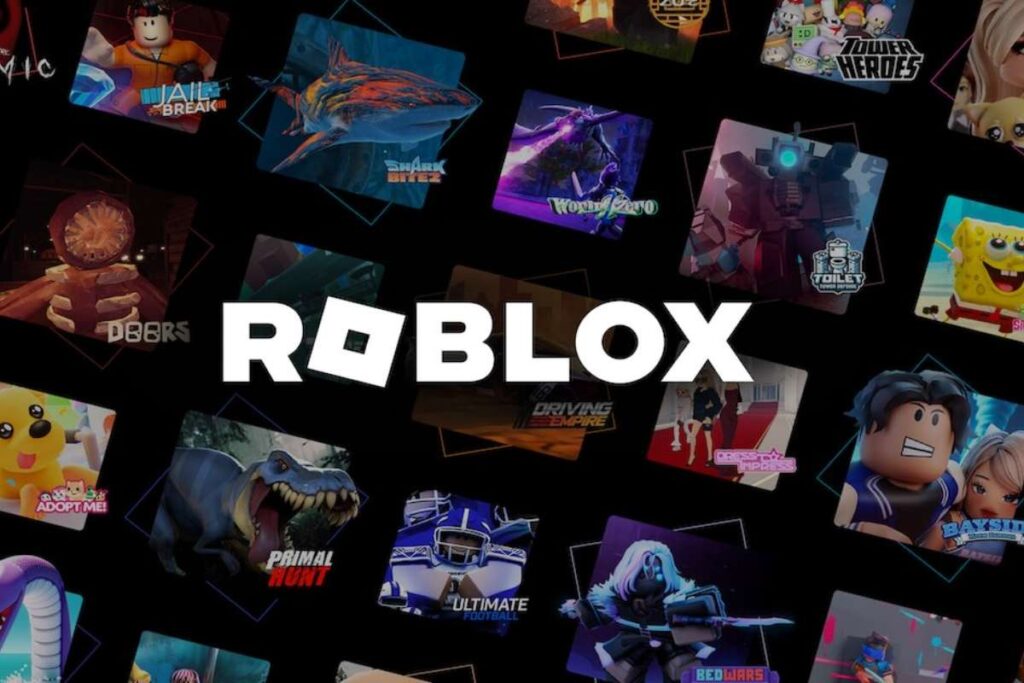
Gaming trends now favor community and virtual spaces. Roblox invests in safety tools and developer support. It also expands into virtual events and brand tie-ups. These moves strengthen its role in online social gaming.
12. Naspers
➠ Market Cap: $43.67 B | 2025 Revenue: $2.53 B | Country of Origin: South Africa
Naspers began in 1915 as a media publisher. It later grew into a global internet investor. Today, it holds stakes in digital platforms and tech firms. Entertainment and online services form part of its portfolio.
Naspers stands out among the top entertainment companies as it earns through investments rather than direct content sales. It owns shares in major tech and gaming firms. This model spreads risk across regions. It focuses on long-term value creation.
The media sector now blends tech and content. Napers adapts by backing digital growth companies. It looks for strong user bases and scalable platforms. This strategy links it to fast online markets.
13. Universal Music Group
➠ Market Cap: $41.42 B | 2025 Revenue: $12.31 B | Country of Origin: Netherlands
Universal Music Group stands as one of the largest music companies in the world. It manages global artists across many genres. This global roster anchors Universal Music Group within the Top Entertainment Companies dominating recorded music. The company earns from recorded music, publishing, and licensing deals. It operates in major markets across Europe, the Americas, and Asia.
Streaming drives most of its revenue today. Paid subscriptions and digital platforms fuel steady growth. The company also earns from live rights and brand partnerships. Music catalogs now hold massive value today.

The industry leans toward streaming and short-form video. Universal invests in artist development and global distribution.
14. Las Vegas Sands
➠ Market Cap: $39.78 B | 2025 Revenue: $12.26 B | Country of Origin: United States
Las Vegas Sands operates large casino resorts and hotels. It built its brand through luxury properties and gaming spaces. The company focuses on integrated resorts with shopping, dining, and events. Most of its revenue comes from Asian markets.
Gaming and tourism drive its core income. Convention spaces add business travel revenue. The company targets premium customers and high-end experiences. It runs large properties with global appeal.

The entertainment sector now blends travel, gaming, and retail. Las Vegas Sands adapts to tourism trends and regional policy shifts. It invests in property upgrades and customer loyalty programs. Strong travel demand supports future growth.
15. Take-Two Interactive
➠ Market Cap: $36.87 B | 2025 Revenue: $6.55 B | Country of Origin: United States
Take-Two Interactive develops and publishes video games. It owns well-known franchises across action and sports genres. The company releases titles for consoles, PCs, and mobile devices. Strong brands drive repeat engagement.
The firm earns from game sales and digital content. Online modes extend the life of major titles. In-game purchases add a steady income beyond launch periods. Digital downloads now lead overall sales.
Gaming trends favor live updates and open-world play. Take-Two invests in franchises and studio expansion. It plans major releases to sustain interest. This approach supports strong player loyalty.
16. Live Nation
➠ Market Cap: $36.17 B | 2025 Revenue: $24.56 B | Country of Origin: United States
Live Nation operates live events and ticketing services. It promotes concerts, tours, and festivals worldwide. The company also owns ticketing platforms and venue networks. Live music forms the center of its business.
Ticket sales and sponsorships drive most revenue. The company works with global artists and event organizers. Large tours attract strong demand across regions. Venue partnerships support scale and reach.
The live entertainment market rebounded after travel limits eased. Fans now spend more on concerts and festivals. Live Nation expands global tours and digital ticket tools. Rising demand for shared experiences supports future growth.
17. Oriental Land
➠ Market Cap: $29.15 B | 2025 Revenue: $4.23 B | Country of Origin: Japan
Oriental Land operates major theme parks in Japan. It manages resort properties that attract millions each year. The company focuses on park operations, hotels, and guest services. Tourism drives most of its income.
Ticket sales and in-park spending support revenue. Guests spend on food, merchandise, and stays. The company keeps high service standards and hosts seasonal events. It works to maintain steady visitor growth.

Theme parks now compete on immersive experiences. Oriental Land invests in new attractions and park upgrades. It adapts to travel trends and local demand. Strong domestic tourism supports its base.
18. Tencent Music Entertainment
➠ Market Cap: $25.75 B | 2025 Revenue: $4.40 B | Country of Origin: China
Tencent Music Entertainment runs leading music platforms in China. It offers streaming, live audio, and social features. The company serves a large digital audience. It blends music with community tools.
Paid subscriptions and virtual gifts drive income. Users also join live sessions and fan events. The company licenses songs from global and local labels. Digital music now leads audio growth in China.
The industry shift towards social listening and live streaming has made Tencent Music one of the top entertainment companies worldwide. Tencent Music invests in exclusive rights and artist tools. It builds strong user engagement through interactive features. These steps support stable revenue growth.
19. Formula One Group
➠ Market Cap: $22.36 B | 2025 Revenue: $4.04 B | Country of Origin: United States
Next on this list of top entertainment companies isFormula One Group. It manages the global Formula 1 racing series. It earns from media rights, race hosting fees, and sponsorships. The sport attracts fans across many countries. Events take place on major circuits worldwide.
Broadcast deals form a large share of revenue. Teams and sponsors add strong commercial value. The company also grows digital media and fan content. Global viewership continues to rise.

Motorsport now blends sport and entertainment. Formula One invests in new markets and city races. It expands streaming access and social media reach. Rising interest among younger fans supports growth.
20. Flutter Entertainment
➠ Market Cap: $22.09 B | 2025 Revenue: $15.43 B | Country of Origin: Ireland
Flutter Entertainment operates online betting and gaming platforms. It owns brands across sports betting and casino games. The company serves customers in Europe, the United States, and other regions. Digital wagering drives most revenue.
Online sports betting forms its core business. Mobile apps attract strong user activity. The company uses data tools to manage risk and pricing. It expands through brand acquisitions and partnerships.

The betting market shifts toward regulated online platforms. Flutter invests in compliance and technology systems. It focuses on user growth in legal markets. Digital access supports steady expansion across regions.
Conclusion:
The entertainment industry thrives on imagination, talent, and bold investment. The Top Entertainment Companies help turn creative ideas into cultural moments that reach audiences across continents. Their decisions influence cinema, music, broadcasting, live performances, and global franchises that define different eras.
As audience tastes grow with new emerging formats, these companies continue adapting while preserving the core of what makes entertainment powerful: storytelling, performance, and connection. Understanding their role offers insight into how the world of global entertainment operates and continues to grow.
FAQs
1. What makes a company one of the top entertainment companies?
Strong revenue, global reach, successful franchises, talented creators, and consistent audience engagement contribute to their leadership position.
2. How do entertainment companies make money?
They earn through box office sales, streaming subscriptions, advertising, licensing deals, merchandise, sponsorships, and distribution rights.
3. Do top entertainment companies only focus on movies?
No. Many operate across multiple sectors, including streaming, television, music production, gaming, and live events.