For decades, global entertainment followed a familiar route. Hollywood films filled cinema halls, American television shaped pop culture, and English-language stories reached audiences across continents. International productions existed in the background, far from mainstream attention.
‘Then, viewing habits changed.’
Netflix placed local stories beside global blockbusters and gave audiences instant access to worlds they had rarely explored before. Viewers who once skipped subtitles started spending entire weekends watching foreign-language series.
Soon, a Spanish heist drama became a worldwide craze. A Korean survival thriller dominated conversations across countries. Indian crime stories appeared in recommendation feeds far beyond India.
The platform did more than stream content. It connected cultures through shared obsession.
‘Hollywood created global entertainment.’
‘Netflix global storytelling.’
Before Netflix Became Netflix
Netflix started in 1997 when Reed Hastings and Marc Randolph launched a DVD rental company in California. Their idea was simple. People could order movies online and receive them at home instead of visiting crowded rental stores.
‘Convenience became the product.’
At the time, late fees frustrated millions of customers. Netflix answered that problem with unlimited rentals and no penalty charges. The service felt modern, easy, and built around viewer comfort.
‘Netflix solved irritation before it sold entertainment.’
The company also paid close attention to audience habits. In 2000, Netflix introduced a recommendation system that suggested movies based on viewing preferences. Long before streaming entered everyday life, Netflix understood that personalized entertainment could shape how people watched content in the future.
Netflix Timeline
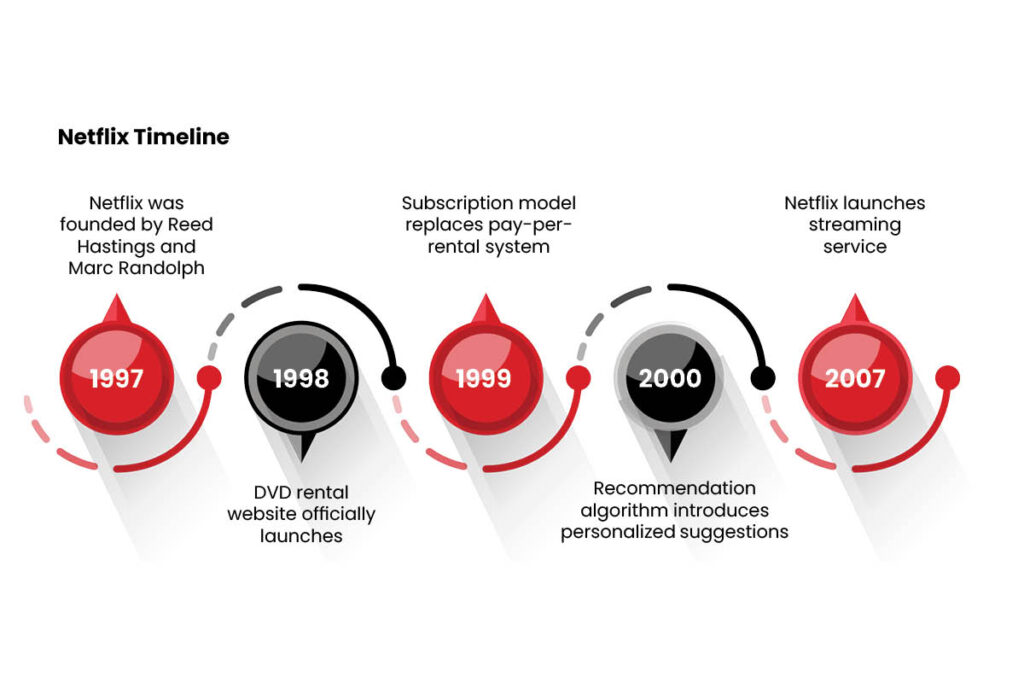
- 1997: Netflix was founded by Reed Hastings and Marc Randolph
- 1998: DVD rental website officially launches
- 1999: Subscription model replaces pay-per-rental system
- 2000: Recommendation algorithm introduces personalized suggestions
- 2007: Netflix launches streaming service
Netflix was building the habits of modern entertainment long before streaming became mainstream.
Netflix Rewired Entertainment
In 2007, Netflix introduced streaming and changed how people consumed entertainment. Viewers no longer waited for DVDs to arrive in the mail. Movies and shows became instantly available on televisions, laptops, and later smartphones.
‘Watching became immediate.’
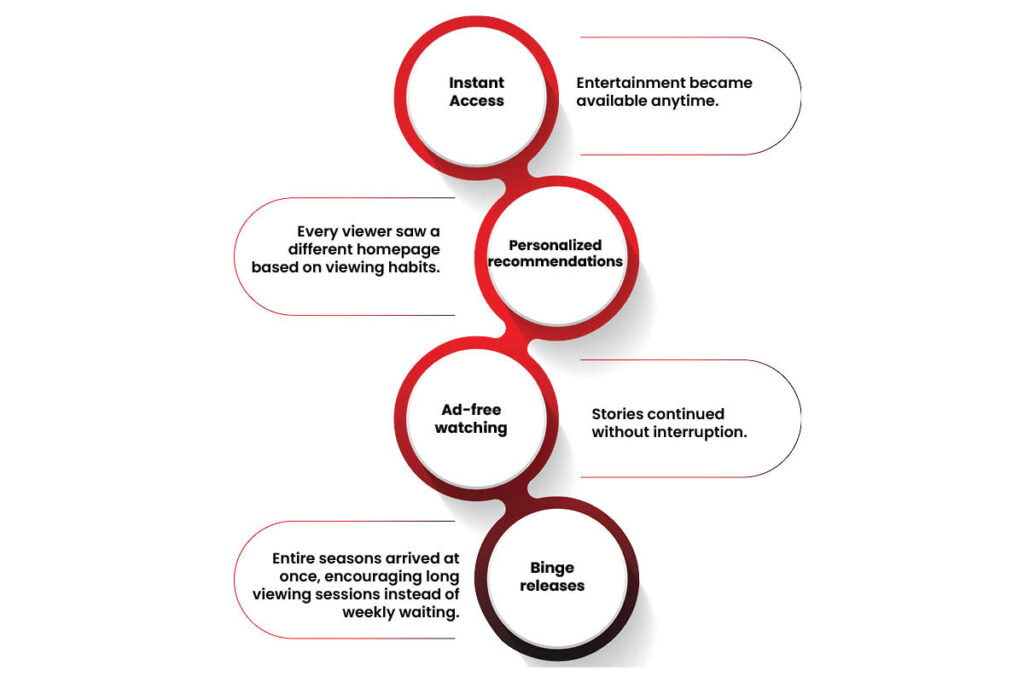
The platform introduced habits that soon shaped modern entertainment culture.
- Instant access: Entertainment became available anytime.
- Personalized recommendations: Every viewer saw a different homepage based on viewing habits.
- Ad-free watching: Stories continued without interruption.
- Binge releases: Entire seasons arrived at once, encouraging long viewing sessions instead of weekly waiting.
‘Television once controlled viewing routines.’
‘Netflix handed control to audiences.’
The company soon moved beyond licensed content and entered original production. House of Cards became an early breakthrough, proving that a streaming platform could compete with major studios in Netflix global storytelling quality.
‘Television followed schedules.’
‘Netflix followed viewers.’
The Rise of Borderless Entertainment
Netflix spent its early years building a strong presence in the United States. Then the company expanded aggressively across Europe, Latin America, Asia, and Africa. By 2016, the platform operated in more than 190 countries.
‘The strategy was bigger than expansion.’
‘It focused on cultural connection.’
Local Languages:
Netflix invested heavily in subtitles and dubbing across dozens of languages. Viewers could watch Korean thrillers, Spanish crime dramas, or Indian series without language becoming a barrier.
‘Accessibility created curiosity.’
Regional Originals:
The company began producing shows built around local cultures, actors, and storytelling styles.
- Money Heist transformed a Spanish crime drama into a worldwide obsession.
- Sacred Games introduced Indian crime storytelling to international audiences.
- Squid Ga+3
- me became a global cultural phenomenon across dozens of countries.
These productions proved that local stories could attract massive worldwide viewership.
‘Local stories gained worldwide attention.’
Personalized Discovery:
Netflix used recommendation systems to place international content beside familiar titles. A viewer in Brazil could discover a German sci-fi series within seconds. An Indian crime drama could trend in Europe overnight.
Netflix stopped treating international content like a side category.
It made it the main attraction.
When did Netflix shows Became Global Events?
Some Netflix shows became larger than entertainment itself.
They shaped internet conversations, fashion trends, fan communities, and digital culture. Audiences across countries began reacting to the same stories at the same time. A new kind of global viewing culture began to take shape.
The Shows that Defined Netflix’s Streaming Era
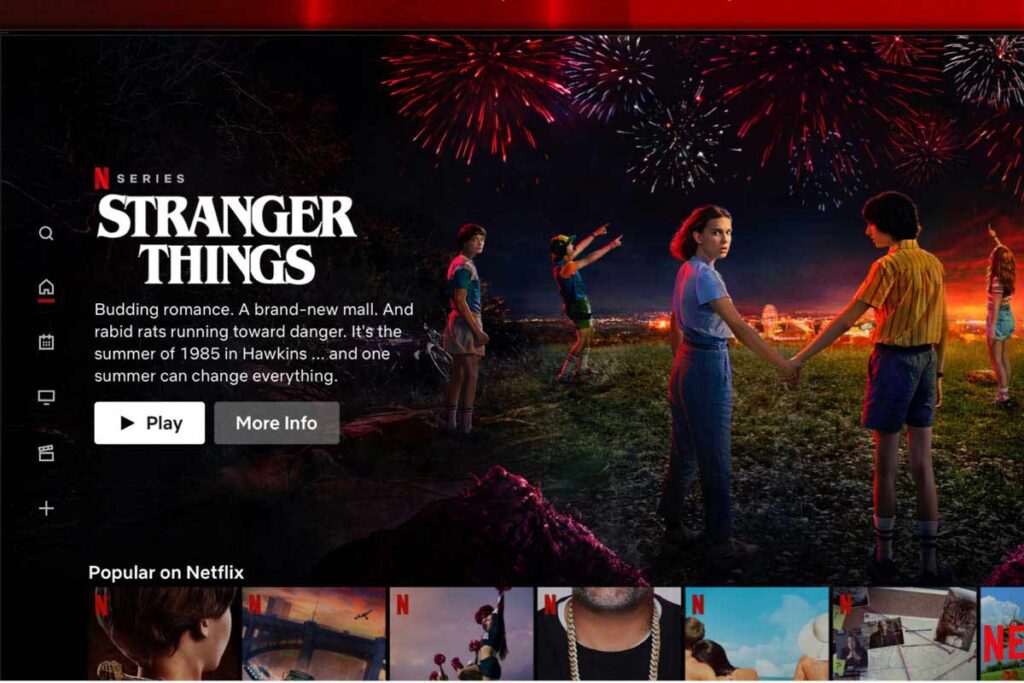
Early originals like House of Cards showed that streaming platforms could compete with traditional television in quality and storytelling. Soon after, Stranger Things turned nostalgic science fiction into a worldwide fan obsession.
Netflix later expanded its cultural influence with genre-heavy Netflix global storytelling and emotionally intense dramas. Wednesday dominated social media trends and fashion conversations. One Piece attracted both anime fans and mainstream audiences.
‘Streaming Became Participation Culture’
Viewers created memes, fan theories, reaction videos, and online discussions around Netflix releases. Entire seasons released together encouraged binge-watching and stronger audience engagement.
‘Watching a show became a shared online experience.’
International Netflix global storytelling slowly became part of everyday mainstream entertainment habits.
The Algorithm that Changed Entertainment
Netflix built its success through more than popular shows and films. The platform carefully studied audience behavior through viewer data. Every click, pause, replay, and binge session revealed what audiences enjoyed watching.
‘The information shaped major business decisions.’
Netflix used these insights to recommend highly specific content, market titles differently across countries, and identify stories with worldwide potential. Even thumbnails changed depending on individual viewing preferences.
‘The technology stayed mostly invisible.’
‘The experience felt deeply personal.’
Instead of relying only on traditional studio instincts, Netflix studied viewing habits on a massive scale and turned audience patterns into a powerful entertainment strategy.
The Future Netflix Created
Netflix changed entertainment by changing what audiences considered worth watching. Local stories gained worldwide attention, subtitles became normal, and viewers discovered cultures through shared streaming experiences. The platform combined technology, personalization, and regional Netflix global storytelling into a powerful global strategy. What once seemed niche became mainstream across countries and generations.
‘Hollywood once controlled global entertainment conversations.’
‘Netflix opened those conversations to the world.’
Now, a story created anywhere can capture audiences everywhere.