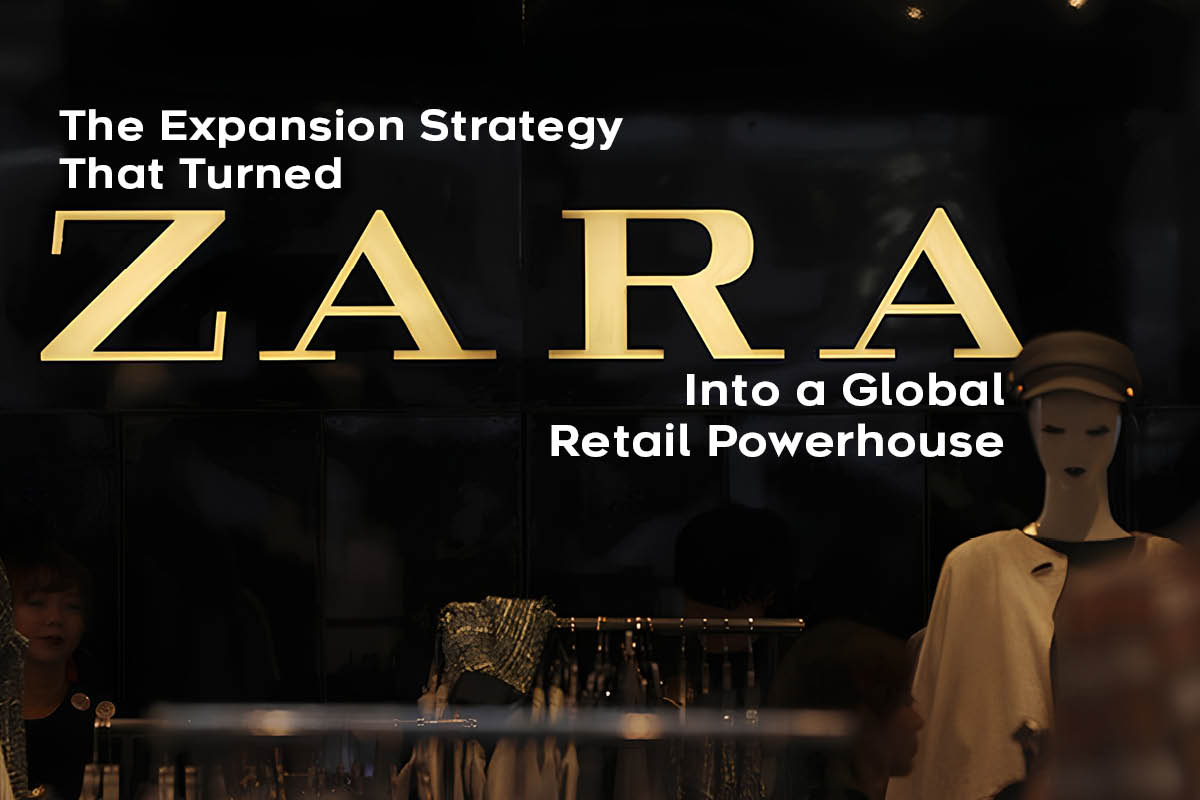
For a long time, fashion brands followed a slow, set schedule. They planned styles months ahead and hoped they would sell. Zara changed everything. They didn’t just chase trends; they rebuilt how stores work.
The company chose to focus on speed. They linked design, making, and shipping into one fast system. While other brands tried to guess what people liked, Zara used real data. They turned their stores into “labs” to see what customers wanted right now. Today, Zara isn’t just a fast-fashion leader; they are masters of using data and speed to drive the Zara expansion strategy all over the world.
The Origin of Zara’s Expansion
Zara became a global leader because it moves fast. Most brands try to guess what people will want months in advance. Zara does not. Instead, they watch what customers are buying right now and react immediately.
This works because Zara keeps its factories close to home. Most of its clothes are made in Spain, Portugal, Turkey, and Morocco. By staying close to its main office, the company can spot new trends, make the clothes, and get them into stores faster than anyone else. This plan helps them avoid delays and gives shoppers exactly what they want, when they want it.
Inside Zara’s Ultra-Fast Supply Chain Architecture
That operational speed created a competitive advantage that competitors struggled to replicate. Traditional retailers often worked on seasonal calendars, forecasting trends six to nine months ahead. Zara eliminated much of that forecasting risk by creating a system that listened to consumers in real time. Store managers became information channels, reporting customer preferences, buying patterns, color trends, and inventory feedback directly to headquarters. Designers responded almost immediately.
The result was a retail ecosystem that behaved more like a living organism than a traditional fashion company.
Scarcity as a Revenue Engine
However, speed alone does not explain Zara’s global expansion. The real brilliance of the brand lies in how it transformed scarcity into consumer psychology.
Unlike conventional retailers that fill stores with large inventory volumes, Zara intentionally limits stock quantities. If a customer hesitated, the product might disappear forever. That created urgency. Consumers learned that Zara was not a place to “come back later.” It was a place to decide now.
This scarcity-driven model achieved two strategic outcomes simultaneously. First, it reduced excess inventory and minimized markdown losses. Second, it increased customer visit frequency because shoppers knew collections changed constantly. Many customers began visiting Zara stores multiple times a month simply to see what was new. Scarcity became a revenue engine disguised as fashion retail.
Why Zara Did Not Expand Like Traditional Retail Chains?
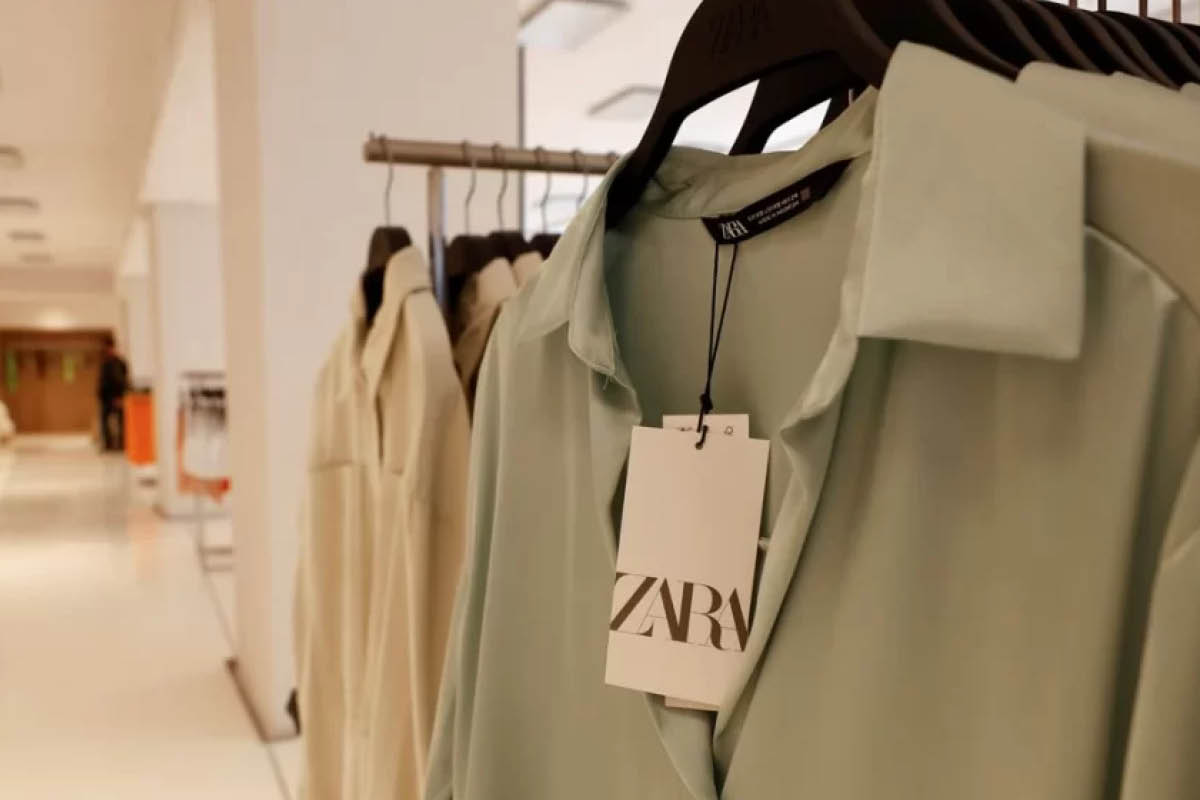
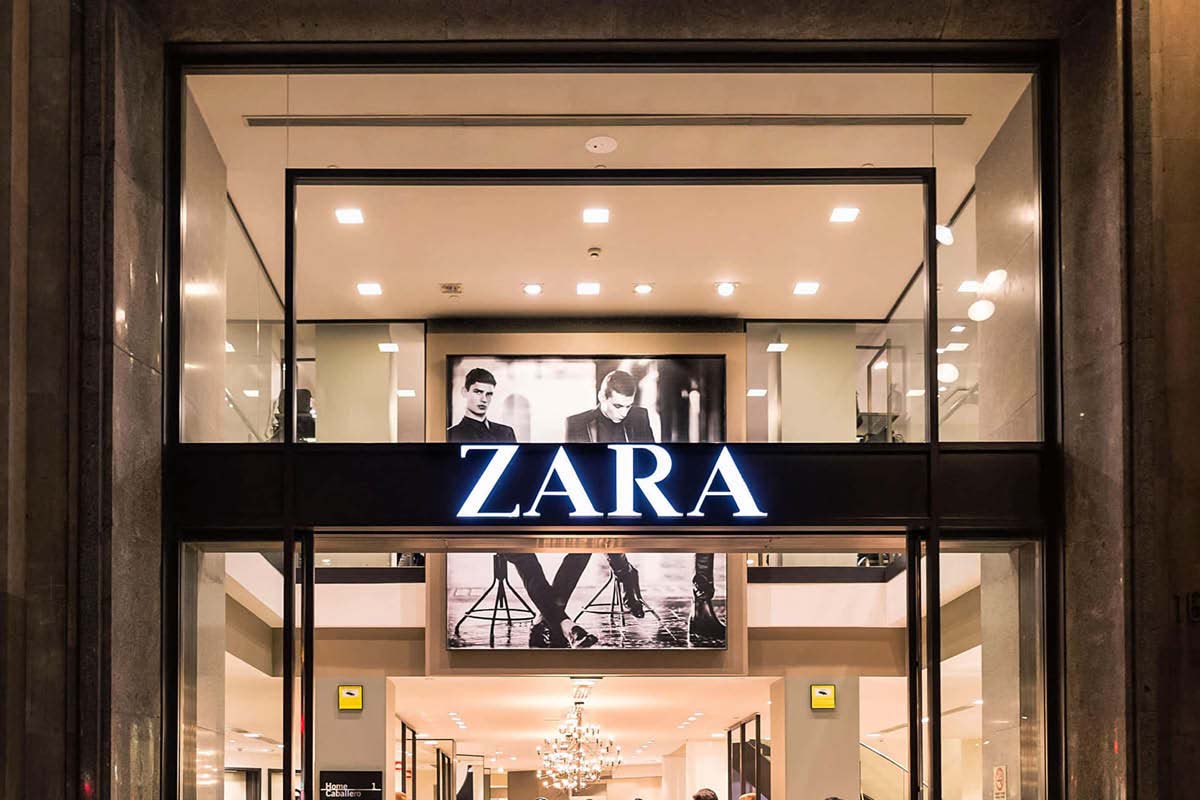
Zara’s international expansion has often focused on high-visibility, high-traffic urban locations rather than simple store multiplication. Inditex has invested in flagship-style stores in major fashion capitals and premium shopping districts, using location as a strategic signal of relevance and scale. These stores were not only commercial sites but also brand-building assets that helped Zara project modernity, trend awareness, and global reach.
That positioning helped Zara sit in a distinctive middle ground: accessible in price, but elevated in image. The brand’s appeal came from combining runway-inspired fashion with a store network that felt contemporary and internationally relevant.
Zara Made Global Fashion Feel Locally Relevant
What made Zara especially effective was its ability to make global fashion feel locally relevant. While maintaining a consistent brand identity, the company adapted merchandise to regional preferences, climate conditions, and buying behavior across markets. Zara’s operating model allowed these adjustments to happen quickly, with store-level feedback helping inform assortment, sizing, and replenishment decisions.
Localization at Zara was embedded in operations rather than limited to advertising. Instead of relying mainly on market-specific campaigns, the brand used inventory decisions and rapid feedback loops to tailor what appeared in stores. That approach helped the company feel familiar to local shoppers even as it scaled globally.
Integrating E-Commerce Without Weakening Store Experience
As digital transformation reshaped retail, Zara once again demonstrated strategic adaptability. Many legacy retailers faced challenges balancing e-commerce growth with physical retail operations, where online and offline divisions sometimes competed internally, creating fragmented customer experiences. Zara approached the transition differently.
Rather than treating stores and digital platforms as separate businesses, it integrated them into a unified ecosystem. Physical stores became fulfillment centers, inventory hubs, and experiential brand spaces simultaneously, enabling customers to order online, pick up in-store, return products across channels, and access centralized inventory systems.
This omnichannel integration strengthened operational efficiency while preserving the importance of physical retail. Zara recognized something many retailers overlooked: stores were not becoming irrelevant; their role was evolving. Technology also became central to forecasting, inventory management, and customer responsiveness, with predictive analytics, digital inventory tracking, and rapid distribution systems enabling Zara to maintain speed even as its global footprint expanded.
The Cost of Speed Inside Zara’s Sustainability Reckoning
Yet no discussion about Zara’s empire is complete without addressing the criticism surrounding fast fashion itself.
As environmental awareness grows, the industry faces increasing scrutiny over waste generation, overproduction, labor practices, and sustainability concerns. Fast fashion’s rapid consumption cycle has become both its greatest strength and its greatest vulnerability.
Consumers today are asking difficult questions about how clothing is produced, how often trends should change, and what sustainability truly means in large-scale retail.
For Zara, this presents a defining strategic challenge.
The company has introduced sustainability initiatives, circular fashion programs, and commitments toward more environmentally responsible materials. However, the broader tension remains unresolved: can a business model built on speed and constant newness coexist with long-term sustainability expectations?
This question may ultimately shape the next Zara expansion strategy more than geography or revenue growth.
Agility, Scarcity, and Scale: The Strategic Rise of Zara
Still, from a boardroom strategy perspective, Zara remains one of the most influential retail case studies of the modern era. Its success offers lessons far beyond fashion.
It demonstrates that operational agility can outperform traditional marketing dominance. It proves that supply chain architecture can become a brand differentiator. It shows that scarcity, when strategically managed, can drive both profitability and consumer engagement. Most importantly, it reveals that expansion is not merely about entering more markets — it is about understanding how to scale relevance.
Zara did not build its empire by following the rules of retail globalization. It succeeded by rewriting them.
The Next Phase
Zara transformed the economics of fashion retail by making responsiveness a core capability. The next chapter of the zara expansion strategy may depend on whether it can keep that advantage while meeting the demands of sustainability, digital personalization, and slower consumer expectations. Inditex’s own reporting suggests the company is investing in logistics, technology, and sustainability in parallel, which shows it understands the next phase will require more than speed alone.
Zara’s greatest strength has always been its ability to move faster than the market. The real question now is whether it can evolve faster than consumer expectations themselves.