Digital transformation is easy to fund. Getting it right is harder.
CIOs must modernize legacy systems, adopt new technology, manage costs, strengthen cybersecurity, and prove business value. The real challenge is knowing what to change first and how to bring people along.
The lessons from Fortune 500 CIOs on digital transformation show how leaders tackle these challenges through focused wins, smarter planning, and measurable results.
Why does a small win matter in digital transformation?
Large transformations can make CIOs want to change everything at once. Fortune 500 examples suggest a simpler approach: start with one clear business problem, test a focused solution, measure the result, and then scale what works.
Walmart’s use of agentic AI shows this approach. Its U.S. Chief Technology Officer, Hari Vasudev, said early tests showed that AI agents worked best when used for specific tasks and then linked into larger workflows.
The company has also reported clear results. Its Trend-to-Product capability can cut fashion production timelines by up to 18 weeks, while AI tools are being used across areas such as merchandising, customer support, store operations, and shopping.
What should a focused transformation win include?
- A clear business problem
- A limited scope
- A measurable baseline
- A defined owner
- A plan for adoption
- A clear point to decide whether to scale
Deloitte’s 2024 research also found a shift toward more focused digital investments with clear business cases, rather than large, high-risk transformation bets.
The lesson is to start with a problem the business already cares about, prove the value, and then scale.
Where did Fortune 500 technology leaders get it wrong first?

Transformation gets easier to understand when leaders are open about what went wrong.
One common mistake is treating transformation as a technology rollout instead of a business change. A new cloud platform or IT system does not create business value on its own.
Vodafone’s SAP S/4HANA migration shows why plans also need room to change. The team first planned three full data conversions before launch but later completed five after finding that more testing was needed.
The lesson is simple: a transformation plan should guide decisions, not lock them in. CIOs need regular review points to check progress, adoption, and business results.
Three common risks stand out:
- Starting with technology before understanding the business process.
- Treating the original roadmap as fixed.
- Measuring implementation instead of business impact.
The stronger approach is to use data, employee feedback, customer behavior, and financial results to decide what to continue, change, or stop.
How do cios sequence technology and people changes?
Technology changes often reshape how people work. New platforms, automation, AI, and cybersecurity can change roles, workflows, and the skills teams need. CIOs therefore need to plan technology and workforce changes together.
Walmart offers a clear example. In June 2025, the company introduced AI-powered tools for U.S. store associates alongside investments in training and career development. One task-management tool reduced estimated shift-planning time from 90 minutes to 30 minutes in early testing.
One of the key lessons from Fortune 500 CIOs on digital transformation is to start with a problem the business already cares about, prove the value, and then scale.
The example shows how technology and workforce changes can work together. CIOs can apply the same approach by sequencing transformation around the business need, process, people, and results.
A practical sequence looks like this:
- Start with the business need: Define what needs to improve.
- Map the process: Identify which tasks and roles will change.
- Choose the technology: Select tools that support the new process.
- Prepare people: Provide the skills and training needed.
- Track adoption: Check whether teams are using the tools.
- Measure results: Link the change to time, cost, productivity, or customer experience.
The goal is to make technology adoption part of the transformation plan, not an afterthought.
How are Fortune 500 CIOs turning technology investment into business value?
Fortune 500 CIOs are under growing pressure to show what technology spending delivers. Deloitte found that six in 10 executives struggled to quantify the benefits of individual technology investments.
The lesson is to connect each investment to a business result:
| Technology investment | Business value to measure |
| Automation | Hours saved or lower operating costs |
| Cloud modernization | Faster delivery or lower infrastructure costs |
| Data and analytics | Better decisions or higher conversion |
| Cybersecurity | Fewer incidents or lower risk |
| Digital products | Revenue or customer adoption |
This gives CIOs a clearer way to explain technology spending. The focus shifts from what the technology does to what it helps the business achieve.
How do CIOs decide which legacy systems to replace?
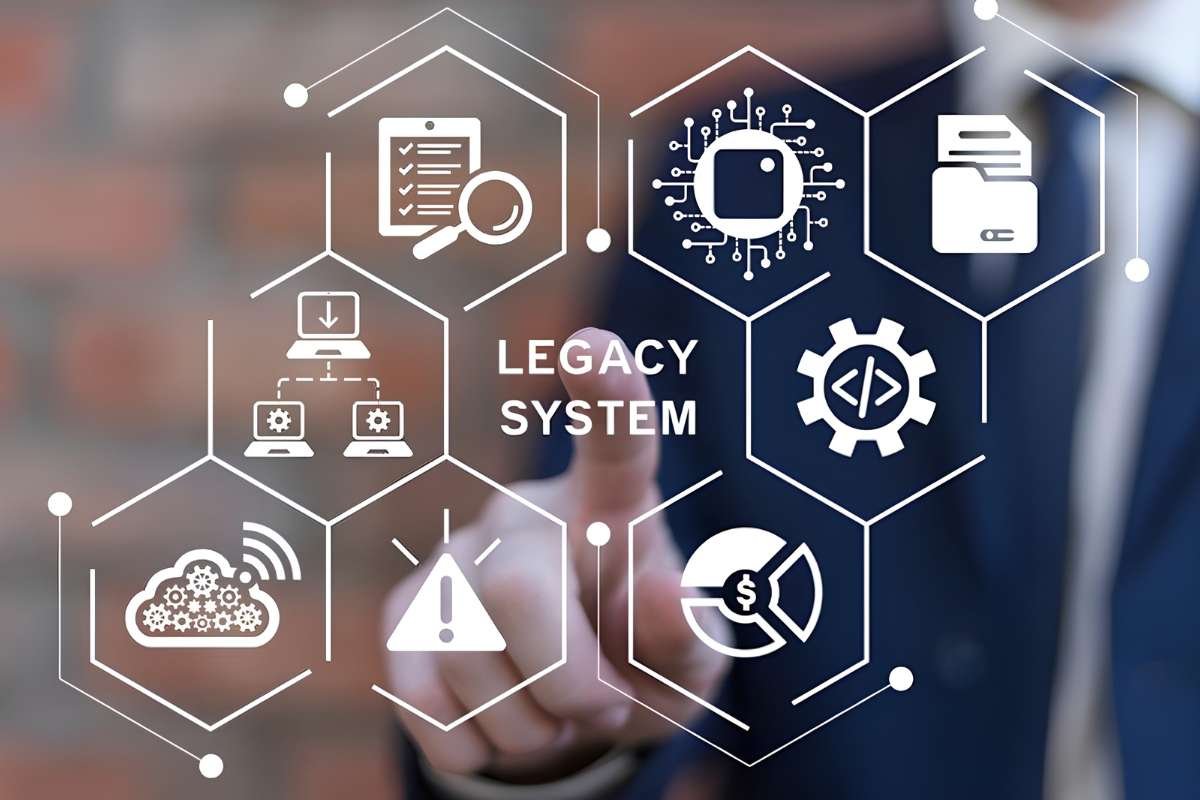
Legacy modernization is often where digital strategy meets day-to-day business needs. Large companies cannot replace every old system at once because these systems may run key processes and connect with other applications.
AT&T shows how a phased approach can work. The company had about 7,500 applications and moved about one-third to the cloud while retiring another third. Microsoft reported that the program cut on-premises infrastructure needs by about 70% and IT costs by about 30%.
The lesson is that not every legacy system needs the same solution. CIOs can assess each application and decide whether to modernize, move, replace, retire, or keep it for now.
This makes legacy modernization a business decision, not a race to adopt new technology.
How are CIOs using AI without losing sight of the bigger strategy?
AI is now a major part of technology strategy. But CIOs still need to connect AI projects to clear business goals.
Deloitte’s 2026 study of 662 senior technology leaders found that measurable business outcomes were the top technology priority. This means an AI project should solve a real business problem, not run as a stand-alone experiment.
The lessons from Fortune 500 CIOs on digital transformation also apply to AI strategy, where technology must remain tied to business goals.
Walmart shows how this can work. The company uses AI for areas such as customer support, product discovery, merchant workflows, and supply chain operations. It also pairs these tools with employee training and workforce support.
Its 2026 annual report links AI investments to customer experience, operations, supply chain efficiency, and talent. It also highlights risks around privacy, compliance, and other areas.
The lesson for CIOs is clear that AI needs strong data, secure systems, skilled teams, clear ownership, and a measurable business goal.
What would these leaders do differently if they started again?
Looking back at large technology programs, CIOs often point to the same gaps: business teams were not involved early enough, workforce needs were underestimated, and success was not defined clearly at the start.
McKinsey’s CIO research shows why early business input matters. One transportation and logistics CIO met with business leaders before the transformation to understand their goals, problems, and expectations. This helped shape the technology plan around real business needs.
For CIOs starting again, five checks can prevent common problems:
- Business case: What business problem are we solving?
- User input: Have employees helped shape the solution?
- Dependencies: What systems, data, skills, or processes could affect delivery?
- Workforce: What training or role changes will adoption require?
- Success measures: Which business metrics will prove the investment worked?
The lesson is to design the transformation around the business, involve users early, and define success before the rollout begins.
What are the most important lessons from Fortune 500 CIOs on digital transformation?
The examples above point to several recurring lessons. They are not a universal ranking of transformation priorities, but a practical summary of the patterns visible across Fortune 500 research and enterprise case studies.
| Lesson | Evidence | Business relevance |
| Start with a measurable problem | Walmart’’s focused AI use cases | Creates an evidence base for scaling |
| Connect technology with business strategy | McKinsey CIO research | Improves alignment |
| Build people changes into the plan | Walmart workforce AI rollout | Supports adoption |
| Modernize in stages | AT&T’s application portfolio approach | Reduces unnecessary complexity |
| Measure technology by business value | Deloitte technology research | Strengthens investment decisions |
| Adapt when evidence changes | Vodafone migration example | Reduces execution risk |
Russell Reynolds’ Fortune 500 research shows that the CIO role now reaches well beyond IT. AI, cybersecurity, data, and digital transformation are becoming key business issues.
That means CIOs need both technical knowledge and business leadership. Technology leaders must understand AI, cybersecurity, architecture, and risk while linking technology decisions to business results.
How to use lessons from Fortune 500 CIOs on digital transformation?

A Fortune 500 company can spend billions on technology. A smaller business may have a much smaller budget. But the basic decision process can still be similar.
Start by defining the business problem. Then set the starting point, identify the technology and process changes needed, understand how people will be affected, and set the measures that will show whether the project worked.
The lessons from Fortune 500 CIOs on digital transformation can also guide organizations with smaller technology budgets.
A practical digital transformation roadmap can follow six steps:
- Define the business outcome.
- Choose a focused starting point.
- Map technology, process, and people needs.
- Set clear measures of success.
- Review the results and adjust the roadmap.
- Expand what works across the organization.
This approach also gives the CIO a clearer role. Instead of owning every technology decision, the CIO helps the organization make better decisions about technology, risk, spending, people, and execution.
That is increasingly what enterprise technology leadership requires.
Conclusion:
The lessons from Fortune 500 CIOs on digital transformation show that successful change starts with a clear business goal. CIOs need to connect technology, people, and processes while measuring results and adapting when needed.
The goal is to build a plan that creates value and can change as the business learns.
FAQs
1. What is the biggest challenge in Fortune 500 digital transformation?
The biggest challenges vary by organization, but common issues include legacy technology, organizational fragmentation, talent gaps, cybersecurity, funding, and adoption.
2. How long does enterprise digital transformation take?
There is no standard timeline. Large programs often run across multiple years because technology modernization, process change, workforce adoption, and governance must evolve together.
3. How can CIOs measure digital transformation ROI?
CIOs can connect technology investments to metrics such as revenue, cost, productivity, customer experience, adoption, resilience, and risk.
4. What skills will future CIOs need for digital transformation?
CIOs increasingly need a combination of technical depth, AI and data literacy, cybersecurity knowledge, business strategy, change leadership, talent development, and financial decision-making.