Philips is transforming neurology by moving beyond standalone hardware into smart, connected digital platforms. In practice, how is Philips influencing the EEG market? They are integrating brain data with Electronic Health Records and AI to help clinicians make faster, data-driven decisions. This shift reduces staff workload and improves patient outcomes. Read our full guide to help you effectively evaluate your 2026 EEG technology investments today.
Brain health monitoring is changing fast. The global EEG devices market is expanding to meet the rising demand for neurological disorder diagnosis.
According to the 2026 industry analysis, the market is valued at approximately US$1.41 billion, with a projected CAGR of roughly 7.9% through 2030.
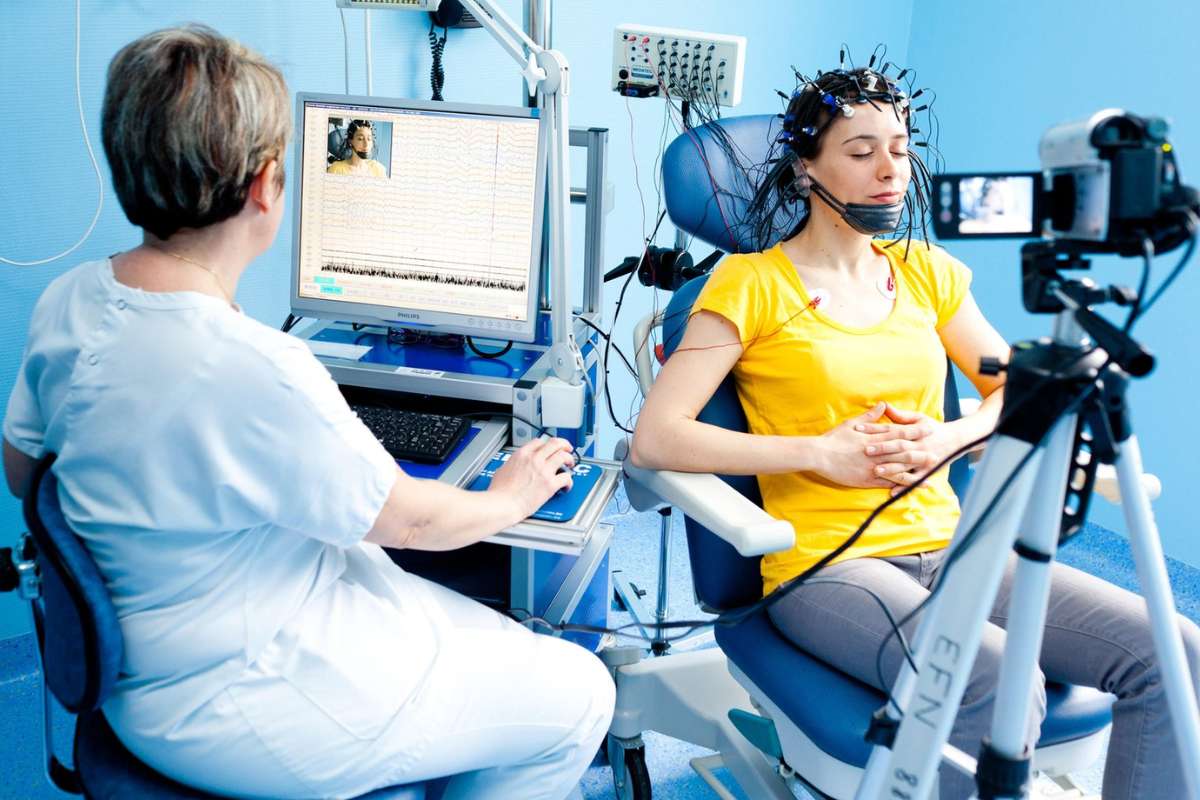
For years, EEG tests were isolated tasks, but today, they are part of a larger digital network. You might wonder, how is Philips influencing the EEG market? They are doing it by shifting focus from simple hardware to smart, connected ecosystems.
The value no longer lies solely in the sensor. It now depends on who can turn raw brain data into clear, useful insights for patient care. So let’s look at the trends defining this space in 2026.
What is Driving the Shift in Neurology Care and the Use of AI Tools in Hospitals?
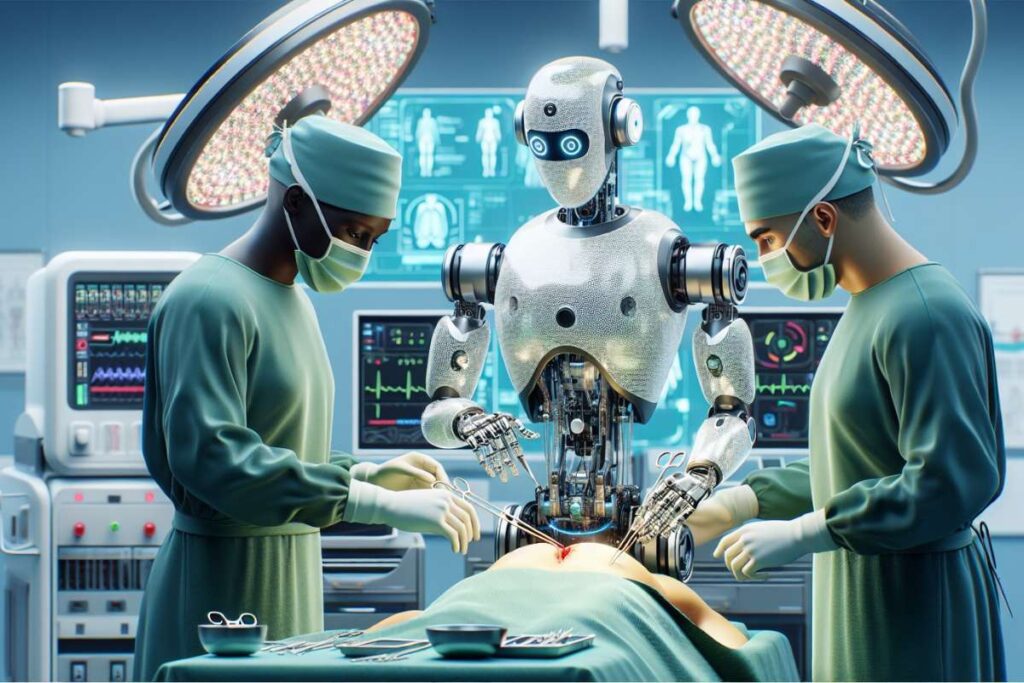
Beyond the numbers, the industry is moving in a clear direction. Hospitals are changing how they approach brain health because the old way of working no longer fits the needs of modern patients.
Three main forces are pushing this change:
- The Aging Population: We are seeing more patients with conditions like epilepsy and Alzheimer’s. This creates a high demand for tools that can track brain health over a long period rather than just a quick snapshot.
- The Move Toward Portable Tech: Doctors are no longer limited to the hospital bed. New, portable tools allow them to monitor patients at home. This helps keep patients comfortable while giving doctors the data they need to catch issues early.
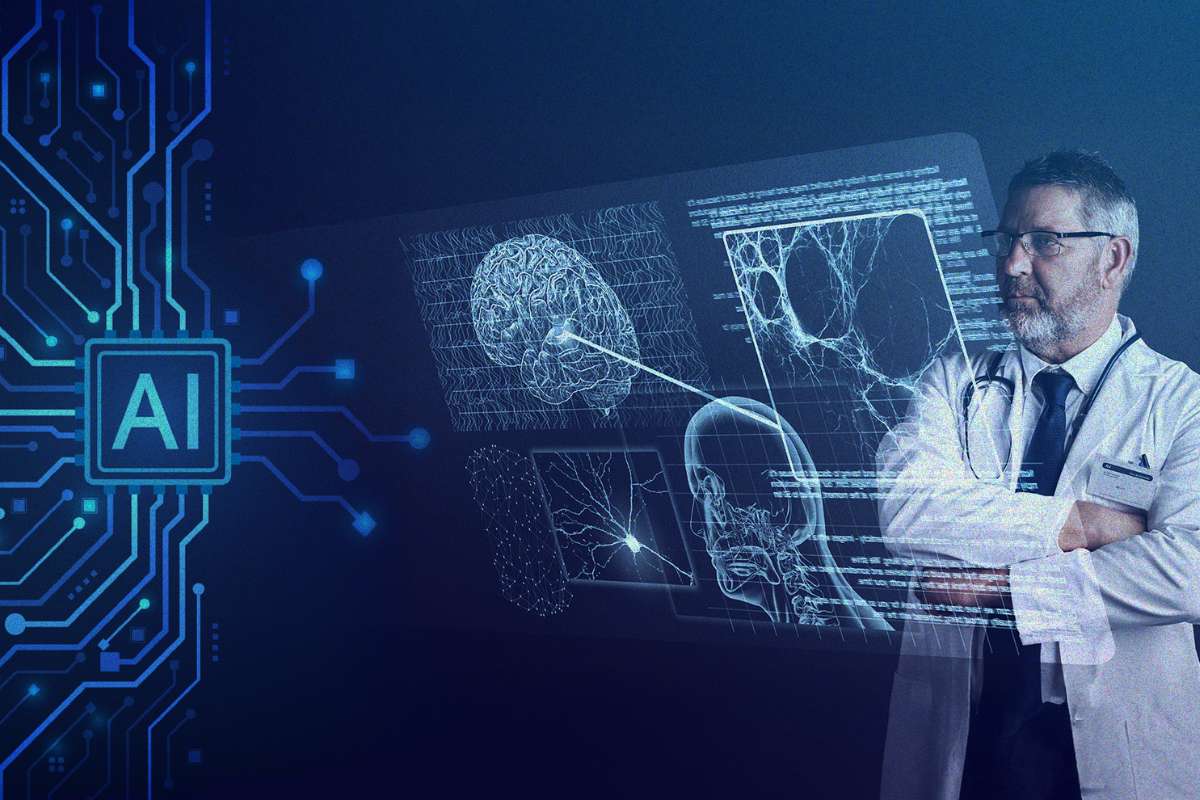
- The Rise of AI: Brain wave data is complex and takes time to read. AI acts as a helper, quickly sorting through recordings to find key signals. It does not replace the doctor; it simply helps them focus their time where it is needed most.
The most critical trend for hospital leadership is data integration. Healthcare systems want to stop using isolated black box devices. Instead, they are looking for systems that send data directly into their Electronic Health Records (EHR). By ensuring all patient information lives in one place, they can reduce errors and improve how teams share information across the clinic.
As hospitals look for partners who can solve these connectivity gaps, Philips is leading the charge by rethinking what a diagnostic tool should actually do.
How is Philips Influencing the EEG Market?
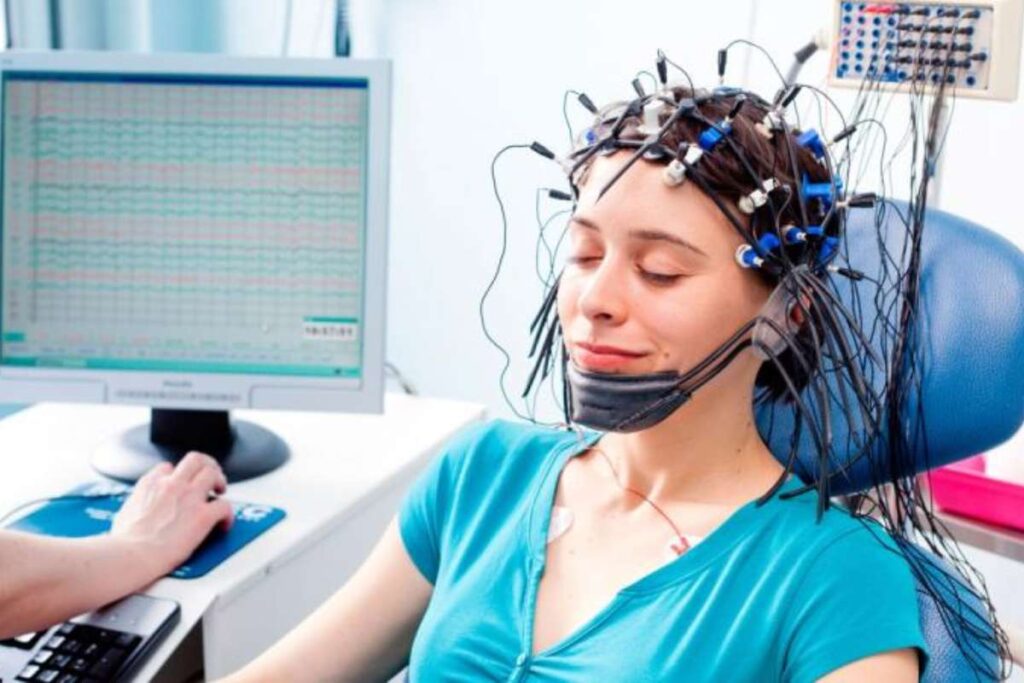
Philips has moved beyond selling just standalone EEG machines. Their real influence today comes from a platform play. Instead of providing a device that only works in one room, they offer an integrated ecosystem where neurological data can be viewed and analyzed alongside other patient vitals across the entire hospital network.
- From Hardware to Connected Health
- In the past, an EEG device was an island. It captured brain waves, but the data often stayed trapped on that specific machine or a single computer. Philips changed this by building their software into their HealthSuite platform.
This approach means that the often complex and difficult to read EEG data is now combined with:
- Imaging Data: Comparing brain scans with brain wave activity.
- Patient Monitoring: Seeing how heart rate or oxygen levels correlate with brain events in real-time.
- EHR Integration: Sending all findings directly into the Electronic Health Record so that any doctor in the system can see the results instantly.
- The Role of AI in Neurology
- One of the biggest pain points for neurology departments in brain health monitoring is the sheer amount of data. A single day of EEG monitoring produces hours of video and wave patterns.
Philips uses AI to act as a first pass reader. This technology automatically shows abnormal patterns or potential seizures. By doing this, the system helps clinicians:
- Save Time: Technicians spend less time manually scrolling through raw data.
- Improve Triage: Doctors can focus on the flagged sections first, ensuring urgent cases get attention faster.
- Reduce Errors: Automation provides a consistent baseline, reducing the chance that a human eye might miss a subtle pattern during a long shift.
This strategy solves two major business problems: staff burnout and resource waste.
When your neurology tools communicate with each other, your staff spends less time on data entry and more time on direct patient care. Furthermore, by choosing a vendor that provides an integrated operating system for the hospital, you reduce the need to buy and maintain dozens of different software programs.
Brain Health Monitoring: Old Approach vs. Philips Approach
To see how is Philips influencing the EEG market in practice, this table shows how its integrated approach changes daily hospital operations.
| Old EEG Approach | Feature | Philips Integrated Approach |
| Locked on the machine | Data Access | Available hospital-wide |
| High (manual review) | Review Time | Low (AI-assisted sorting) |
| Standalone (siloed) | Connectivity | Integrated with EHR and PACS |
| Limited to ICU/Lab | Care Setting | Connected from ICU to home |
How Should Healthcare Leaders Evaluate EEG Technology in 2026?
To build a modern neurology department, you need to focus on long-term value. Use this checklist when you evaluate your next purchase:
- Data Connection: Does the system send data to your Electronic Health Records (EHR) and other hospital software? Avoid devices that need manual entry or separate programs to view results.
- Future Growth: Can the system receive software and AI updates? As AI tools in hospitals become standard, you need to avoid buying hardware that will be outdated as soon as new software arrives.
- Remote Access: Can doctors review data safely from anywhere? Your team needs quick access to patient files, even when they are not in the hospital, to make the best decisions.
- A Strong Partner: Are you buying a simple product or a long-term service? Choose a company that offers ongoing updates, training, and support.
By choosing connected systems instead of isolated tools, you save time, reduce mistakes, and keep your brain health monitoring department ready for the future.
Conclusion:
Philips is redefining brain health technology. If you ask, ‘How is Philips influencing the EEG market?’, the answer is clear: they are shifting focus from hardware to smart, connected ecosystems. The strategy is simple. Move away from isolated devices and invest in platforms that support the next generation of AI tools in hospitals. This ensures your department stays efficient and delivers the best patient care.
Frequently Asked Questions
Is patient data secure in a connected health platform?
Yes. These platforms use high-level encryption and strict security measures to protect patient records, ensuring full compliance with global healthcare privacy laws and regulations.
Will my staff need extensive training to learn a new system?
Most modern platforms are built to be user-friendly. Philips focuses on intuitive dashboards, which help reduce the time your staff needs to spend learning the interface compared to older, complex systems.
Does an integrated EEG platform cost more than traditional hardware?
While the upfront investment can be higher, it often saves money over time. It reduces the need for multiple software licenses, cuts down on maintenance costs, and limits the time staff spend on manual data entry.
Sources: