Key Takeaways:
- Nvidia CEO Jensen Huang says Nvidia memory chip oversupply by 2029 is unlikely.
- He expects AI systems to keep driving memory demand in the coming years.
- Huang says he remains open to working with Chinese technology companies.
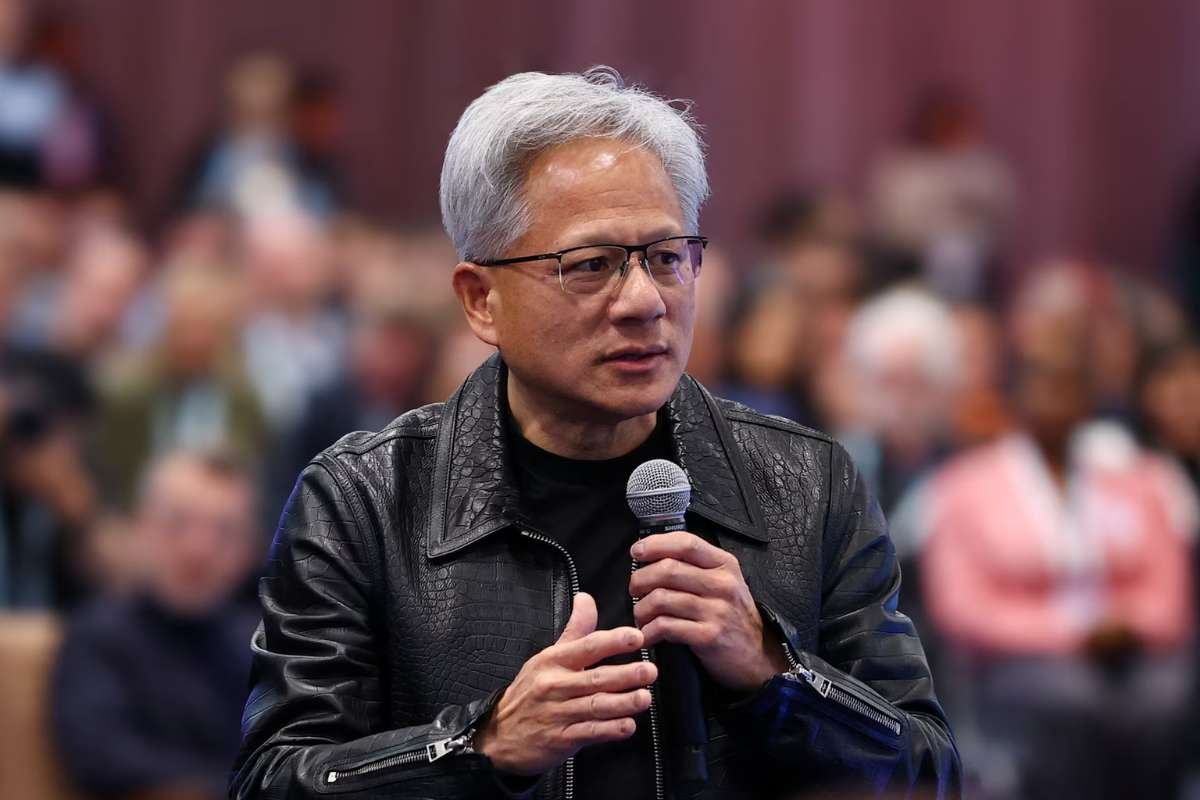
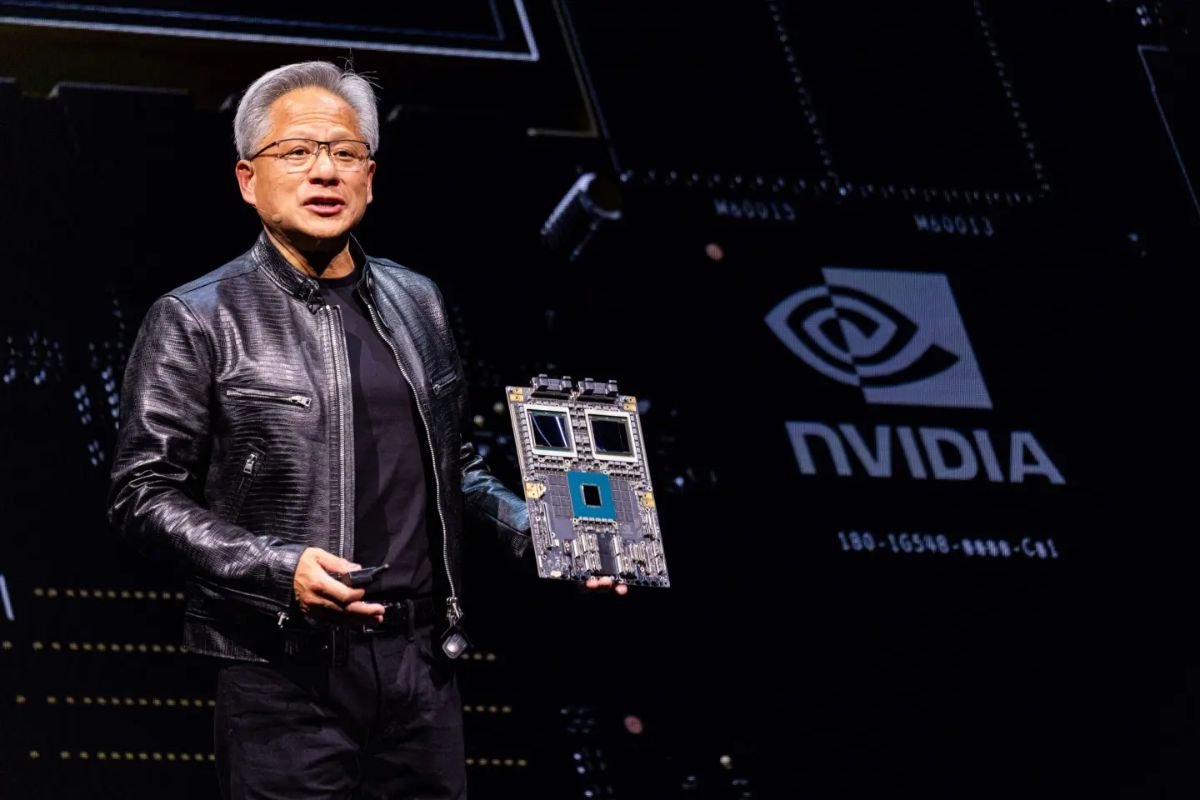
Nvidia CEO Jensen Huang said fears of a Nvidia memory chip oversupply by 2029 are premature, as AI systems will continue to drive memory demand.
NVIDIA memory chip oversupply fears dismissed by Jensen Huang
Speaking at GTC Berlin, Huang pushed back against fears that the market could soon have more memory chips than buyers need. He said growing use of AI will continue to increase demand for computing hardware.
Huang said computers and data centers can always make use of more memory as AI models handle larger and more complex tasks. He also said high-bandwidth memory, which helps move data quickly, will remain important for advanced computing for years to come.
Nvidia also uses a type of smartphone memory called LPDDR in its data centers. Huang said this design can deliver the same amount of work using half the energy compared with other options.
Memory stock selloff follows warning from South Korean experts
Concerns about a potential Nvidia memory chip oversupply contributed to sharp declines in memory chip stocks across global markets. The drop followed an opinion article published on October 15 in a major South Korean publication. Two industry experts warned that a surge in chip supply could leave the market with more memory than buyers need by 2029.
The warning raised fears that an Nvidia memory chip oversupply by 2029 could end the current period of strong growth and trigger a sharp industry downturn. Concerns also grew after Chinese company ChangXin Memory Technologies announced a new chip design. Investors worried that Chinese chipmakers could take market share from established companies such as Samsung and Micron.
Elon Musk responded to the article on social media, saying China would produce large amounts of RAM by 2028. Analysts are watching supply trends to assess how they could affect chip prices and company values.
Jensen Huang remains open to partnerships with Chinese firms
When asked about working with ChangXin Memory Technologies, Huang said he was open to the idea. He noted that Nvidia already works with Chinese companies as part of its global supply chain. He also praised China’s strength in making key technology components and infrastructure.
Huang said US export restrictions have pushed China to speed up its efforts to develop advanced chips. Washington limits the sale of some of the most advanced semiconductors to China. Despite these restrictions, Huang said US technology companies are ready to compete with rivals around the world.
Investors will be watching Nvidia memory chip oversupply risks, advances in chip production, and changes to export rules that could affect AI hardware prices and company valuations. These factors could affect chip prices and the value of companies that make AI hardware.