Key Takeaways:
- Goldman Sachs CEO warns artificial intelligence market exhibits greed over fear.
- Corporate adoption of artificial intelligence will progress more slowly than investors expect.
- Tech deals position the bank for its second-highest profitable fiscal year.
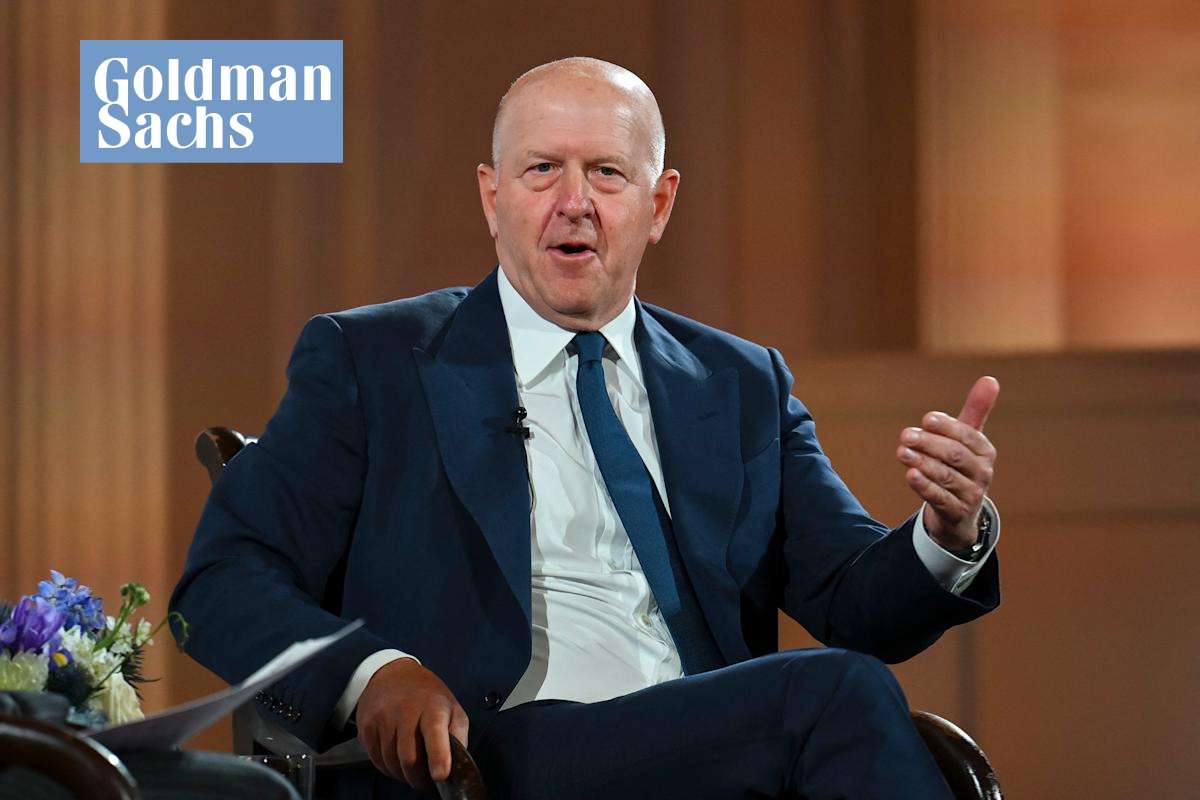
Goldman Sachs Chief Executive Officer David Solomon warned Tuesday that the booming artificial intelligence equity market currently exhibits more greed than fear, despite a massive influx of capital liquidity driven by widespread global optimism.
Speaking at an event hosted by the Economic Club of New York, Solomon addressed questions regarding the unprecedented volume of large-scale technology deals. He noted that ample market liquidity is sustaining these historic valuations, but cautioned that investor sentiment can rapidly reverse. While acknowledging the current market momentum, Solomon emphasized that corporate adoption of artificial intelligence tools will likely progress much more slowly than investors anticipate due to technological shifts and logistical costs.
Underneath the current market enthusiasm, Wall Street faces potential volatility if enterprise demand fails to align with vertical financial projections.
Bank Secures Major Technological IPO Deals
Goldman Sachs is leveraging the market momentum to secure leading roles in massive tech equity transactions, positioning the firm for its second-highest profitable year behind 2021. The firm’s investment banking division landed the coveted lead spot for the upcoming public listing of Elon Musk’s SpaceX. The rocket and satellite company plans to finalize the multi-bank offering next week to secure fresh capital aimed at accelerating its internal technology ambitions.
Additionally, the firm is acting as the private placement agent for an 80 billion dollar equity raise by Google parent Alphabet. Solomon described the transaction as the largest follow-on equity raise ever recorded in the financial markets, adding that early stock trading results provide an encouraging, concrete data point for capital raises of this scale.
The investment bank is also competing against rival institutions to secure lead advisory roles in the anticipated public offerings of leading model makers Anthropic and OpenAI. Anthropic filed its confidential paperwork on Monday, while rival OpenAI is actively advancing its own plans to list publicly later this year.
Corporate Adoption Faces Implementation Headwinds
Despite the heavy capital flows, Solomon stated that the long-term demand for computing infrastructure will not follow a perfectly straight trajectory due to shifting manufacturing and distribution expenses. He explained that corporate enterprises must ultimately purchase these computing services, but internal adaptations will happen gradually.
“Enterprises broadly will go slower at using AI, they will be slower to change, they will be slower to adapt than I think some of the current expectations,” Solomon said.
Operational usage will vary heavily across sectors based on profit margins. Higher-margin businesses possess the necessary financial flexibility to experiment extensively with technological integration. Conversely, lower-margin enterprises operate with fewer disposable resources and have less structural incentive to invest heavily in unproven digital upgrades.
Financial Analyst Forecasts Predict Record Profits
The surge in artificial intelligence investments and general market volatility has positioned the New York-based financial institution for a potentially historic fiscal year. Wall Street analysts expect the bank to surpass its previous benchmarks, trailing only its record-setting performance from five years ago.
According to financial data compiled by Bloomberg, the investment bank’s current trajectory follows a strong performance last year, when the firm raked in 17 billion dollars in total profits. The continuous stream of tech transactions provides a reliable buffer for the firm’s advisory revenue.
When pressed on how quickly the current technology boom could shift from greed to an environment of fear, Solomon maintained a measured perspective on the timeline.
“It can turn quickly,” Solomon said. “That doesn’t mean it will.”