BCI in Healthcare allows people to control computers and devices using brain signals alone. It is helping patients with paralysis, ALS, stroke, and speech loss regain communication and movement. This guide explains how the technology works, current medical uses, key benefits, challenges, ethical concerns, and future advances that may make brain-computer interfaces a standard part of healthcare.
Losing the ability to move or speak can change every part of a person’s life. Simple tasks like sending a message, moving a cursor, or asking for help may become very hard. For many patients with paralysis or severe brain injuries, even small actions can feel out of reach.
BCI in Healthcare is opening new ways to restore these abilities. BCI (brain-computer interface) reads signals from the brain and turns them into commands for a computer or other device. This allows patients to control technology without moving their muscles. For example, a person with paralysis may move a cursor on a screen just by thinking about the movement.
Doctors and researchers are using this technology to help people with paralysis, stroke, epilepsy, and speech loss. Some systems are worn on the head, while others are placed inside the body. As these tools improve, more hospitals are beginning to use them to restore movement, communication, and independence.
How Brain-Computer Interfaces Turn Thoughts Into Actions?
Your brain is always sending tiny electrical signals. These signals help you move, speak, and think. A brain-computer interface detects these signals and sends them to a computer.
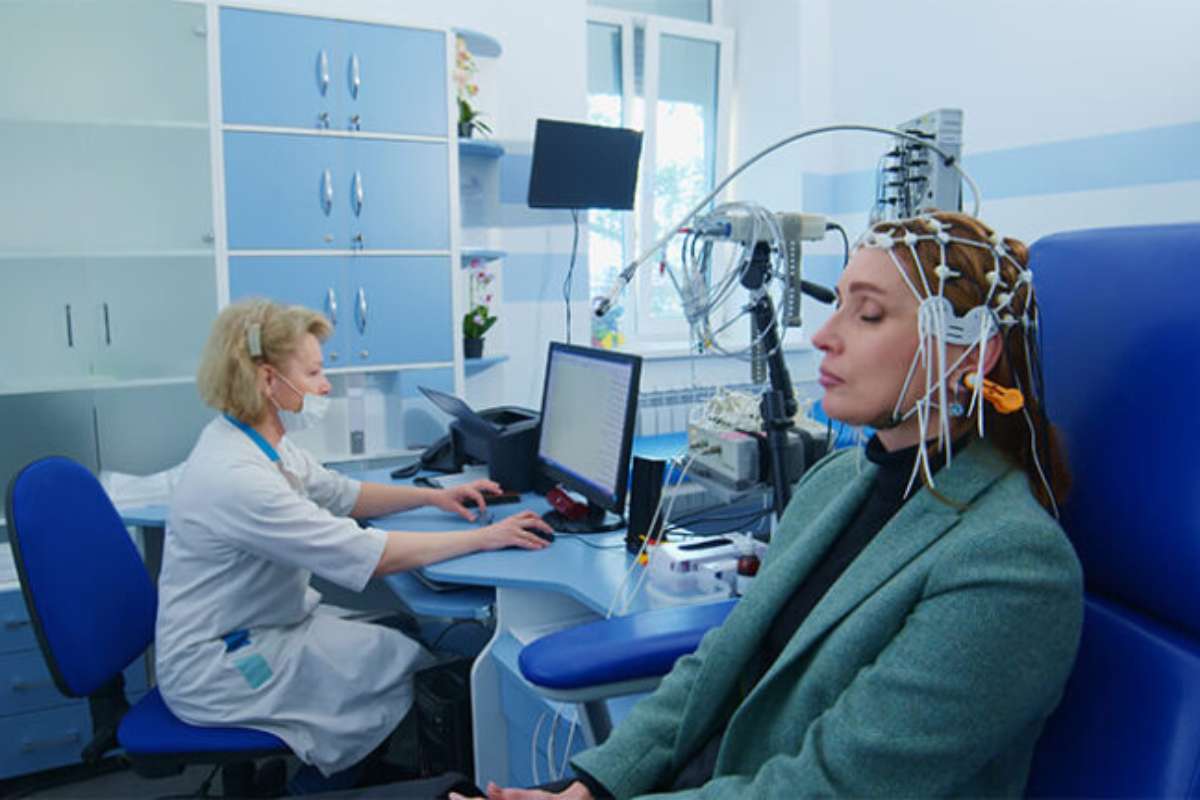
Some systems use electroencephalography, or EEG. EEG uses electrodes placed on the scalp to record brain activity. These systems are non-invasive, which means they do not require surgery. Other systems use implanted electrodes placed inside the brain. These devices can capture clearer signals from brain cells.
The computer looks for patterns linked to a specific thought, such as moving a hand or choosing a letter. It then turns that pattern into a command.
The command can control a cursor, robotic arm, wheelchair, or speech device. This allows a person to interact with technology using brain activity alone.
| Type | Where It Sits | Example Use |
| Non-invasive | On the scalp | Stroke therapy |
| Invasive | Inside the brain | Robotic arm control |
Both types of BCI systems serve different needs, but they share the same goal: helping patients regain movement, communication, and greater independence.
How BCI in Healthcare is Helping Patients Today?
BCI in Healthcare is already helping people with serious neurological conditions regain important abilities. In research hospitals and clinical studies, these systems are allowing patients to communicate, move devices, and take part in rehabilitation.
- Paralysis and spinal cord injury: People can move a cursor, type words, or control a robotic arm using brain signals alone. In some studies, patients who had been unable to move for years completed simple tasks just by thinking about the action they wanted to perform.
- ALS and locked-in syndrome: Patients who cannot speak or move can use BCI systems to communicate. The technology can help them select letters, form words, and share their needs with caregivers and family members.
- Stroke rehabilitation: Patients practice imagining movements while the system provides feedback to support recovery. This may help strengthen the brain pathways involved in moving the affected arm or leg.
- Prosthetic limb control: Brain signals can help control an artificial hand or arm. This allows users to grasp objects and perform basic daily tasks with greater independence.
- Speech disorders: Some systems convert brain activity into text or computer-generated speech. This offers a new communication option for people who have lost the ability to talk.
- Epilepsy monitoring: Doctors can study brain activity to better understand and manage seizures. This information can help guide diagnosis by doctors and offer better treatment decisions.
Some participants in clinical studies have typed on a computer or moved a robotic arm years after losing movement. Massachusetts General Hospital is also researching how these systems can be used in patient care.
How BCI in Healthcare is Transforming Rehabilitation?
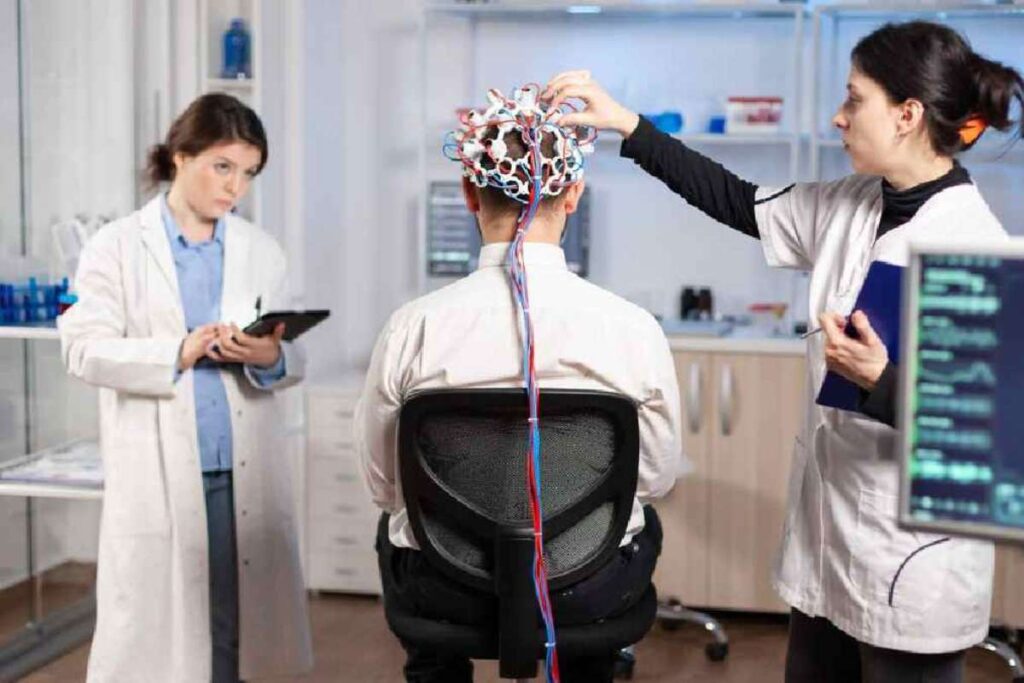
Recovery often depends on repeating the right movements. BCI technology gives patients a new way to practice those movements, even when their muscles are weak. Researchers are studying this approach in people with stroke, traumatic brain injury, and spinal cord injury.
1. Reconnecting the Brain and Muscles
After an injury, the brain may still send signals that tell the body to move. A BCI detects these signals and helps connect them to physical actions. This gives patients a way to practice movement even when their muscles respond poorly.
2. Practicing Movement Through Mental Training
During therapy, patients imagine moving a weak hand, arm, or leg. This activates the same brain areas used during real movement. Repeating this process may help strengthen the pathways involved in motor control.
3. Combining BCI With Electrical Stimulation
Some rehabilitation programs send small electrical pulses to weakened muscles at the same time the BCI detects the movement signal. This pairs brain activity with muscle contraction and may support better recovery.
When used along with physical and occupational therapy, this approach may improve movement, coordination, and independence. While results vary from person to person, it offers a promising new tool for rehabilitation.
Key Trends Driving BCI in Healthcare Growth
BCI in Healthcare is growing quickly as the technology becomes smaller, safer, and easier to use. What once required large research equipment can now be done with more practical systems that are better suited for hospitals and even home use.
| Trend | What is Changing? | How Does it Help? |
| Better sensors | Devices can pick up brain signals more clearly | Doctors get more reliable results |
| Smaller and wireless devices | Systems are becoming lighter and use fewer cables | Patients are more comfortable during use |
| FDA breakthrough designations | Some devices are moving through the review process faster | Promising treatments may reach patients sooner |
| Growing investment | More companies and research groups are funding this work | New ideas can be tested and developed |
| More clinical trials | More patients are taking part in medical studies | Doctors learn what works best and what is safe |
Demand is also rising because more people are living with stroke, ALS, and other neurological conditions. Aging populations are increasing the need for rehabilitation and assistive tools.
Non-invasive systems worn on the scalp are becoming easier to set up at home, which may allow more patients to use BCI technology outside the hospital.
Benefits of BCI in Healthcare for Patients and Providers
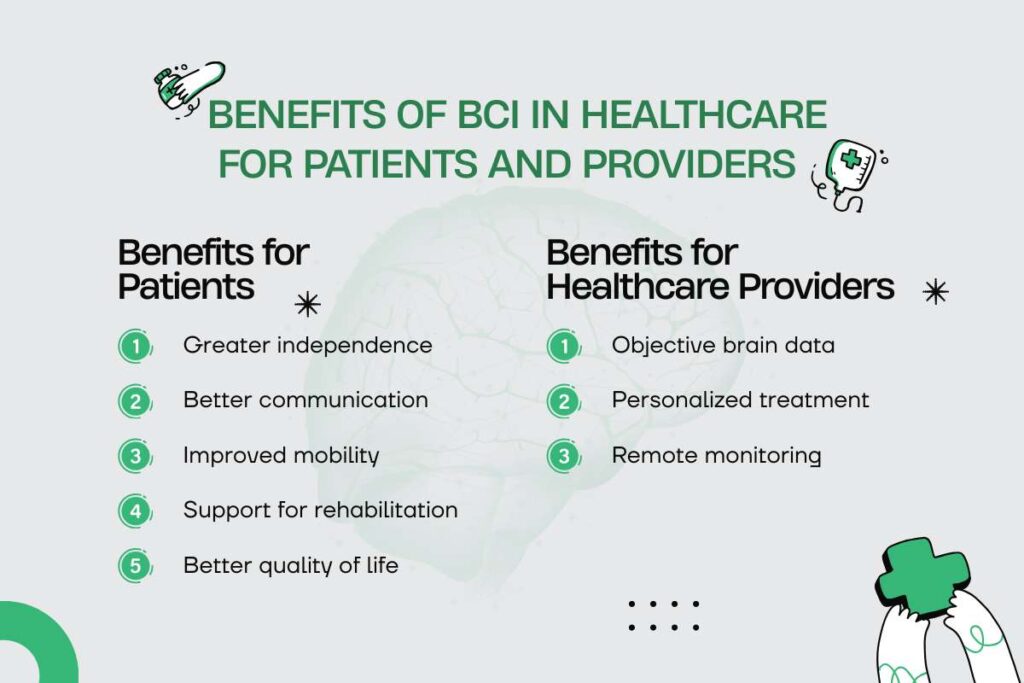
BCI in Healthcare offers practical benefits for both patients and healthcare providers. It can restore important abilities while also giving clinicians useful information to guide treatment.
Benefits for Patients
- Greater independence: Patients may control a computer, wheelchair, or other assistive device using brain signals. This can help them perform daily tasks with less reliance on caregivers.
- Better communication: People who cannot speak may use BCI systems to type words or generate speech. This allows them to express their needs and interact with others more easily.
- Improved mobility: Some systems help users control robotic arms or prosthetic limbs. This can make simple actions like reaching and grasping possible again.
- Support for rehabilitation: Brain-based training may strengthen the pathways involved in movement recovery. Over time, this may improve coordination and function.
- Better quality of life: Regaining movement or communication can reduce frustration and increase confidence. Many patients feel more connected and in control.
Benefits for Healthcare Providers
- Objective brain data: Clinicians can see whether the brain is producing the expected signals during therapy. This gives them a clearer picture of how the patient is responding.
- Personalized treatment: Therapy can be adjusted based on each patient’s brain activity and progress. This helps focus treatment on what works best.
- Remote monitoring: Some systems can collect data while patients use them at home. This allows providers to track progress between clinic visits.
BCI data can also show whether a patient is mentally engaged during therapy. This helps therapists know if the exercises are activating the right parts of the brain.
Challenges and Ethical Concerns in BCI in Healthcare
BCI in Healthcare offers exciting possibilities, but several practical and ethical issues still need to be addressed before these systems can be used widely.
Practical Challenges
- High cost: Advanced BCI systems can be expensive to develop, implant, and maintain. This may put them out of reach for many patients and healthcare centers.
- Limited access: Most systems are still available only in research hospitals and specialized clinics. Many patients do not yet have access to this technology.
- Device maintenance: Electrodes, batteries, and software require regular monitoring and updates. Implanted systems may also need long-term medical follow-up.
- Need for trained specialists: Successful use often depends on neurologists, surgeons, engineers, and rehabilitation therapists working together.
- Signal accuracy issues: Brain signals can vary from day to day. Noise and weak signals may reduce performance and reliability.
Ethical Concerns
- Brain data privacy: Brain activity data is highly personal. Hospitals must protect it just like other medical records and restrict who can access it.
- Informed consent: Patients should clearly understand the risks, benefits, and limits of the technology before treatment begins.
- Cybersecurity: Connected devices may be vulnerable to unauthorized access if strong security measures are not in place.
- Long-term safety: Researchers are still studying how implanted systems perform over many years.
- Equal access: As the technology develops, it will be important to ensure that benefits are available to a broad range of patients.
Another important question is who owns the brain data collected by these systems. Clear policies will be needed to protect patient rights and build trust.
The Future of BCI in Healthcare Over the Next Decade
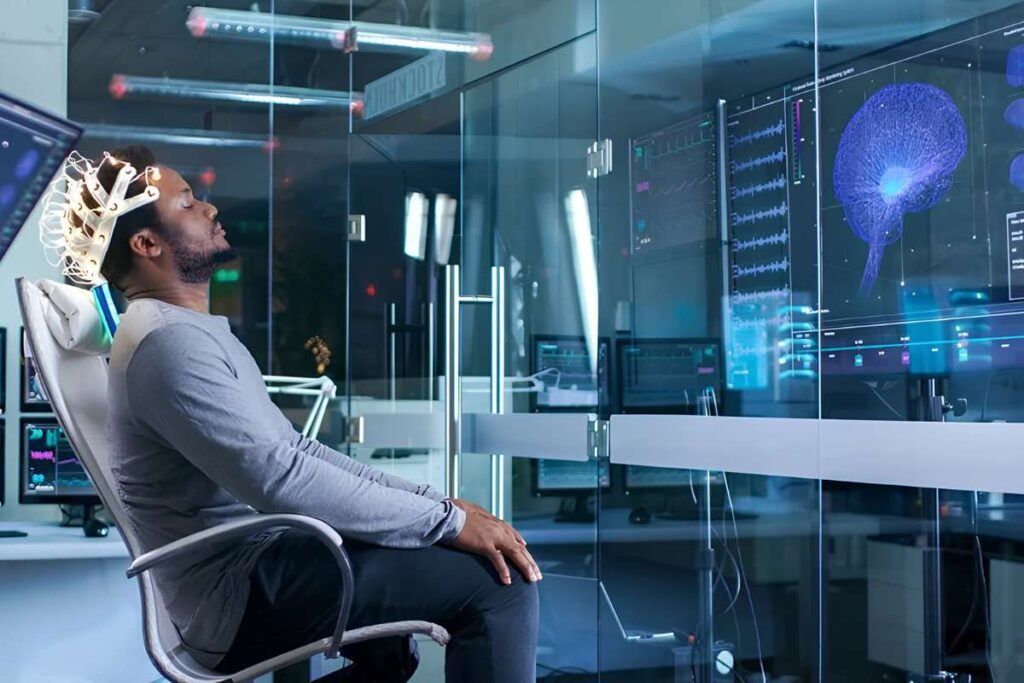
BCI in Healthcare is expected to become more practical and more widely available over the next ten years. As devices improve, they may help more patients regain communication, movement, and independence.
One of the most promising advances is thought-to-speech technology. These systems can turn brain signals into a synthetic voice in near real time. In a 2023 study published in the journal Nature, a woman with ALS used a speech BCI to communicate at 62 words per minute. This was more than three times faster than earlier systems and brought the technology closer to natural conversation.
Researchers are also improving control of robotic arms, prosthetic limbs, and brain-controlled wheelchairs. In rehabilitation, more patients may use non-invasive devices at home to continue therapy between clinic visits. Scientists are also studying whether BCI technology could help treat conditions such as depression and chronic pain.
As devices become smaller, faster, and easier to use, costs may gradually decline. With more regulatory approvals, hospitals are likely to adopt BCI systems more widely in the years ahead.
Frequently Asked Questions
Is BCI technology safe for healthcare use?
Yes. Non-invasive systems are usually low risk. Implanted systems require surgery and need close medical monitoring over time.
What are the latest advancements in BCI systems?
New systems can help patients type, generate speech, and control robotic devices using brain activity alone.
How will BCI technology impact the future of healthcare?
It may improve rehabilitation, restore communication, and help people with paralysis live more independently.
Can BCI help people who cannot speak?
Yes. Some systems convert brain signals into text or a synthetic voice in near real time.
Is BCI available in hospitals today?
Some systems are used in research hospitals and specialized clinics, while broader clinical use is still expanding.