Key Takeaways:
- The Bill Gates AI job warning highlights how artificial intelligence could reshape the job market over the next two decades.
- The Microsoft co-founder believes AI could eventually make goods and services cheaper and more widely available.
- Both office jobs and physical jobs could face growing risks as AI and robots take on more tasks.
The Bill Gates AI job warning highlights how artificial intelligence (AI) could bring major changes to the job market over the next 20 years before helping create greater economic abundance for society.
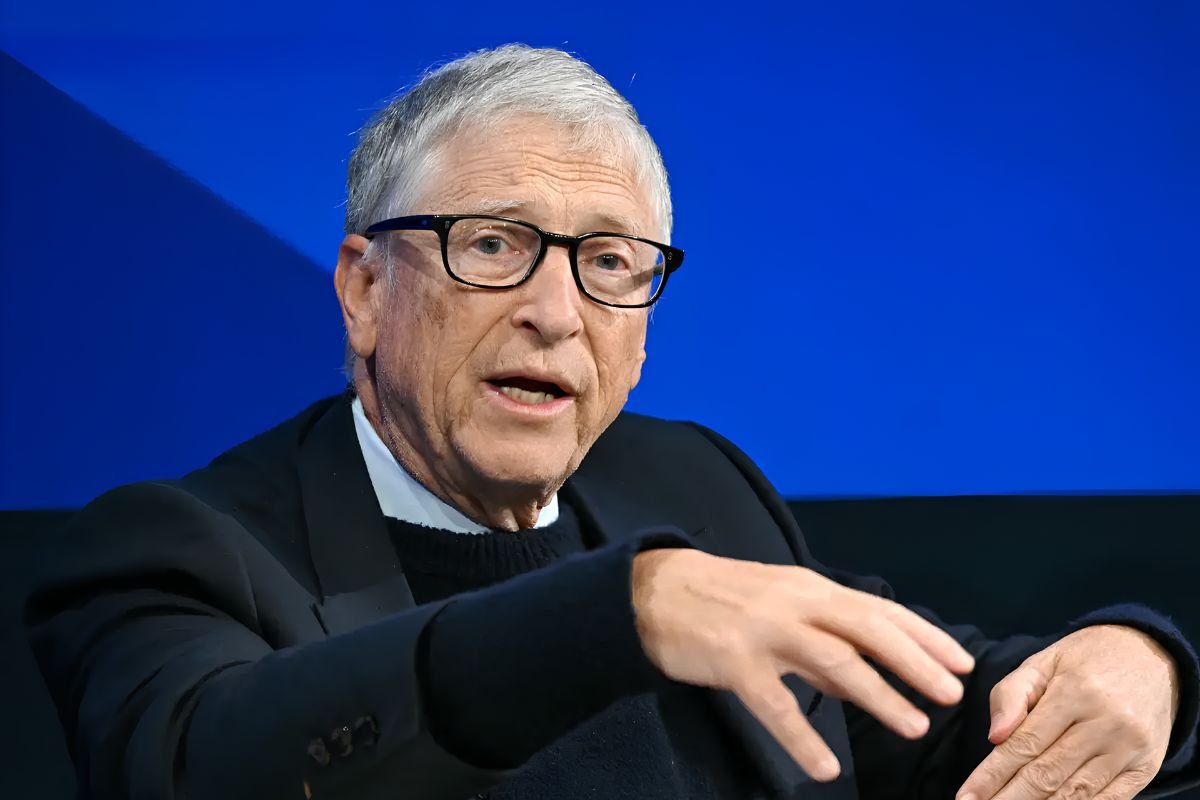
Bill Gates AI job warning: two decades of disruption
The Bill Gates AI job warning focuses on how AI and robotics could cause widespread changes in employment. He warned that the next 20 years could be one of the most turbulent periods in human history. He explained that companies have a financial incentive to automate work because technology can perform some tasks faster and at a lower cost.
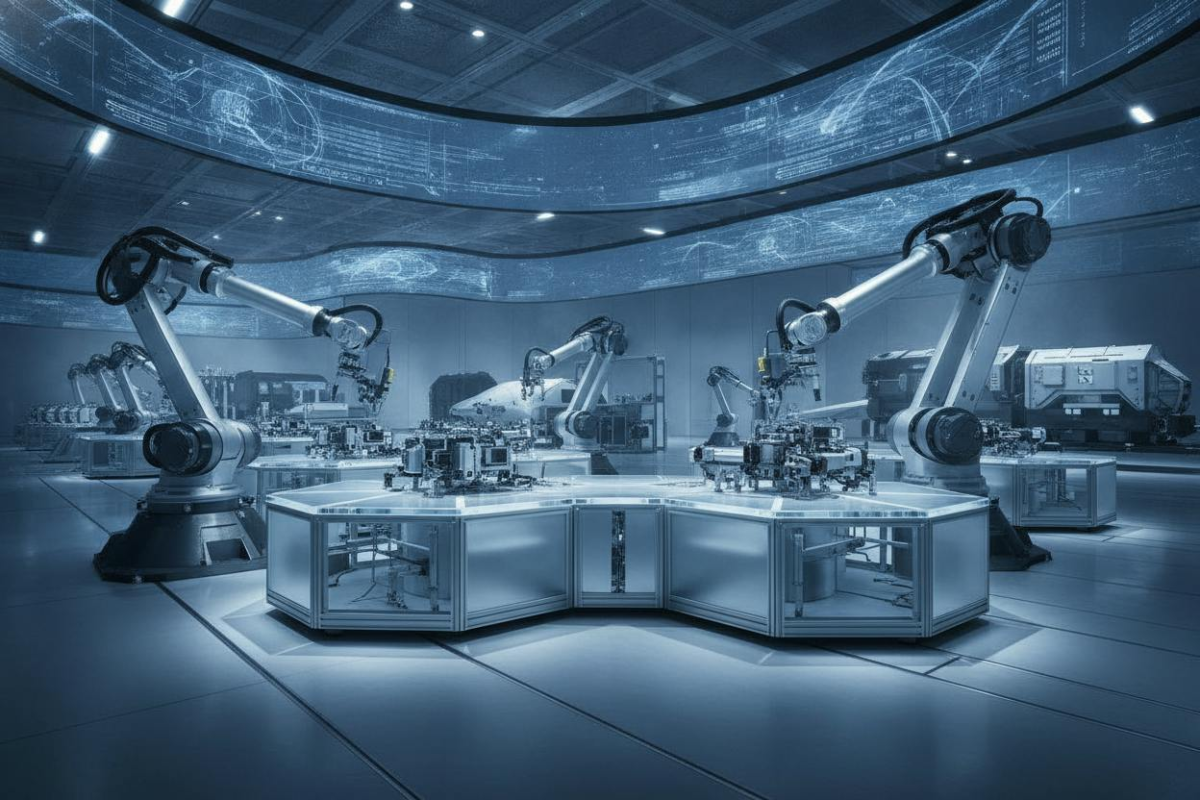
Gates said office jobs such as accounting, telesales, and customer support could be among the first to face automation. Physical jobs could also be affected as advanced human-like robots take on manual tasks. In the future, robots could help build houses, grow food, and perform complex surgeries.
Despite these concerns, Gates believes the changes could eventually make goods and services cheaper and more accessible to more people. However, he remains concerned about how society will manage the transition over the next two decades.
Tech leaders debate how AI will affect jobs
Other technology leaders have shared different views on how AI could affect employment. Anthropic CEO Dario Amodei warned that rapid AI development could cause an unusually severe short-term shock to the job market. However, he also agreed that the technology could eventually improve living standards worldwide.
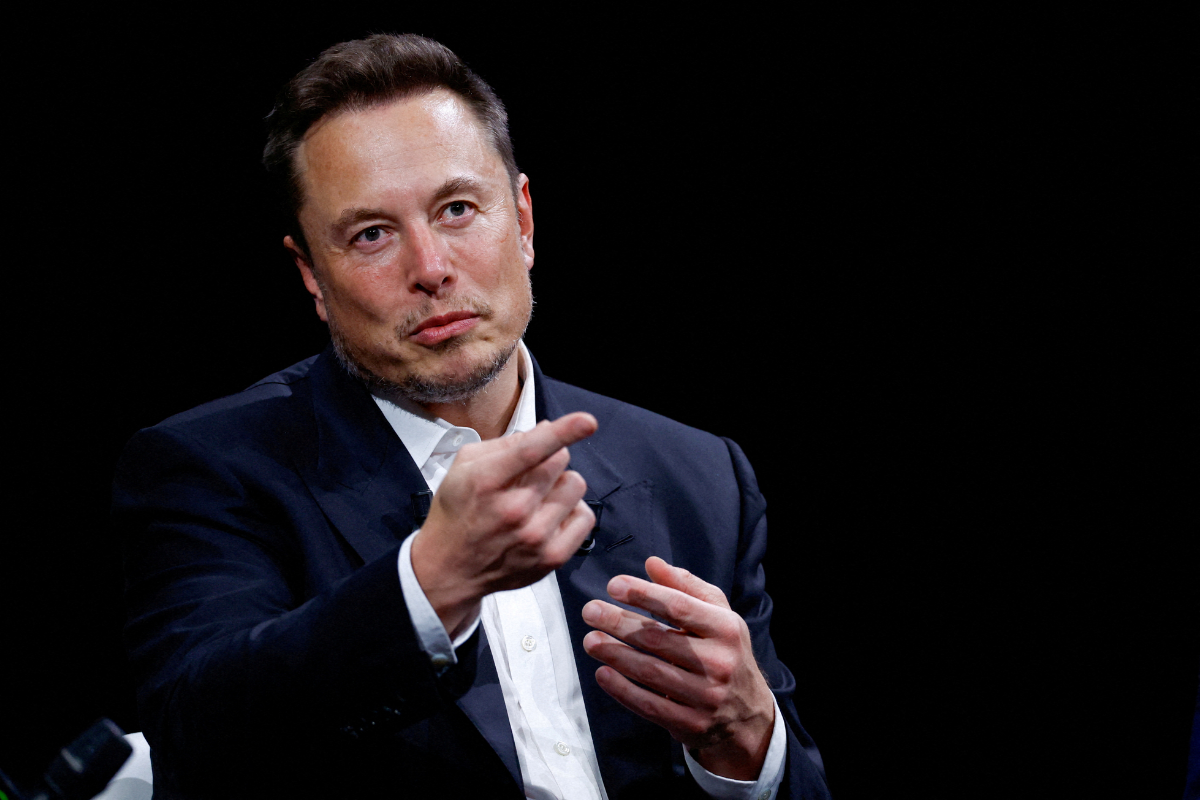
Tesla CEO Elon Musk has suggested that work could eventually become optional for people. OpenAI CEO Sam Altman has offered a different view, saying he is less convinced that AI will cause a major job crisis after seeing slower-than-expected job losses.
Business leaders such as Amazon founder Jeff Bezos and JPMorgan CEO Jamie Dimon have suggested shorter workweeks as one possible response to job losses caused by technology. Business observers continue to assess these different views as AI becomes more capable and spreads across industries.
Governments prepare for changes to the economy
Gates said governments must prepare for major changes in education and job training. He explained that tax policies and income support systems may need updates as automation changes how companies operate and how governments collect revenue.
Job losses could also affect people’s mental well-being and social lives. Gates noted that work gives people a sense of purpose, daily structure, and opportunities to connect with others. Without proper planning, widespread job losses could harm communities before the economic benefits of AI become clear.
Governments are considering different ways to manage these changes. Possible measures include changing taxes on companies that use AI and introducing shorter workweeks to help protect jobs.