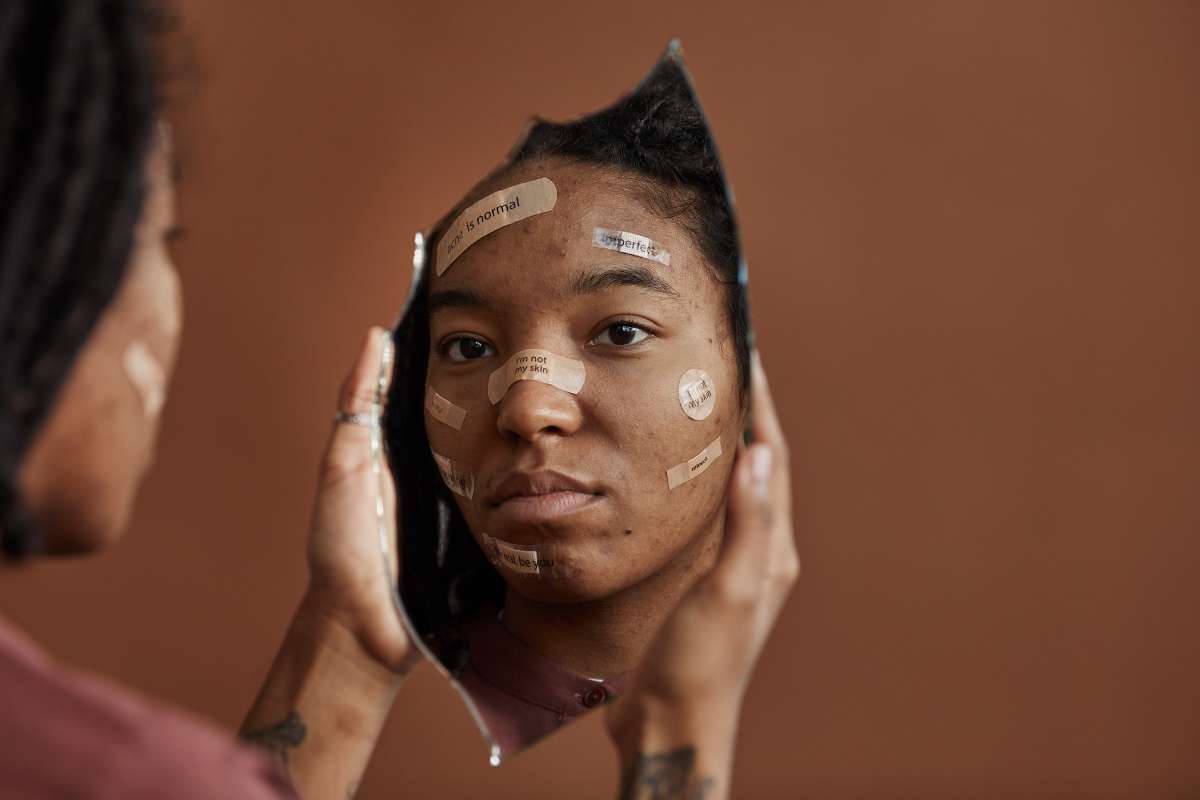
Many people talk about confidence today, yet many still struggle quietly with self-worth. You often hear the term’ signs of low self-esteem,’ but most people do not realise how subtle these patterns can be. They develop slowly, slip into routines, and become part of daily life without raising any alarms.
As we move closer to 2026, conversations on mental health have become more open, and people rely on online communities, therapy platforms, and long-form videos to understand their emotions better. Even with this progress, many still struggle to connect their feelings to real behaviour. This is why signs of low self-esteem require more in-depth attention, particularly when they manifest in work, relationships, and personal habits.
If you have ever sensed that something in your confidence feels out of place, or someone you know seems weighed down by self-doubt, learning these signs can make a meaningful difference. In this article, you will find a clear guide to help you better understand the topic.
Why It Matters?
Low self-esteem affects far more than how a person feels. In 2026, mental health studies show that young adults and working professionals report higher levels of self-criticism, comparison, and emotional fatigue. Social media pressure, productivity expectations, and uncertainty in career paths have made people judge themselves more harshly than ever.
When self-esteem takes a hit, people pull back from opportunities. They stop sharing ideas, avoid expressing needs, and hold onto fears of rejection. Over time, this impacts friendships, work performance, financial decisions, and even physical health. Understanding the signs of low self esteem helps you identify patterns early and respond with care, rather than confusion and uncertainty.
It also alleviates the guilt that often accompanies these feelings. Instead of labelling yourself as weak or unmotivated, you begin to see the underlying emotional reasons. This awareness helps break old cycles and creates space for healthier behaviors to emerge.
Here are the 3 Signs of Low Self-Esteem
The Signs tend to appear across thoughts, habits, and emotional reactions. These patterns develop slowly, which is why many people overlook them until they begin to interfere with their daily life. The following three sections provide more detailed explanations to help you identify these signs clearly.
1. Internal Signs

Internal signs deal with the thoughts that people rarely express out loud. They stay hidden but influence every decision, reaction, and belief a person carries about themselves.
→ Constant self-doubt
Self-doubt becomes the default response to almost everything. A person may question their abilities even in areas where they have experience. They may reconsider simple choices, such as sending a message, speaking in a meeting, or taking on a new responsibility. This doubt drains focus and makes daily life feel slow and heavy. Instead of trusting their judgement, they keep seeking reassurance because they fear making the wrong move. Over time, this weakens confidence and makes growth feel risky.
→ Negative self-talk
The internal voice becomes firm and critical. A person may call themselves careless, unattractive, or unworthy of respect, even without evidence. This creates a loop where every setback is used as proof that they are not good enough. The worst part is that this self-talk becomes familiar. They stop noticing how often they insult themselves mentally. This pattern becomes one of the strongest signs of low self esteem because it influences everything else, including how they handle conflict, rejection, and stress.
→ Difficulty accepting compliments
When someone with low self-esteem receives a compliment, they often assume the person is being polite or exaggerating. They may respond by dismissing the praise or pointing out something they did wrong. This happens because they do not see the quality that others appreciate. The compliment feels unreal or undeserved. Over time, they begin to expect criticism more than appreciation, which further damages their sense of worth.
→ Overthinking social interactions
People replay conversations in their mind repeatedly, analysing every word they said. They fear they may have sounded rude, strange, or uninteresting. Even harmless comments feel loaded with hidden meaning. This creates anxiety around meeting new people or speaking in groups. They may start avoiding interactions because the mental replay afterward feels overwhelming.
These internal patterns reveal how the signs of low self esteem gradually weaken confidence long before any outward behavior becomes noticeable.
2. Behavioural Signs
These signs become visible to the people around you. They show up in actions, decisions, and interpersonal patterns. Behaviour often reveals what a person cannot express aloud.
→ Avoidance of challenges
Someone with low self-esteem tends to pull back from opportunities that involve responsibility or attention. They might decline projects, avoid applying for better jobs, or stay silent when they have ideas. They choose the safer path because failure feels unbearable. Even when they know they are capable, the fear of disappointing others holds them back. This constant avoidance slows growth and creates frustration because they feel stuck watching others move forward.
→ People-pleasing tendencies
They often say yes even when they want to say no. They adjust their needs to make others comfortable because they fear disappointing anyone. This leads to burnout and resentment, but they continue because they believe saying no will push people away. People-pleasing becomes one of the most common signs of low self esteem, especially in friendships and relationships, because they assume their value depends on how useful or agreeable they are perceived to be.
→ Dependence on approval
A person may rely deeply on praise to feel good about themselves. A positive comment instantly boosts their mood, but even light criticism can leave them stressed for days. They may constantly check how others perceive them, adjusting their behaviour to maintain approval. This emotional dependency makes relationships uneven and tiring because their confidence depends on external reactions rather than personal belief.
→ Staying in unhealthy relationships
Someone with low self-esteem may tolerate poor treatment because they believe they cannot find better. They may stay with partners or friends who disrespect them, simply because the thought of being alone feels worse. They fear abandonment more than they fear being unhappy. This creates a cycle where their self-worth continues to decline, making it harder for them to leave the situation.
These behavioural patterns make the signs of low self esteem noticeable to others and often serve as the first indicators that someone needs support.
3. Emotional Signs

Emotional signs reveal how low self-esteem affects a person’s inner stability and reactions to stress.
→ Frequent guilt
People with low self-esteem often feel responsible for things that are not their fault. They apologise constantly and assume they caused harm even when the situation is neutral. This can lead to emotional exhaustion and make social interactions feel stressful. They struggle to believe that mistakes are typical and instead view them as reflections of their worth.
→ Fear of judgment
They may enter situations already expecting rejection. This fear makes them overly cautious with their words and actions. Even small interactions feel like tests they must pass. They worry that being their whole self will annoy or disappoint others. This fear becomes stronger in social gatherings, classrooms, and workplaces, making it hard to relax or express oneself genuinely.
→ Emotional sensitivity
Because their sense of self is fragile, they react quickly to negative comments. Even casual jokes or harmless feedback can cause significant harm. They may withdraw after criticism or replay the comment long after the interaction has taken place. This sensitivity comes not from weakness but from years of feeling inadequate and trying to avoid further pain.
→ Long periods of sadness or frustration
People may feel emotionally drained without an apparent reason. They may lose interest in activities, feel disconnected, or experience bursts of irritation. These moods come from the constant mental pressure of not feeling good enough. When these emotions persist for weeks, they can significantly impact motivation, relationships, and overall well-being.
These emotional indicators reflect how the signs of low self esteem influence mental health every day, often without the person realising how strongly these patterns have taken hold.
The Impact
Low self-esteem influences many parts of daily life. In workplaces, it limits performance. People hesitate to apply for better roles, stop contributing ideas, and feel threatened by feedback. This makes career progress more draining than it needs to be.
In relationships, low self-esteem often leads to insecurity. A person may assume their partner will leave them, or they may struggle to set healthy boundaries. This leads to misunderstandings and emotional distance.
For students, it affects long-term goals. They avoid leadership roles, hesitate to explore new interests, and feel unsafe expressing their strengths.
In 2026, with rising social comparison and heightened pressure to achieve early success, these impacts are becoming more common. Recognising the signs of low self esteem helps address these issues before they become long-term patterns.
Causes
Low self-esteem does not come from one single source. It usually develops over the years through repeated experiences.
- Early criticism or strict upbringing: Children who grow up with harsh feedback learn to doubt themselves. This continues into adulthood.
- Bullying or humiliation: Memories of bullying affect confidence for a long time, even when the person has outgrown the environment.
- Social comparison: Constant exposure to filtered online lives leads people to judge themselves harshly. This is one of the leading causes of low self-esteem in 2026.
- Trauma or rejection: Any form of emotional hurt affects how a person sees themselves. If the pain is not addressed, it becomes part of their identity.
- Chronic stress: Long periods of stress can leave people feeling ineffective and drained. This slowly reduces confidence and self-worth.
Understanding these causes supports better healing and helps reduce future signs of low self esteem.
Physical and Lifestyle Indicators

Low self-esteem also affects the body and habits. These signs often go unnoticed because people assume they are unrelated to confidence.
- Poor posture: People with low self-esteem often slouch their shoulders. This position reflects insecurity and also affects breathing and energy levels.
- Sleep disturbances: Overthinking makes it hard to sleep. A person may stay awake replaying conversations or worrying about future mistakes. Poor sleep then increases anxiety and reduces focus.
- Irregular eating patterns: Some people lose their appetite when they feel low, while others eat for comfort. Both patterns reflect emotional strain.
- Lack of self-care: They may avoid grooming, delay appointments, or stop maintaining routines. This is not due to laziness but rather a belief that they do not deserve care.
- Low physical energy: The emotional weight of low self-esteem drains motivation. Even simple tasks feel tiring.
Each of these physical and lifestyle indicators reinforces the broader signs of low self esteem, underscoring how profoundly it can impact overall well-being.
Conclusion
Low self-esteem is more than a passing mood. It affects thoughts, actions, relationships, physical health, and long-term goals. Recognising these patterns early helps prevent deeper emotional harm. The signs of low self esteem described above are common; however, they can be addressed through awareness, professional support, healthy routines, and honest conversations.
As mental health discussions continue to gain momentum through 2026, it becomes easier for people to seek help without fear of judgment. By understanding these signs, you can support yourself and others with better clarity.