Key Points:
- Anthropic secured a record $30B funding round, boosting its valuation to $380B and fueling the expansion of its AI platform Claude.
- Elon Musk publicly criticized Anthropic’s AI for alleged bias, intensifying the rivalry between his xAI and Anthropic.
- The massive raise highlights escalating competition in generative AI, where enterprise adoption, safety, and governance are under sharp scrutiny.
Artificial intelligence startup Anthropic has closed a historic $30 billion Series G funding round, pushing its post-money valuation to an estimated $380 billion. The deal marks one of the largest private capital raises in the technology sector to date and underscores the relentless investor appetite for advanced AI platforms.
The fresh capital is expected to accelerate research, expand global infrastructure, and strengthen enterprise-focused AI offerings. Anthropic’s flagship AI system, Claude, has gained significant traction among corporate clients and developers seeking large language models tailored for professional applications. The company has reportedly witnessed rapid revenue growth, fueled by enterprise adoption and demand for high-performance AI tools in coding, analytics, automation, and content generation.
Executives at the company have positioned the funding as a pivotal step toward building more capable and reliable AI systems. With compute-intensive development costs rising sharply across the industry, the new investment provides Anthropic with substantial firepower to compete aggressively in the global AI race.
The funding round also reflects broader momentum in generative AI, where multi-billion-dollar valuations have become increasingly common amid strong demand for scalable AI infrastructure and enterprise-ready models.
Elon Musk’s Public Criticism Sparks Debate
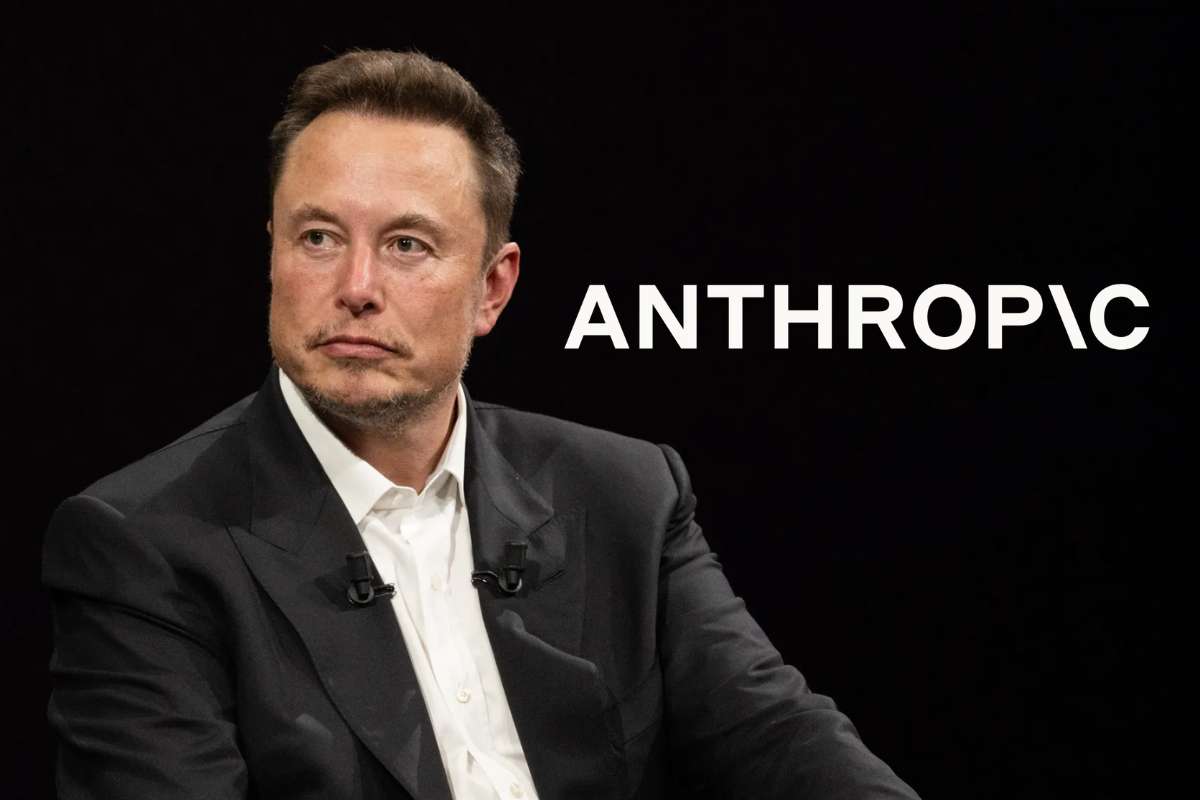
Soon after the funding announcement, billionaire entrepreneur Elon Musk publicly criticized Anthropic and its AI systems on social media platform X. Musk alleged that the company’s AI exhibited bias against certain demographic groups and described the behavior as “misanthropic and evil,” urging the firm to address what he characterized as systemic issues in its outputs.
His remarks quickly drew widespread attention, igniting debate across the technology community. Supporters echoed concerns about potential bias in AI systems, while critics questioned Musk’s framing and pointed to the broader challenges of building neutral and safe AI models.
The criticism also carries competitive undertones. Elon Musk is the founder of xAI, whose chatbot Grok operates within the X ecosystem. As both companies pursue dominance in generative AI, tensions between leading figures in the industry have become increasingly visible.
While Anthropic has positioned itself as safety-focused and research-driven, Musk has frequently advocated for what he describes as transparency and ideological neutrality in AI systems. The clash underscores growing philosophical divides about how advanced AI should be trained, moderated, and deployed at scale.
AI Rivalry Intensifies Across the Industry
Anthropic’s massive capital raise and Elon Musk’s sharp critique highlight the escalating competition among AI leaders. Companies such as OpenAI, Google, and Microsoft are simultaneously investing billions into infrastructure, model development, and enterprise partnerships.
As generative AI becomes embedded in corporate workflows, regulatory discussions and public scrutiny around bias, safety, and governance are also intensifying. High valuations signal investor confidence, but they also amplify expectations regarding reliability, accountability, and commercial viability.
Industry analysts note that the race is no longer just about building the most powerful AI model. It now revolves around scaling responsibly, monetizing effectively, and winning enterprise trust. With fresh capital in hand and public criticism mounting, Anthropic enters its next growth phase under both unprecedented financial backing and heightened public attention.
The coming months are likely to reveal whether capital strength or competitive pressure ultimately shapes the next chapter of the global AI battle.