Have you ever downloaded fitness apps, used them for three days, and then forgotten about them? It happens more often than you think.
Between long work hours, low motivation, and not knowing what actually works, staying consistent with fitness can feel frustrating. You start strong, miss a few days, and suddenly you’re back to square one.
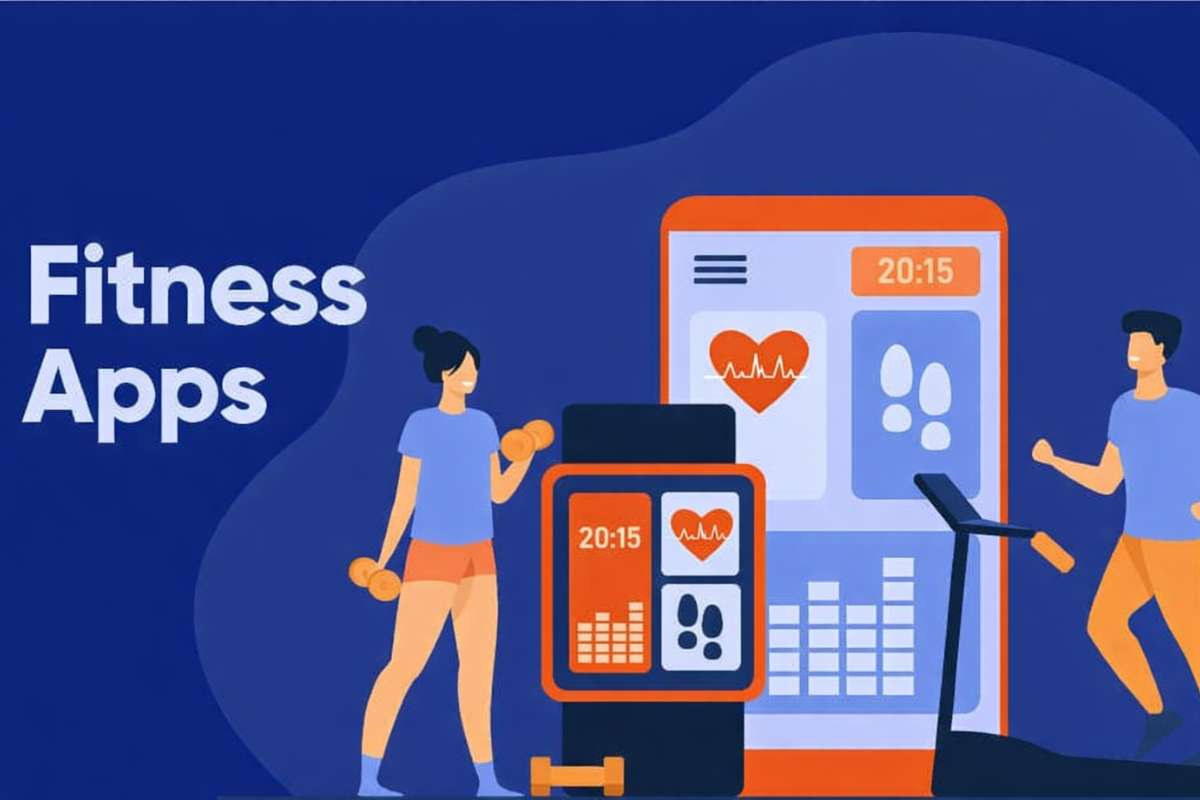
That’s where the right fitness app can actually make things easier. The good ones guide you, track your progress, and make it easier to stick to a routine, even on busy days.
If you’ve struggled to stay consistent or see real results, we will help you find what actually works.
Why More People Are Ditching the Gym for Fitness Apps?
The global fitness apps market is growing, with revenue expected to grow from about $12.12 billion in 2025 to nearly $33.58 billion by 2033.
This shift isn’t random. People are tired of rigid schedules, crowded gyms, and routines that don’t fit their day.
What’s actually working now is flexibility. You can work out at home, during a break, or even while traveling. No commute. No waiting for equipment. Just open the app and start.
Another big change is guidance. Earlier, people had to figure things out on their own. Now, fitness apps give structured plans, track progress, and adjust based on how you perform. That removes guesswork and keeps you consistent.
And consistency is what most people struggle with, not effort.
What’s Changing Inside Fitness Apps in 2026?
Workout apps are no longer just video libraries. They’re becoming smarter and more responsive. AI now adjusts workouts based on how you perform. If you skip a session or struggle with intensity, the plan adapts. Some apps even factor in sleep and recovery data to avoid burnout.
Wearables are also shaping how people train. Apps sync with devices to track heart rate, calories, and movement in real time. That gives you actual data, not just a rough estimate.
Short workouts are another shift. Most users stick to 10 to 20-minute sessions because they’re easier to maintain daily. Many apps now design plans around this behavior instead of long, unrealistic routines. Mental fitness is also getting attention. Features like guided breathing, recovery tracking, and stress monitoring are becoming standard.
This is what makes modern apps more practical, as they fit into real life instead of disrupting it.
The Right Fitness Apps Based on What You Actually Want
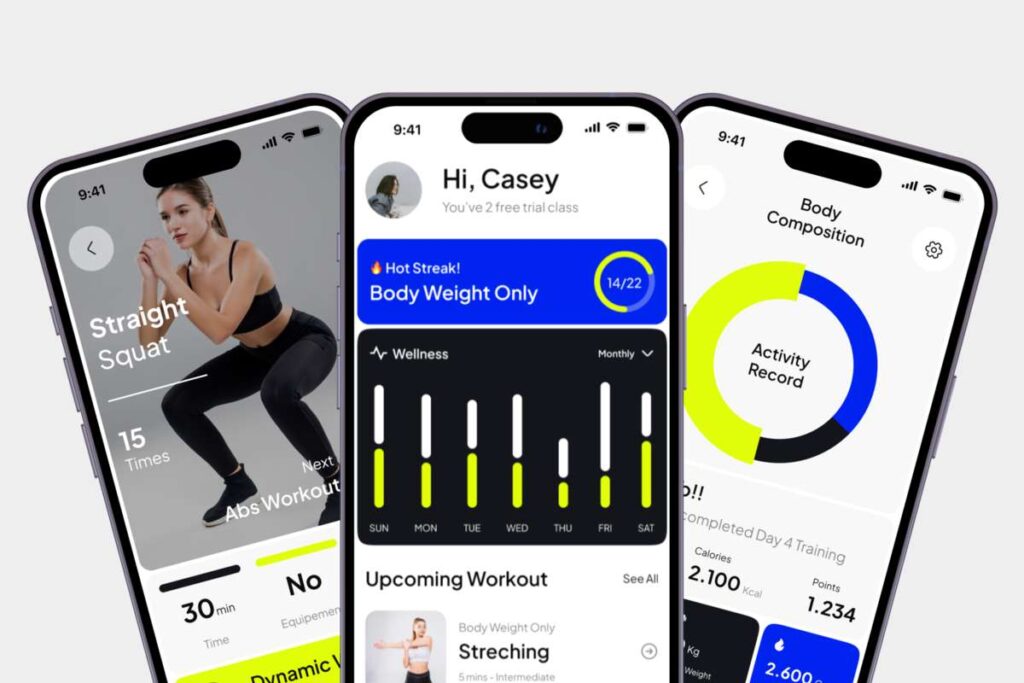
A lot of people quit early simply because they picked the wrong app. So, choose the right one depending on your needs.
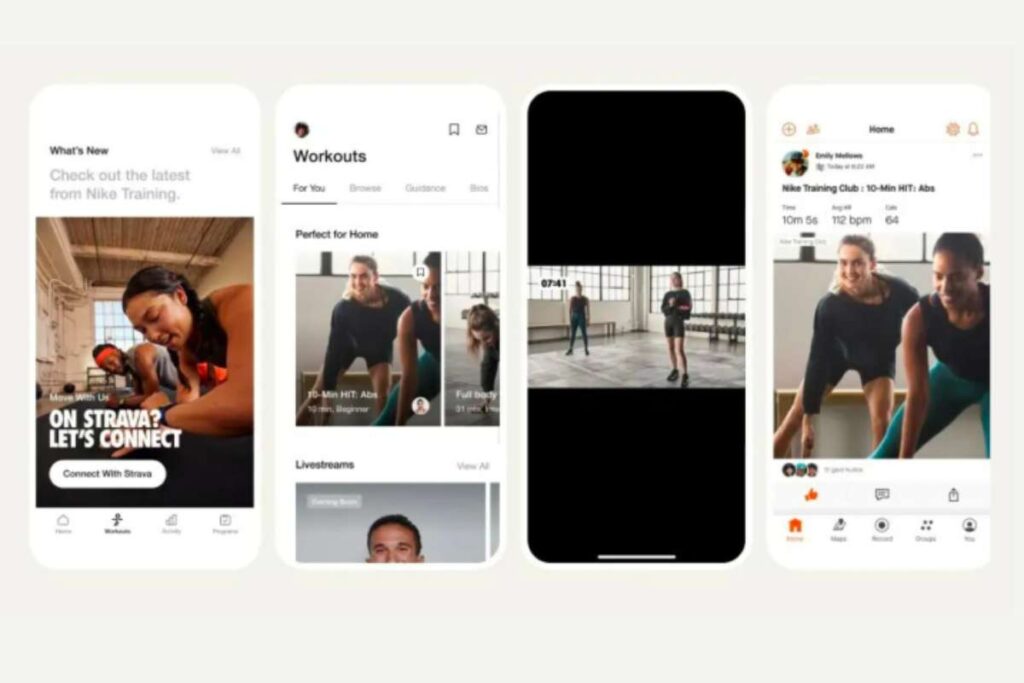
If your focus is strength and structured workouts, Nike Training Club gives guided sessions across levels, including full programs you can follow daily.
If your goal is weight loss or better eating habits, MyFitnessPal helps track calories and macros in a way that’s easy to stick with.
For running and outdoor activity, Strava tracks performance, routes, and even adds a competitive edge through community challenges.
If you struggle with time, Seven focuses on quick sessions that remove the excuse of no time. For a mix of workouts, nutrition, and recovery, Centr offers a more complete approach.
The key is simple, which is to match the app to your goal and not the trend.
What Do These Apps Actually Offer?
So what do these apps actually give you when you start using them? Let’s find out one by one.
Nike Training Club: You get structured workout plans instead of random sessions. It’s useful if you don’t know how to plan your training week. Many workouts are free, which makes it easy to start without committing money up front.
MyFitnessPal: This is less about workouts and more about awareness. You start seeing patterns in what you eat. That alone can change results faster than random dieting.
Strava: It tracks performance in a way that keeps you engaged. Seeing your pace improve or comparing runs with others builds consistency over time.
Seven: This works because it removes friction. No equipment, no setup, no long sessions. You just open it and start. That simplicity is why people stick with it.
Centr: It’s built for people who want everything in one place. Workouts, meals, and recovery tools are all connected, so you don’t need multiple apps.
Fitness Apps at a Glance
Here is a quick comparison to make it easier for you to see what fits your routine.
| App | Category | Free Plan | Premium Price | Wearable Sync | Rating |
| Nike Training Club | Workout Training | Yes | Free / Paid | Yes | 4.8 |
| MyFitnessPal | Nutrition Tracking | Yes | $19.99/month | Yes | 4.7 |
| Strava | Running & Cycling | Yes | $11.99/month | Yes | 4.8 |
| Seven | Quick Workouts | Yes | $9.99/month | Limited | 4.6 |
| Centr | Wellness | No | $29.99/month | Yes | 4.5 |
How AI is Changing the Way You Train?
AI in fitness apps is about adjusting workouts and understanding your behavior.
Instead of only tracking reps or time, AI looks at patterns. When you usually skip workouts. When your performance drops. When you’re most active. It uses that data to predict what you’re likely to do next and nudges you before you fall off track.
Some apps now act more like a coach than a tracker. They send reminders at the right time, suggest small changes you can actually follow, and adjust goals based on your consistency and not just your targets.
Personalization also goes beyond workouts. AI can recommend meal changes, recovery habits, or even rest days based on how your body is responding over time. This makes the plan feel realistic, not forced.
Experience-driven by AI is a key reason users stay engaged longer with digital fitness platforms. That’s the difference now, as it’s about what you’re actually likely to stick with.
How to Pick a Fitness App You’ll Actually Stick With?

Most people don’t quit fitness, but they quit routines that don’t fit their lives. The same applies to apps.
If your goal is fat loss, you’ll need an app that tracks calories and eating habits, not just workouts. If you’re trying to build strength, look for structured training plans that progress over time. And if your schedule is tight, shorter guided sessions will work better than long programs you won’t follow.
Pay attention to how the app feels when you use it. If it’s confusing or takes too many steps to start a workout, you’ll stop using it. Simple design and clear plans matter more than extra features.
It’s also worth trying the free version of fitness apps first. This helps you see if the app fits your routine before you pay for it. Many people realize within a week whether they’ll stick with it or not.
Conclusion
Fitness doesn’t have to be complicated. With the right app, you can build a routine that fits your life and goals. The best fitness apps give you structure, motivation, and real results without overwhelming you.
So, are you ready to take control of your fitness journey and stick to it this time?
FAQs
Q1. Do fitness apps actually work?
Yes, if used consistently. They provide structure, tracking, and guidance that help build habits.
Q2. Are free workout apps enough?
For beginners, yes. Paid plans offer more personalization and advanced features.
Q3. Can I use fitness apps without equipment?
Many apps offer bodyweight workouts that require no equipment.
Q4. Do training apps replace personal trainers?
They can guide you well, but advanced users may still benefit from personal coaching.