You know how one sudden change can shake an entire market overnight. Remote work spread fast across the world. Supply chains stopped without warning. In the past, leaders saw risk as rare storms. Today, risk feels constant, like daily weather.
Many leaders were not ready to deal with big disruptions in 2025, such as trade changes and global crises. This lack of readiness shows a clear weakness in companies that still depend on old methods.
This is where future-proofing in business becomes critical. It helps companies move from survival mode to growth mode. Instead of fixing problems again and again, leaders build flexible systems that handle pressure. Think of agile teams, cloud tools, smart data use, and supply chains that adjust quickly.
Here, you will find trends shaping global markets, proven frameworks used by strong companies, and clear steps you can apply right away.
What Future-Proofing in Business Really Means?
Most leaders hear the term often, but few define it clearly. At its core, future-proofing means building systems that adapt faster than change itself.
Future-ready companies have flexible plans, strong teams, and steady innovation. Organizations that maintain a clear purpose and adaptable workflows stay resilient during crises.
Future-proofing also includes understanding evolving customer needs. Companies that track consumer behavior closely gain predictive insight into emerging demand patterns. That intelligence reduces guesswork and supports long-term growth.
Core Elements of a Future-Ready Business
| Element | Why It Matters | Example Impact |
| Strategic Flexibility | Allows rapid response to disruption | Move to remote operations quickly |
| Digital Infrastructure | Supports scalable operations | Cloud-based workflow systems |
| Workforce Adaptability | Keeps teams competitive | Continuous upskilling programs |
| Customer Intelligence | Predicts market shifts | Data-driven product development |
These elements form the foundation of sustainable competitiveness. Without them, businesses rely too heavily on luck.
Shocking Stats Shaping Future-Proofing Trends in 2026

Data shows the real story behind future-proofing in business. Markets are changing fast. Companies must adapt now, not later.
18 emerging industries may reshape the economy in the coming years. They could grow from 4% of global GDP in 2022 to 16% by 2040. This growth brings big chances, but only for companies that prepare early.
At the same time, spending on technology keeps rising. Many companies are buying other firms and forming partnerships to stay strong in uncertain markets.
5 Proven Strategies for Future-Proofing in Business
Let’s move from theory to action. These five strategies appear consistently across expert recommendations and corporate planning frameworks.
1. Listen to Customers Relentlessly
Customer insight drives innovation. Businesses that conduct regular surveys, feedback loops, and behavioral tracking outperform competitors.
Leaders who study shifting preferences detect opportunities earlier than rivals. That predictive advantage reduces wasted investment and improves customer loyalty.
2. Invest in Workforce Skills and Culture
Technology changes fast, but people drive transformation. Companies that offer continuous learning build adaptable teams.
Training programs help employees stay relevant as industries evolve. Organizations that nurture culture and belonging also improve retention and productivity.
3. Upgrade Technology Infrastructure
Old systems slow down innovation. Modern companies invest in scalable tools like cloud computing, AI, and automation. This step is key to future-proofing in business.
Using tools together, like IoT and AI, leads to better innovation than using just one tool.
4. Build Flexible Business Models
Rigid business models struggle under pressure. Subscription services, digital platforms, and diversified revenue streams increase stability.
Organizations exploring recurring revenue models often experience improved retention and predictable cash flow.
5. Create Leaders Who Know Their Purpose
Companies with strong mission statements handle change and hard times better. Purpose aligns employees, customers, and stakeholders around shared goals.
Businesses that define their ‘why’ build stronger team motivation, especially during hard times.
New Technology Trends for Future-Proofing in Business
Technology shapes nearly every industry. Leaders who track digital trends gain a competitive edge.
One big change is that smart technology is helping people do their work and make decisions. Companies are using advanced data tools to understand their work and automate more tasks happen automatically.
Organizations that use digital platforms that can grow with them work more efficiently. These systems help teams work from home, reduce delays, and help create new ideas faster.
High-Impact Technology Trends
| Technology | Strategic Advantage | Long-Term Benefit |
| Artificial Intelligence | Automates analysis | Faster decisions |
| Cloud Infrastructure | Enables scalability | Reduced downtime |
| Data Analytics | Improves forecasting | Better risk management |
| Automation Tools | Reduces manual tasks | Higher efficiency |
These technologies form the backbone of modern resilience.
Risk Management Secrets That Keep Businesses Alive
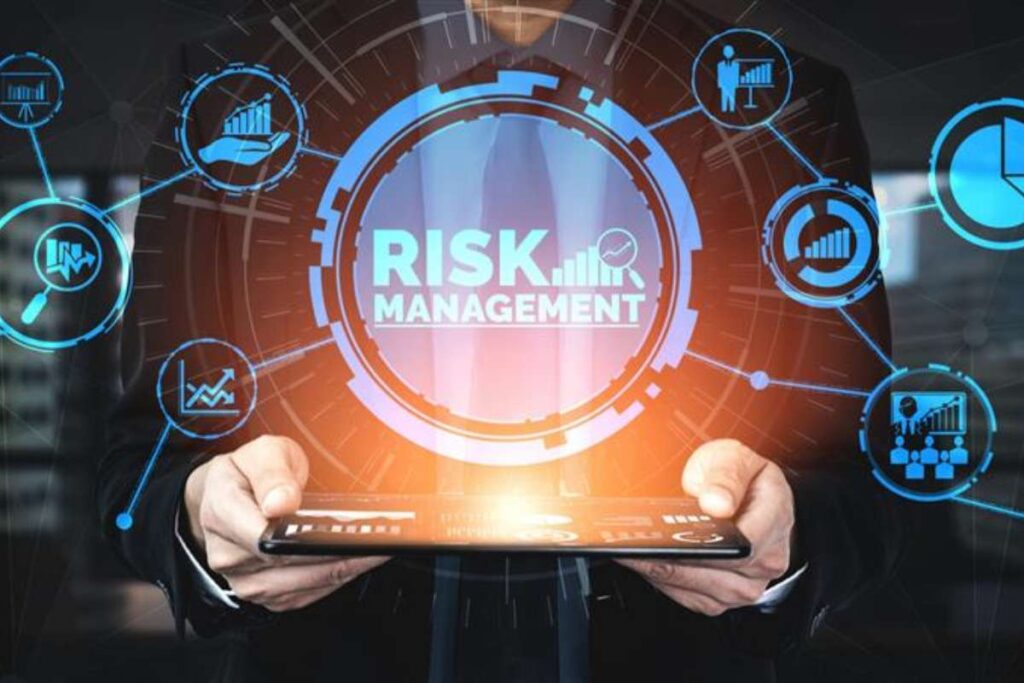
Risk planning is no longer limited to finance teams. Today, it sits at the center of business strategy. Leaders now treat risk management as a top priority, making it a key part of future-proofing in business.
Many leaders use acquisitions and partnerships to build stronger skills and reduce sudden risks. Diversification is also important. Having multiple income sources helps businesses avoid relying on just one market.
Smart companies prepare for common risks. To handle market changes, they offer different products to keep revenue steady. To avoid supply problems, they work with multiple vendors to reduce downtime. They also use backup cloud systems to recover quickly from tech failures. Regular training helps teams stay skilled and ready for change.
Risk awareness builds stability. Businesses that plan ahead and stay prepared are more likely to grow, even during uncertain times.
How Leadership Culture Shapes Future-Ready Companies?
Strategy alone never saves organizations. Culture determines how quickly teams respond to change.
Clear communication, trust, and teamwork are key for future-ready companies. Leaders who focus on people build stronger teams and smoother operations.
Future-ready companies also encourage experimentation. Teams that test new ideas regularly identify innovation opportunities before competitors.
Culture Traits of Future-Proof Companies
- Transparent communication
- Continuous learning mindset
- Cross-department collaboration
- Accountability culture
- Innovation tolerance
These traits fuel adaptability and creativity.
The Hidden Advantage of Strategic Partnerships
Strategic partnerships help businesses innovate faster while sharing risk and resources.
- Growth does not always come from inside. Partnerships often speed up innovation more than in-house work.
- Companies work with tech vendors, universities, startups, and experts to build strong teams. These teams help launch products faster and enter markets sooner.
- Partnerships reduce risk by sharing investments, lowering financial exposure, and increasing learning speed.
- Each partner type adds unique value:
- Technology firms enable access to advanced tools and digital capabilities.
- Universities support research-driven product innovation.
- Startups contribute fresh ideas and rapid prototyping.
- Suppliers improve logistics and operational stability.
- Strong partnership ecosystems create scalable growth and long-term advantage.
Measuring Success: Key Metrics for Future-Proofing in Business

Clear metrics help turn plans into real results and long-term strength. Without measurement, strategy becomes guesswork. Strong organizations use simple indicators to track progress and stay ready for change.
1. Revenue Diversity Ratio: This shows how income comes from different products or channels. When income comes from many sources, the business depends less on one area and stays more stable during market changes.
2. Employee Skill Index: This tracks how ready employees are through training and new skills. A strong skill level helps teams adjust to new tools and changing work needs.
3. Innovation Rate: This shows how often new products, services, or ideas are launched. A steady flow of new ideas helps companies stay competitive and meet customer needs.
4. Risk Response Time: This measures how fast a company reacts to problems. Quick responses reduce damage and help keep operations running smoothly.
Conclusion:
The biggest lesson is simple: companies that adapt fast stay competitive longer. Future-proofing in business means learning new skills, using smart technology, and planning ahead.
Resilience grows from steady action, not from rare effort. Start small. Improve one task, ask customers for feedback, or teach your team to use new tools. Even one small change this quarter can help build strong, long-term stability.
Sources/ References: