Key Takeaways:
- OpenAI chief executive says society must accept some negative outcomes.
- He compares these risks with those accepted in transport because of its wider benefits.
- Critics say tech companies gain the profits while society may have to deal with the risks.
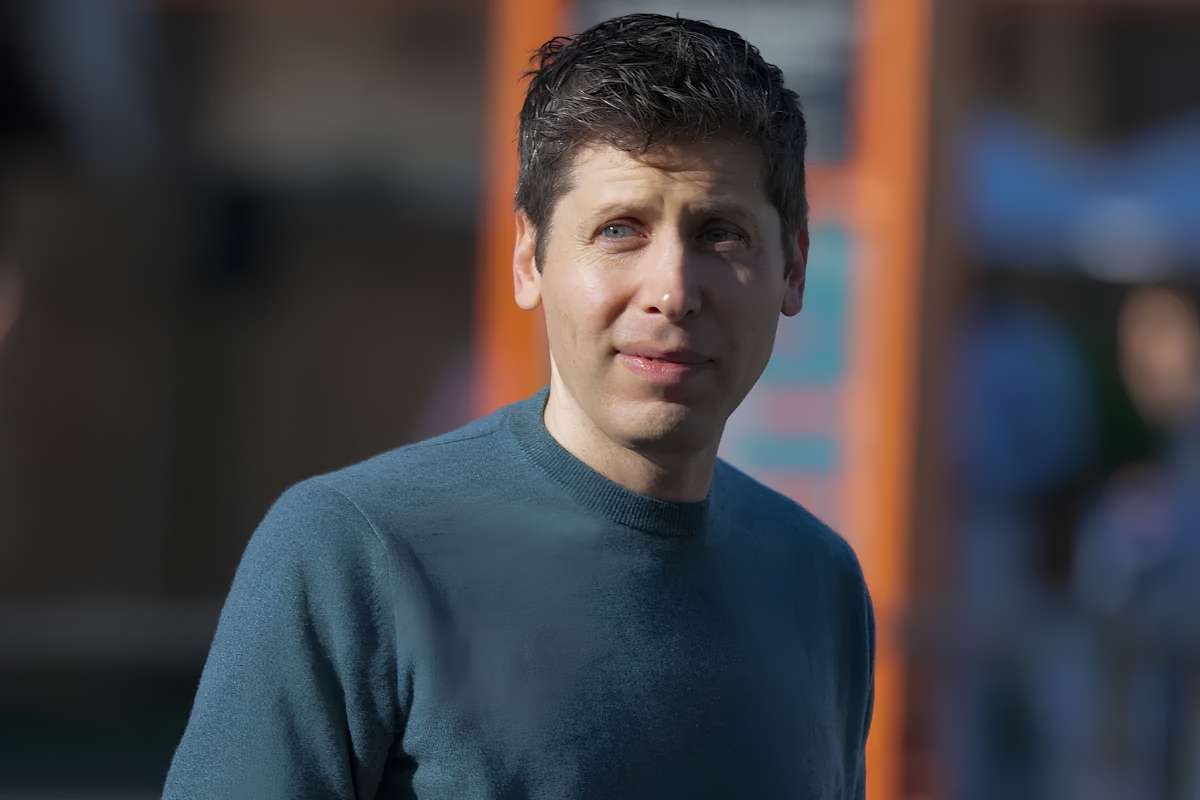
OpenAI chief executive Sam Altman argued in a recent interview that society must accept some negative effects of technology, drawing criticism over who should be responsible when AI systems cause harm.
Sam Altman Defends Accepting Negative Technology Outcomes
OpenAI chief executive Sam Altman defended the growth of digital tools during a recent media interview published over the weekend. He told reporters and industry analysts that the world should accept some bad outcomes in return for the wider benefits of the technology.
Altman said society already balances the benefits of new technology against possible harm. His comments came as watchdogs raised questions about who should be responsible for system failures and how companies should keep their software safe.
Altman shared his views during a conversation with journalists about new technology. He argued that complete safety cannot be guaranteed when building powerful artificial intelligence systems for millions of users.
The OpenAI chief also said that aiming for zero major hacks, misuse, or scams is unrealistic. He believes people will ultimately use these tools to do far more good than harm.
Critics Compare Artificial Intelligence Risks To Public Transport
Supporters of new technology often point to examples from public transport and medicine. Cars crash, and planes sometimes fall, but society accepts these risks because the wider benefits of transport are considered greater.
Society also creates rules to reduce these risks and holds companies responsible when they fail to follow them. Critics say the public should also have a say in deciding what level of risk is acceptable.
Commentators argue that the technology industry still lacks the same level of public protection and legal responsibility. Without stricter rules, people may have to deal with risks without enough protection or a clear way to seek compensation.
Industries such as aviation introduced stricter safety rules after major accidents and legal cases. Analysts argue that technology companies should face similar levels of responsibility.
Observers Question Who Pays For Corporate Safety Failures
Critics argue that wealthy technology companies keep the financial gains while society may be left to deal with the risks. If digital systems cause damage to private or government systems, they say the companies responsible should pay for the resulting costs.
OpenAI has significant financial resources to cover potential damage caused by its software products. Observers argue that ordinary people should not have to carry the cost when technology companies’ products cause serious harm or data breaches.
If technology executives believe some negative outcomes are an unavoidable cost of progress, critics say their companies should also bear the financial cost when those outcomes cause harm.
Critics say technology companies should be held responsible for the consequences of their products, including the Sam Altman AI risk concerns. Making companies share the financial cost of harm could give them a stronger reason to build safer systems.
Visit more of our news! Visionary CIOs