Key Takeaways:
- Meta’s AI agent development has not accelerated as leadership originally anticipated.
- Recent corporate reorganization and layoffs have not yet delivered the expected results.
- Zuckerberg expects significant benefits from AI investments in the coming months.
Zuckerberg Addresses Internal AI Development Hurdles
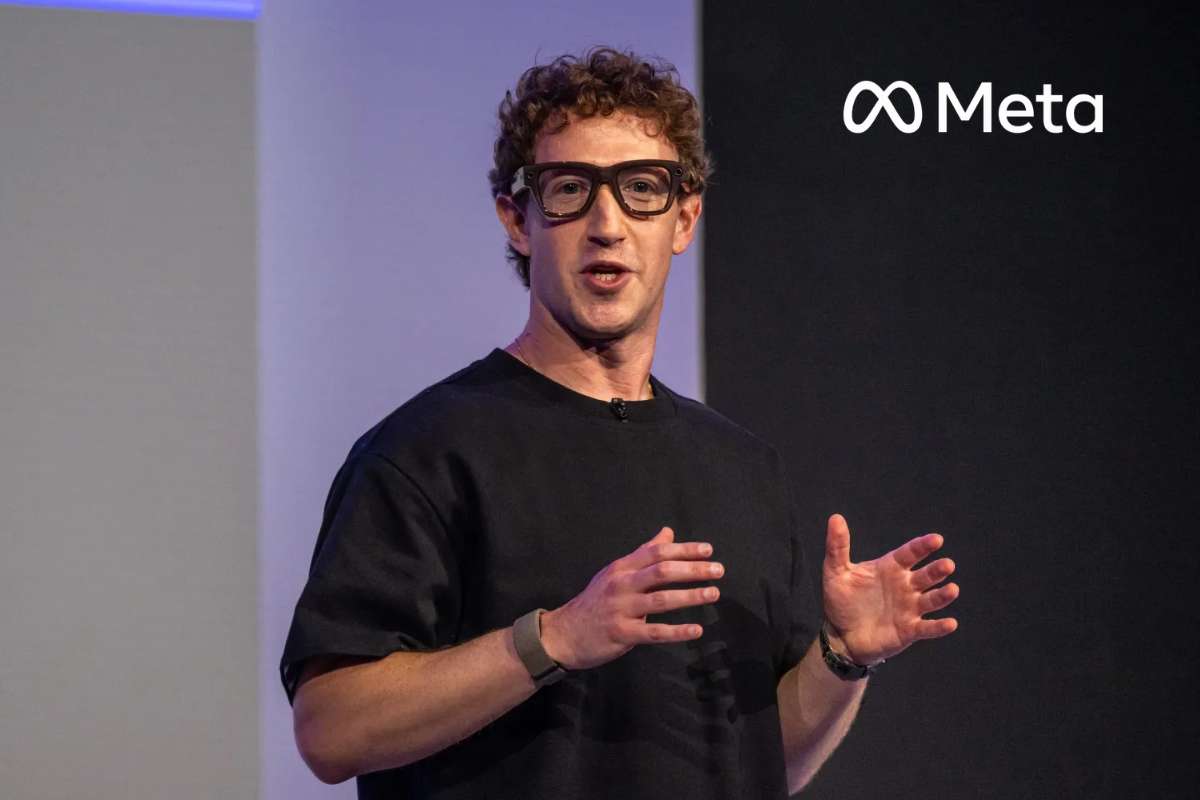
Meta CEO Mark Zuckerberg told staff Thursday that the company’s progress on artificial intelligence agents has not met internal expectations, marking a rare public admission of strategic friction.
During an internal town hall meeting, Zuckerberg revealed that the development of AI agents- automated systems designed to execute tasks on behalf of users- has not accelerated as anticipated over the past four months.
He acknowledged that recent structural changes and significant workforce reductions, while intended to streamline operations, have not yet borne the fruit executives projected earlier this year.
“The trajectory of the agentic development over at least the last four months hasn’t really accelerated in the way that we expected,” Mark Zuckerberg said, according to recordings of the meeting. He further noted that the reorganization, which included cutting 10 percent of the global workforce, was not as “clean” as leadership originally envisioned.
Restructuring Challenges And Workforce Impact
The comments shed light on the intense pressure Meta faces as it pivots aggressively toward artificial intelligence.
In May, Meta reassigned roughly 7,000 employees to AI-focused teams to support its massive infrastructure push, a move that prompted internal pushback and concerns regarding company morale.
Mark Zuckerberg admitted that leadership miscalculated the timing of these organizational changes. He explained that conversations with senior executives during January and February were driven by a collective fear that the company was not moving fast enough to adapt to the rapidly evolving AI landscape.
At the time, leadership was particularly optimistic about emerging AI coding tools and the potential for these systems to drive immediate efficiency. However, in retrospect, Zuckerberg conceded that the company’s massive bets on this new structure have not yet reached maturity.
Massive Infrastructure Spending And Future Outlook
Despite the current setbacks, Meta continues to invest heavily in the technology necessary to support its long-term AI strategy. The company is projected to spend as much as $145 billion on AI infrastructure this year, representing a significant portion of the broader tech industry’s collective expenditure.
Mark Zuckerberg remains optimistic about the near-term future, telling staff he expects the social media giant will begin to experience more significant benefits from these substantial investments within the next three to six months. He framed the layoffs as a necessary step to fund these critical data center and GPU requirements.
Beyond the AI strategy, Meta’s leadership also addressed recent controversies, including a temporary pause on an internal program that tracked employee cursor activity for AI training. Chief Technology Officer Andrew Bosworth confirmed that an investigation into a potential data security lapse found no employee information had entered training systems.
Moving forward, the company intends to transition the program to an opt-in basis, allowing staff to choose whether to contribute to the data collection effort.
Visit Visionary CIOs Magazine for the latest business and technology insights.