A recent Gallup report shows that 44% of workers worldwide feel stressed every single day, affecting how they think, perform, and show up at work. That’s exactly why companies today are shifting their focus toward simple, practical, and meaningful wellness activities for employees.
These activities are no longer simple feel-good perks; they play a real role in improving employee wellbeing and performance. Studies now reveal that teams with strong wellness programs experience a 20–25% jump in productivity and a noticeable drop in absenteeism. More importantly, employees feel supported, valued, and motivated, something every workplace needs to thrive.
In this blog, we’ll break down why wellness activities matter, what makes them effective, and how you can easily introduce them into your workplace. Whether you run a small team or a large organization, these ideas can help you build a healthier, happier, and more engaged workforce.
What Are Wellness Activities for Employees?
Wellness activities refer to intentional programs, habits, and experiences designed to support an employee’s overall well-being physically, mentally, emotionally, and even socially. These activities go beyond traditional fitness initiatives. They include mindfulness sessions, healthy habit challenges, stress-relief games, financial wellness resources, and small daily practices that help employees feel balanced and energized.
With teams working in-office, remotely, or in hybrid setups, wellness programs now need to support employees wherever they are. Modern workplace wellness is holistic. It recognizes that performance, creativity, and engagement improve when people feel mentally clear, physically active, emotionally grounded, and socially connected.
This foundation sets the stage for understanding why a strong wellness strategy matters now more than ever, which brings us to the next key section: the importance of prioritizing wellness in the workplace.
Why Wellness Activities for Employees Matter Today?
Employee expectations have changed, and workplaces can no longer rely on traditional perks alone. With rising stress levels, tighter deadlines, and hybrid work challenges, wellness activities play a crucial role in building a supportive work environment. These activities help employees feel balanced, appreciated, and connected, not just to their work, but also to their team and organization.
When companies prioritize wellness, it creates a ripple effect. Employees become more engaged, more productive, and more loyal. Studies show that wellness-focused workplaces experience fewer sick days, higher job satisfaction, and stronger team morale. It also helps reduce burnout, which has become one of the biggest threats to workplace performance today.
In simple terms, investing in wellness activities is not just about health; it’s about creating a culture where people feel safe, energized, and motivated to do their best work. It’s a smart business decision that benefits the employees, the organization, and the overall work atmosphere.
Key Areas to Focus on When Planning Wellness Activities for Employees:
To build a workplace where people feel motivated, supported, and genuinely happy to show up every day, companies need Wellness activities for employees that address different dimensions of well-being. Below are the most important areas to focus on when designing or improving your wellness strategy.
Types of Wellness Activities for Employees
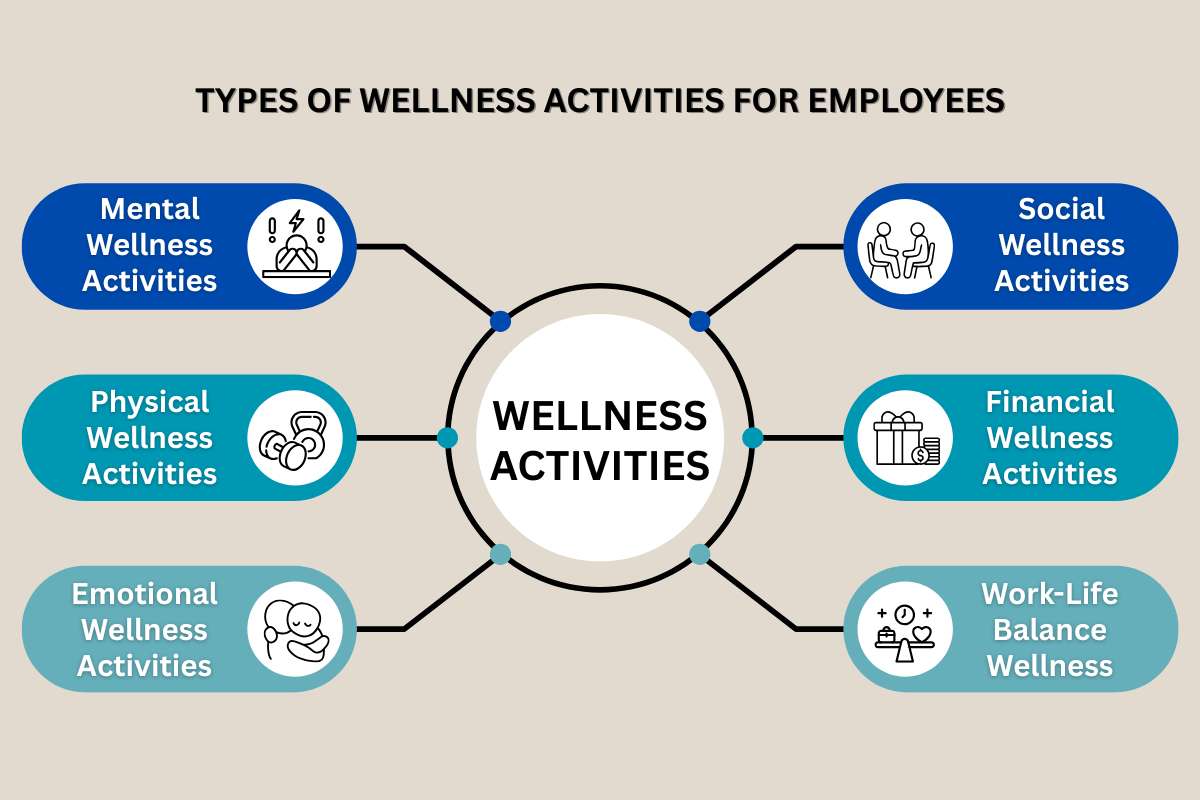
A well-rounded wellness program works only when it touches all aspects of an employee’s life, not just physical health. Modern workplaces now focus on holistic wellbeing because research shows that employees who feel supported in multiple areas of wellness are 2.5x more engaged and significantly less likely to burn out.
| Wellness Type | Examples | Key Benefits |
| Mental Wellness | Meditation, journaling | Better focus, reduced stress |
| Physical Wellness | Desk yoga, fitness challenges | Higher energy, fewer sick days |
| Emotional Wellness | Counseling, sharing circles | Strong resilience, reduced burnout |
| Social Wellness | Games, clubs, volunteering | Better teamwork, stronger bonds |
| Financial Wellness | Budgeting workshops | Reduced stress, better planning |
| Work-Life Balance | Digital detox, sleep challenges | Improved balance, healthier habits |
Below is a detailed breakdown of the core types of wellness activities, along with examples, benefits, and relevance:
1. Mental Wellness Activities
Mental well-being is the foundation of productivity and focus. When employees have tools to manage stress and stay mentally steady, they perform better and collaborate more effectively.
Includes:
- Guided meditation sessions
- Journaling prompts or gratitude journaling
- Mindfulness challenges
- Brain games for focus improvement
- Mental health check-in circles
Why does it matter?
- 60% of employees say mental health impacts their ability to perform.
- Reduces daily stress, improves clarity, and enhances decision-making.
2. Physical Wellness Activities
Movement is essential, especially with long hours of desk work. These activities boost energy levels, improve posture, and reduce long-term health risks.
Includes:
- Desk yoga or stretching routines
- Step challenges (5,000–10,000 steps/day goals)
- Virtual fitness classes
- Healthy posture or ergonomics workshops
- Weekly fitness challenges
Why does it matter?
- Physically active employees take 27% fewer sick days on average.
- Higher stamina = improved productivity.
3. Emotional Wellness Activities
Emotional well-being enables employees to manage pressure, communicate better, and feel supported during challenging times.
Includes:
- Safe-sharing circles
- One-on-one counseling support
- Stress-relief practices (breathing exercises, grounding techniques)
- Positivity or affirmation boards
- Burnout prevention sessions
Why does it matter?
- Emotional safety increases team trust by up to 40%.
- Reduces conflicts and anxiety, improving overall morale.
4. Social Wellness Activities
Humans are wired for connection. Social wellness helps employees feel part of something bigger than their role.
Includes:
- Group games (trivia, puzzles, team-building games)
- Volunteer programs
- Hobby clubs (reading, gardening, music)
- Peer appreciation activities
- Employee meetups or virtual hangouts
Why does it matter?
- Strong workplace friendships can boost satisfaction by 50%.
- Enhances collaboration and reduces workplace loneliness.
5. Financial Wellness Activities
Money stress silently affects productivity. When employees get guidance, they feel more secure and confident.
Includes:
- Budgeting workshops
- Retirement planning sessions
- Saving and investment guidance
- Debt management support
- Salary and compensation literacy sessions
Why does it matter?
- 72% of employees experience a reduction in absenteeism and health care costs of their employees.
- Financially stable employees show better concentration and engagement.
6. Work-Life Balance Wellness
A balanced employee is a happier and more focused employee. These activities help prevent burnout and promote healthier routines.
Includes:
- Digital detox hours
- Sleep improvement challenges
- Time-management workshops
- Boundary-setting training
- Flexible workday wellness tips
Why does it matter?
- Companies supporting work-life balance see a 25% higher retention rate.
- Lower burnout leads to long-term career satisfaction.
Practical & Impactful Wellness Ideas Employees Actually Enjoy
Creating meaningful Wellness activities for employees starts with choosing ideas that are simple, inclusive, and easy to apply across different teams, whether they work onsite, hybrid, or fully remote. The goal is to help employees feel healthier, less stressed, and more connected, without overwhelming their schedules or your budget.
Below is a carefully curated list of wellness ideas based on proven workplace wellbeing trends, psychological research, and employee engagement insights. Each activity is designed to boost morale, improve energy, and support overall well-being throughout the workweek.
The Top 20 Wellness Activities for Employees Every Organization Should Try:
1. Guided Meditation Sessions

Short, guided meditation breaks help employees reset their minds, reduce stress, and improve focus. These can be hosted by a trainer, streamed online, or shared as audio clips, perfect for Mondays or post-meeting resets.
2. Mindfulness or Breathing Exercises
Quick breathing routines or mindfulness prompts help employees stay present and calm. Even 5 minutes can lower cortisol levels and improve decision-making during busy workdays.

3. Desk Yoga or Quick Stretch Breaks
Desk-friendly stretches improve posture, reduce stiffness, and boost energy—especially for teams working long hours at computers. These can be led by trainers or shared as short video clips.

4. Virtual or On-Site Fitness Classes
Yoga, Zumba, strength training, or simple movement sessions help teams stay active. Virtual classes work great for remote or hybrid teams and encourage consistency through weekly schedules.

5. Mental Health Check-In Circles
Safe, judgment-free sharing circles allow employees to talk about challenges, seek support, and feel heard. These sessions improve emotional well-being and strengthen trust within teams.

6. Gratitude Journaling Prompts
A simple weekly gratitude exercise increases positivity and reduces stress. Employees can write down three things they are grateful for, creating a more optimistic workplace atmosphere.

7. Smoothie or Healthy Snack Days
Offering fruits, smoothies, or nutrient-rich snacks motivates employees to make healthier choices. It also supports energy levels and reduces midday fatigue.

8. Ergonomic Workspace Training
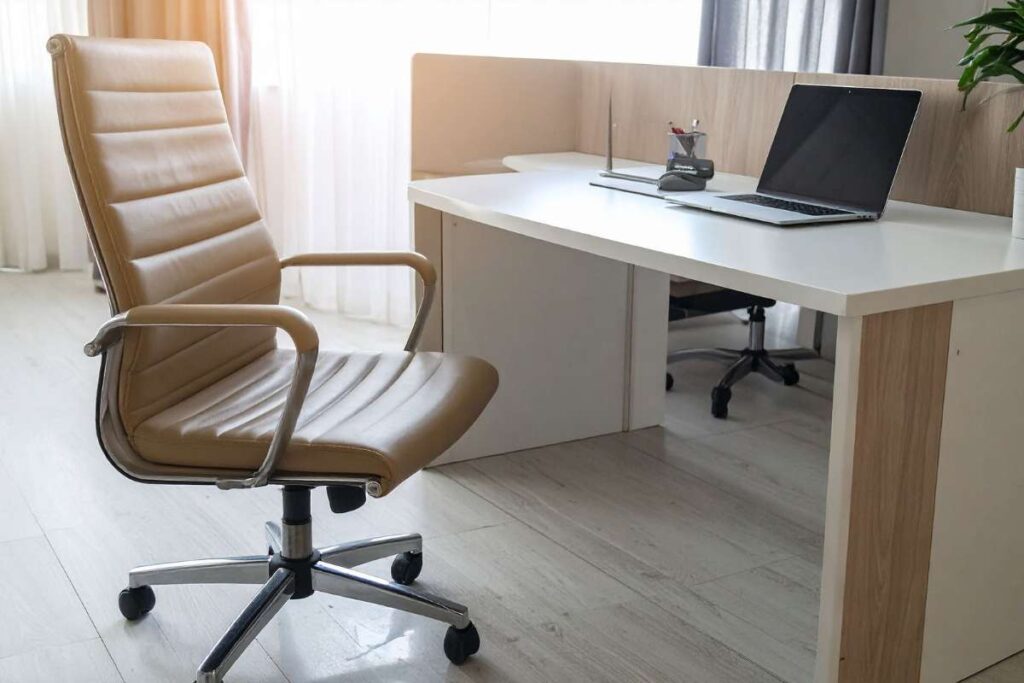
Employees learn how to set up their desk, chair, and posture correctly to prevent neck pain, back strain, and long-term musculoskeletal issues. This is especially important for remote workers.
9. Outdoor Walks or Step Challenges
Daily or weekly step goals encourage physical movement and fresh air. Team step challenges can also promote healthy competition and motivation.

10. Wellness Webinars With Experts
Inviting psychologists, nutritionists, fitness coaches, or sleep experts provides employees with credible, science-backed knowledge about maintaining their well-being.

11. Hydration Challenges
Encouraging employees to drink enough water throughout the day improves focus, mood, and overall health. Simple tracking sheets or team reminders help build consistency.

12. Group Volunteering or Charity Events
Giving back together builds teamwork, purpose, and emotional fulfillment. Activities may include tree planting, community service, or charity drives.

13. Interest-Based Clubs (Books, Music, Art)
Hobby clubs help employees bond over shared interests and find joy outside task-based conversations. These clubs boost social well-being and reduce feelings of isolation.

14. Digital Detox Hours
A scheduled break from screens, especially after work hours, helps employees reduce eye strain, mental fatigue, and burnout. Companies often run weekly “No Meetings” or “No Email” blocks.

15. Stress-Buster Games (Trivia, Puzzles, Brain Games)
Engaging activities like trivia quizzes, fun puzzles, and brain games offer a light, enjoyable break. These help employees recharge mentally and encourage team bonding.

16. Weekly Positivity Boards
A shared digital or physical board where employees post motivational quotes, achievements, or shout-outs. This builds appreciation, recognition, and positivity across the workplace.
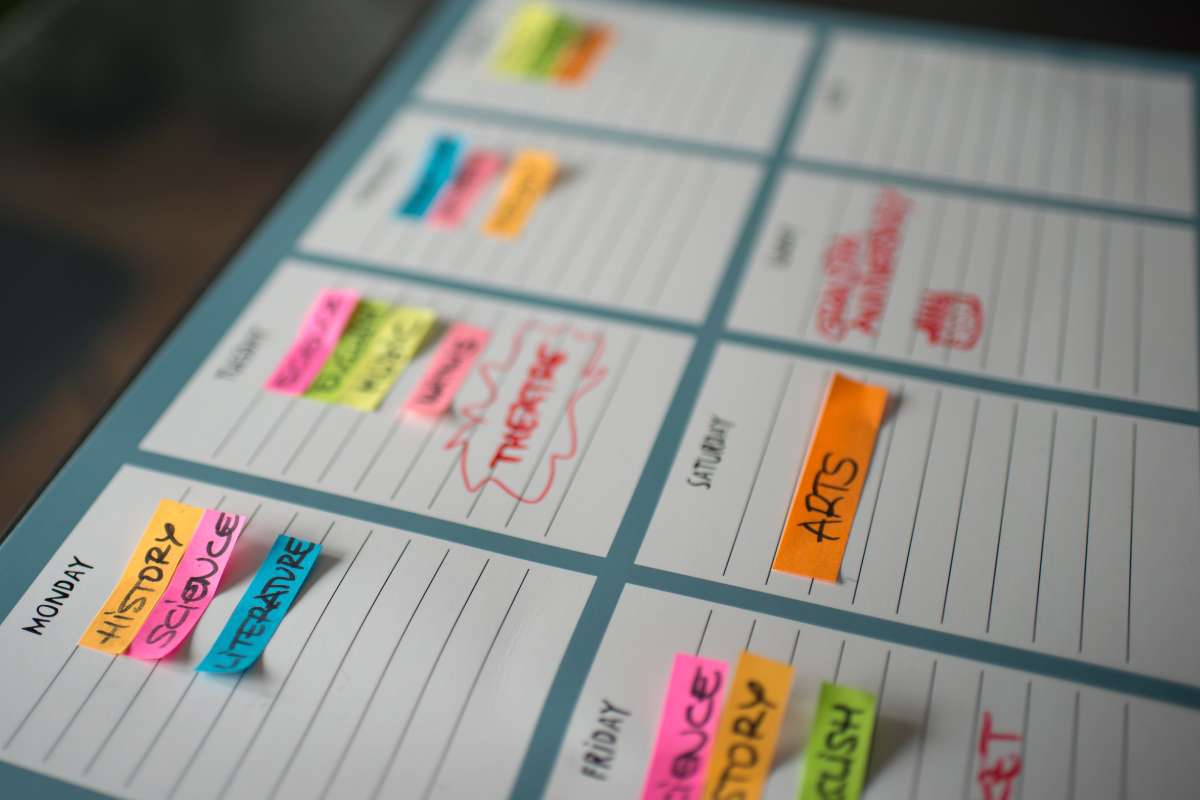
17. Art Therapy or Creative Expression Sessions
Drawing, painting, doodling, music, or crafting sessions help employees relax and express emotions creatively, especially effective for reducing anxiety.

18. Financial Wellness Workshops
Sessions on budgeting, saving, investment planning, and debt management help employees build confidence in their financial decisions and reduce money-related stress.

19. Sleep Routine Challenges
Simple challenges like reducing screen time at night, tracking sleep hours, or building bedtime routines help employees improve sleep quality, directly boosting productivity.

20. Burnout Prevention & Emotional Resilience Sessions
Practical workshops teach employees how to recognize burnout, set healthy boundaries, manage workload stress, and build long-term emotional strength.

Monthly Wellness Activity Calendar (Easy-to-Implement Plan)
Creating a structured monthly plan helps organizations introduce wellness activities for employees consistently without overwhelming the team or the HR department. A predictable rhythm keeps participation high and ensures employees look forward to each week’s wellness moment. Below is a ready-to-use 4-week calendar that mixes physical, mental, emotional, and social wellness, perfect for any workplace setting.
Week 1: Mindful Start
| Day | Activity | Purpose |
| Monday | Guided Meditation Session | Helps employees reset for the week and reduce stress. |
| Wednesday | Hydration Challenge Kick-off | Encourages healthier daily habits. |
| Friday | Step Tracker Launch (10,000-step goal) | Boosts physical activity and team motivation. |
Week 2: Movement & Mental Reset
| Day | Activity | Purpose |
| Monday | Desk Yoga or Stretch Break | Reduces physical tension from long sitting hours. |
| Wednesday | Stress Management Webinar | Offers expert-led strategies for handling pressure. |
| Friday | Healthy Snack / Smoothie Day | Promotes nutrition-focused choices and team bonding. |
Week 3: Creativity & Connection
| Day | Activity | Purpose |
| Monday | Mental Wellness Game Hour | Encourages fun, collaboration, and emotional relief. |
| Wednesday | Journaling Prompt Challenge | Improves reflection and emotional clarity. |
| Friday | Digital Detox Evening | Supports work-life balance and mental clarity. |
Week 4: Active Engagement
| Day | Activity | Purpose |
| Monday | Group Fitness Class / Zumba / Pilates | Boosts energy and builds team spirit. |
| Wednesday | Art Therapy or Creative Hour | Fosters creativity and helps employees unwind. |
| Friday | Nature Walk / Outdoor Activity | Encourages movement, fresh air, and bonding. |
Free Tools to Support Wellness Activities for Employees
Implementing wellness programs doesn’t have to be expensive. In fact, many powerful free tools can help HR teams run, track, and promote Wellness Activities without increasing the budget. These tools support meditation, fitness, healthy habits, mental wellbeing, and team engagement, making wellness accessible to every organization, regardless of size.
Below is a curated list of the best free tools companies can use to boost participation and simplify wellness planning:
| Wellness Area | Free Tools / Platforms | How It Helps |
| Mental Wellness | Insight Timer (Free Meditation App) | Guided meditation, breathing exercises, and stress reduction sessions. |
| Smiling Mind | Daily mindfulness programs designed for workplaces. | |
| YouTube (Mindfulness Channels) | Free meditations, anxiety relief sessions, and mental health tips. | |
| Physical Wellness | YouTube Fitness Channels | Free yoga, desk exercises, stretching, and home workouts. |
| Google Fit / Apple Health | Tracks steps, workout minutes, and movement trends. | |
| Adidas Training App | Free bodyweight workouts that employees can join remotely. | |
| Emotional Wellness | Daylio (Mood Tracker) | Helps employees track emotions and build emotional awareness. |
| Reflectly (Free Version) | Journaling prompts for emotional clarity and self-reflection. | |
| Happify (Free Activities) | Science-based activities to build resilience & reduce stress. | |
| Social Wellness | Slack/Teams Channels | Create hobby clubs, challenge groups, and social circles. |
| Kahoot / Quizizz | Host fun trivia games for team bonding. | |
| Discord | Build informal bonding spaces for remote/hybrid teams. | |
| Financial Wellness | MoneyControl Tools | Budgeting insights for Indian employees. |
| Groww Academy | Free financial education content. | |
| Calculator.net Budget Tools | Helps employees plan expenses & savings. | |
| Work-Life Balance | Forest App (Free Version) | Helps employees stay focused during digital-detox hours. |
| Notion / Google Calendar | Time-blocking, routine planning, and focus scheduling. | |
| SleepFoundation.org Resources | Free guides to build better sleep habits. |
Benefits of Wellness Activities for Employees
Implementing Wellness Activities creates a healthier, happier, and more productive workforce. Here’s what organizations gain when they consistently invest in employee well-being:
1. Higher Productivity and Performance:
Well-supported employees show better focus, faster decision-making, and higher energy levels, directly boosting overall output.
2. Lower Stress and Burnout:
Regular wellness practices help reduce daily stress, balance emotional load, and prevent burnout, especially in high-pressure work environments.
3. Better Team Collaboration:
Group wellness sessions build trust, connection, and team bonding, improving communication and workplace relationships.
4. Improved Employee Engagement:
Wellness programs create a sense of belonging, making employees feel valued, leading to stronger engagement and motivation.
5. Reduced Absenteeism:
Active wellness participation lowers sick leaves and fatigue-related absences, reducing operational disruptions.
6. Enhanced Mental & Emotional Health:
Activities like meditation, journaling, and check-in circles help employees regulate emotions, stay calm, and build resilience.
7. Stronger Employer Brand:
Companies that prioritize wellness are more attractive to high-quality talent and retain employees longer.
8. Healthier Lifestyle Habits:
Employees cultivate better daily habits like hydration, movement, sleep hygiene, and mindful breaks that extend beyond the workplace.
Also Read:
Conclusion:
Building a healthier, happier, and more engaged workforce doesn’t require expensive programs or complicated strategies. With the right mix of wellness activities for employees, companies can create a workplace where people feel supported physically, mentally, emotionally, socially, and financially. Even small, consistent efforts like mindfulness breaks, step challenges, or wellness check-ins can transform overall morale and productivity over time.
As workplaces continue to evolve, investing in employee well-being is no longer optional; it’s a competitive advantage. Organizations that prioritise wellness see stronger teams, better retention, and a culture that people genuinely want to be part of. Start small, stay consistent, and build a wellness ecosystem that grows with your employees’ needs. When people feel well, they perform well, and that’s the foundation of every thriving workplace.
FAQs
1. What are Wellness Activities for Employees?
They are programs or practices that support employees’ physical, mental, emotional, and social well-being, ranging from fitness sessions to mental health check-ins and stress-relief activities.
2. Why are Wellness Activities important in the workplace?
They help reduce stress, prevent burnout, boost productivity, and create a healthier, more engaged workforce.
3. How often should companies run wellness activities?
Most organizations see the best results with weekly micro-activities (like meditation or stretch breaks) and monthly structured events (like workshops or team challenges).
4. What are the easiest wellness activities to start with?
Guided meditation, step challenges, desk yoga, gratitude prompts, and hydration challenges—simple to implement and require zero cost.
5. Do wellness programs really improve productivity?
Yes. Research shows that effective wellness programs can increase productivity by 70% and significantly reduce absenteeism.