The global workplace has entered a period of profound transformation. Remote employment structures, digital management systems, artificial intelligence in human resources, and growing regulatory frameworks continue to reshape the relationship between organizations and their workforce. Amid this shifting terrain, legal guidance requires a deeper understanding of business strategy, human capital management, and long-term organizational risk.
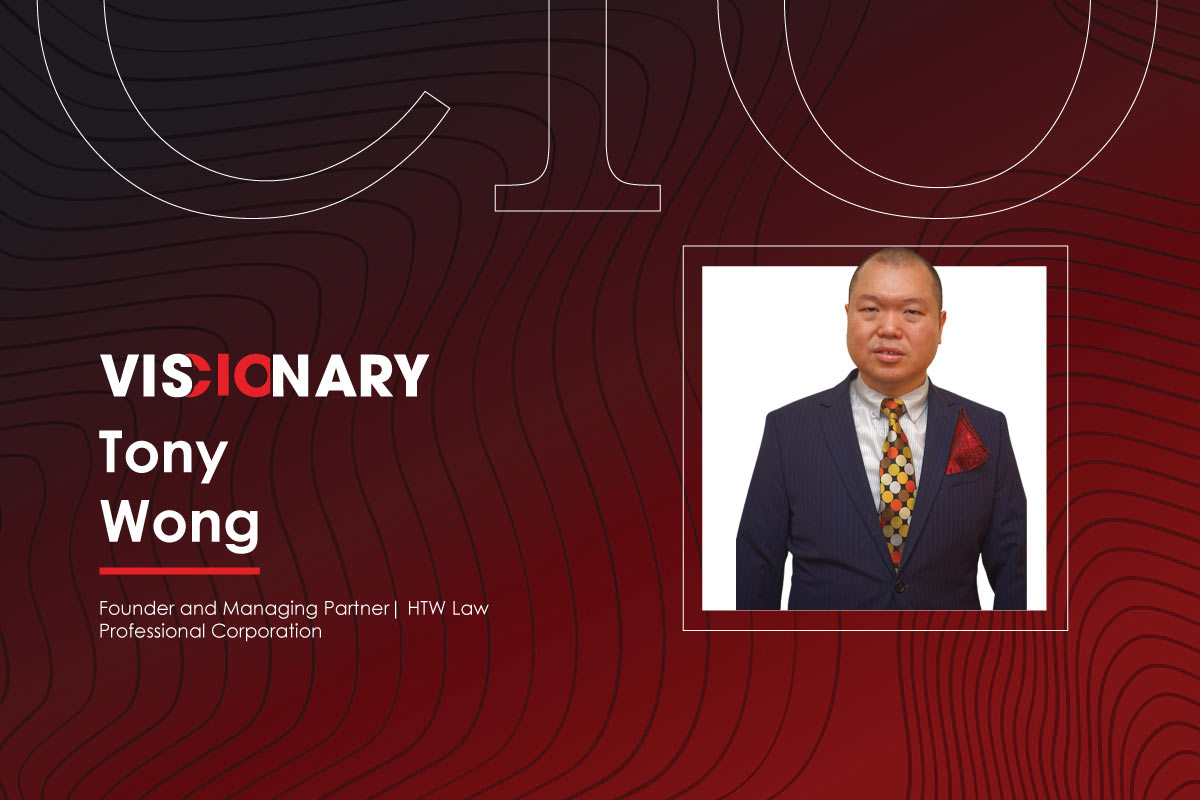
At the center of this evolution stands Tony Wong, Founder and Managing Partner of HTW Law Professional Corporation, a Toronto-based employment law firm recognized for its strategic clarity and commercial focus. Wong represents a new generation of legal leadership that treats employment law as a dynamic intersection of corporate strategy, operational risk, and human relations.
Through a philosophy he describes as strategic pragmatism, Tony Wong has positioned HTW Law as a trusted advisor for businesses navigating executive disputes, workplace restructuring, regulatory compliance, and complex employment negotiations. His leadership approach prioritizes commercial outcomes, ethical clarity, and proactive risk mitigation.
The result is a boutique firm whose influence extends far beyond courtroom advocacy. HTW Law functions as a strategic partner for founders, corporate leaders, and HR executives seeking stability and foresight in a rapidly changing employment environment.
The Journey from Legal Curiosity to Strategic Practice
Tony Wong’s journey into employment law emerged from a curiosity about how organizations function internally. Early in his legal career, he observed a recurring pattern within the industry. Employment disputes often become battlegrounds for aggressive litigation strategies rather than constructive solutions for business challenges.
Many firms approached employment law through purely academic interpretation of statutes and precedent. Wong recognized that such an approach ignored the operational realities faced by companies and their leadership teams.
This observation inspired the foundation of HTW Law on February 20, 2019, in Toronto, Ontario.
From the outset, Tony Wong envisioned a firm that addressed employment issues through a broader strategic lens. A severance negotiation, workplace investigation, or non-compete dispute represented more than a legal problem. Each issue carried financial implications, reputational considerations, and organizational consequences.
Strategic pragmatism therefore, became the defining philosophy of the firm. Legal advice at HTW Law must align with measurable commercial outcomes. Every recommendation considers return on investment, operational stability, and long-term corporate reputation.
In Wong’s view, the strongest legal guidance often becomes indistinguishable from sound business strategy.
Strategic Pragmatism in Employment Law
The philosophy guiding HTW Law rests upon a simple principle. Legal maneuvers must deliver tangible business value.
Employment disputes frequently drain corporate resources through prolonged litigation. Wong emphasizes solutions that protect financial performance and organizational momentum.
When evaluating legal action, HTW Law examines multiple dimensions:
• Financial cost of litigation
• Impact on organizational reputation
• Potential operational disruption
• Long-term workforce stability
A legal victory that generates high costs or reputational harm represents a strategic failure. Wong encourages clients to pursue solutions that safeguard both corporate integrity and financial sustainability.
This approach resonates strongly with modern organizations that operate within competitive global markets where time, talent, and reputation carry immense value.
Leadership Principles Guiding the Firm
To sustain a competitive boutique practice in the Canadian legal market, Tony Wong relies on three foundational leadership pillars.
Agility
The corporate environment changes quite hastily. Employment law now intersects with digital workplace surveillance, algorithmic management systems, and cross-border remote employment structures. Agility enables the firm to anticipate emerging legal risks and adapt its advisory services accordingly.
Commercial Integrity
Clients receive transparent and direct advice. Wong believes honesty strengthens long-term relationships. Clear guidance preserves capital and builds generational trust between advisors and business leaders.
Proactive Risk Management

Forward thinking remains central to the firm’s strategy. Rather than responding only after disputes arise, HTW Law identifies emerging legal exposures early. Anticipating regulatory changes and workplace trends enables clients to prepare effective policies long before conflicts escalate.
These principles allow the firm to function as a preventative advisory partner rather than a reactive litigation service.
Evolution of Leadership in a Technological Era
The early years of HTW Law required Tony Wong to maintain close control over operational decisions. Founders frequently operate within highly hands-on roles to preserve service quality and establish reputation.
As the firm expanded and technological innovation accelerated, Wong recognized the limitations of this approach.
Legal technology began transforming the profession through automated document analysis, artificial intelligence research tools, and cloud-based collaboration platforms. Rather than resist these tools, Wong embraced them early.
AI-driven document review systems reduced time spent on mechanical tasks. Secure cloud infrastructure enabled efficient collaboration across legal teams and clients. Digital knowledge systems streamlined case research and precedent analysis.
Technology therefore, created a shift in leadership focus. Tony Wong transitioned from tactical oversight toward strategic vision. His leadership style now emphasizes empowerment, equipping team members with advanced tools and encouraging independent problem-solving.
This shift allows lawyers within the firm to devote greater attention to strategic counsel and client relationships.
Core Strategic Pillars of HTW Law
| Strategic Pillar | Description | Business Impact |
| Strategic Pragmatism | Legal solutions aligned with business outcomes | Protects financial performance |
| Commercial Integrity | Transparent advice grounded in operational reality | Builds long-term client trust |
| Proactive Risk Strategy | Early identification of workplace legal exposure | Prevents costly disputes |
| Technology Integration | AI tools and digital legal platforms | Enhances efficiency and analysis |
| Client Accessibility | Clear language and strategic communication | Strengthens collaboration |
Differentiation in a Competitive Legal Market
The Canadian legal sector contains numerous large corporate firms alongside specialized boutique practices. HTW Law distinguishes itself by combining attributes typically associated with both structures.
The firm maintains the intellectual rigor and litigation capability expected from major corporate practices. At the same time, its boutique structure allows exceptional responsiveness and personalized client engagement.
Three factors reinforce this differentiation.
Focus on Return on Investment
Every legal strategy undergoes evaluation through a commercial lens. Cost efficiency remains essential to maintaining client confidence.
Holistic Risk Assessment
The firm conducts comprehensive workplace audits rather than addressing isolated disputes. Corporate culture, contract structures, and regulatory compliance receive integrated evaluation.
Strategic Communication
Legal advice appears in language accessible to business leaders. Founders, HR professionals, and executives receive guidance framed within operational priorities rather than purely statutory interpretation.
Building a Culture of Innovation and Learning
Innovation within legal services extends beyond software adoption. Wong believes that intellectual openness forms the foundation of progress.
HTW Law operates with a remarkably flat intellectual hierarchy. Junior lawyers and paralegals contribute ideas for new research methods, negotiation strategies, and analytical approaches. Internal roundtable sessions called strategy incubators allow the team to examine emerging legal precedents, regulatory trends, and new technologies.
Continuous learning remains mandatory within the firm. Employment law intersects with fields such as data privacy, cybersecurity, and human resource management. Staying current across these disciplines ensures the firm delivers advice aligned with modern workplace realities.
Navigating the Remote Work Transformation
The global shift toward remote and hybrid work structures presented a defining moment for employment law. Corporations required immediate guidance regarding workforce restructuring, digital monitoring policies, and cross-jurisdictional employment relationships.
HTW Law advised numerous organizations during this transition while simultaneously adapting its own operations.
This experience reshaped Wong’s management philosophy. Traditional models that measured productivity through office presence lost relevance. The firm adopted an output-driven structure emphasizing efficiency, client satisfaction, and professional well-being.
Trust became central to the firm’s culture. Lawyers gained autonomy to manage their work environments while maintaining rigorous performance standards.
This approach strengthened both morale and productivity across the organization.
| HTW Law Digital Presence and Thought Leadership | |
|---|---|
| Platform | Channel |
| Website | htwlaw.ca |
| YouTube | youtube.com/@htwlaw |
| facebook.com/htwlaw.ca | |
| Twitter/X | twitter.com/htwlawpc |
| pinterest.ca/htwemploymentlaw | |
| Podcast | Employment Law Insights (Apple Podcasts, Spotify, YouTube) |
Expanding a Collaborative Advisory Ecosystem
Employment law rarely exists in isolation. Workplace issues often intersect with taxation, cybersecurity, data privacy, and corporate governance.
Instead of pursuing traditional firm mergers, Tony Wong has prioritized strategic partnerships with complementary experts. HTW Law collaborates closely with human resources consultants, tax professionals, and cybersecurity specialists.
These alliances create a multi-disciplinary advisory framework capable of addressing complex workplace challenges. For example, employee data security concerns may require simultaneous legal, technological, and regulatory expertise.
Such partnerships strengthen the firm’s ability to provide integrated solutions for corporate clients.
Technology and the Human Dimension of Law
The legal profession faces an ongoing debate regarding the role of automation. Artificial intelligence continues to streamline research, document analysis, and contract drafting.
Tony Wong views technology as a force multiplier rather than a replacement for legal judgment.
Automation reduces time spent on repetitive administrative tasks. Lawyers, therefore, gain greater capacity to focus on strategic negotiation, emotional intelligence, and client counseling.
Employment disputes often involve sensitive human dynamics such as executive termination, workplace discrimination allegations, or cultural conflict within organizations. Technology cannot replicate the empathy and nuanced communication required during these conversations.
HTW Law uses digital tools to enhance efficiency while preserving the personal trust essential to legal counsel.
Ethical Leadership and Social Responsibility
Employment lawyers occupy a unique position within the corporate ecosystem. Their work frequently intersects with issues of workplace fairness, equality, and human rights.
HTW Law aligns its internal culture with these responsibilities. Recruitment practices prioritize diversity of background and thought. Ethical transparency guides billing structures and client engagement policies.
The firm also maintains a strong pro bono commitment, representing individuals facing severe workplace discrimination who lack access to elite legal advocacy.
This dedication reflects Wong’s belief that professional influence carries social obligations alongside commercial success.
Mentoring the Next Generation of Legal Leaders
Wong encourages young lawyers to broaden their professional perspective beyond legal doctrine. An exceptional employment lawyer understands corporate financial structures, operational logistics, and organizational psychology.
Studying financial statements and corporate strategy allows legal professionals to provide more relevant advice. Emotional intelligence also plays a critical role in negotiation, mediation, and conflict resolution.
The ability to manage relationships often determines success in high-stakes legal environments.
Vision for the Future of Employment Law
As the workplace evolves through digital transformation and global mobility, employment law faces new conceptual challenges. The definition of employment continues to shift through gig economy platforms, digital nomadism, and decentralized organizations.
Tony Wong envisions HTW Law contributing actively to the development of legal frameworks addressing these issues. His long-term objective centers on establishing the firm as the premier boutique employment law practice in Canada.
This ambition extends beyond reputation. Wong aims to influence the development of jurisprudence that balances human dignity with business innovation across North America.