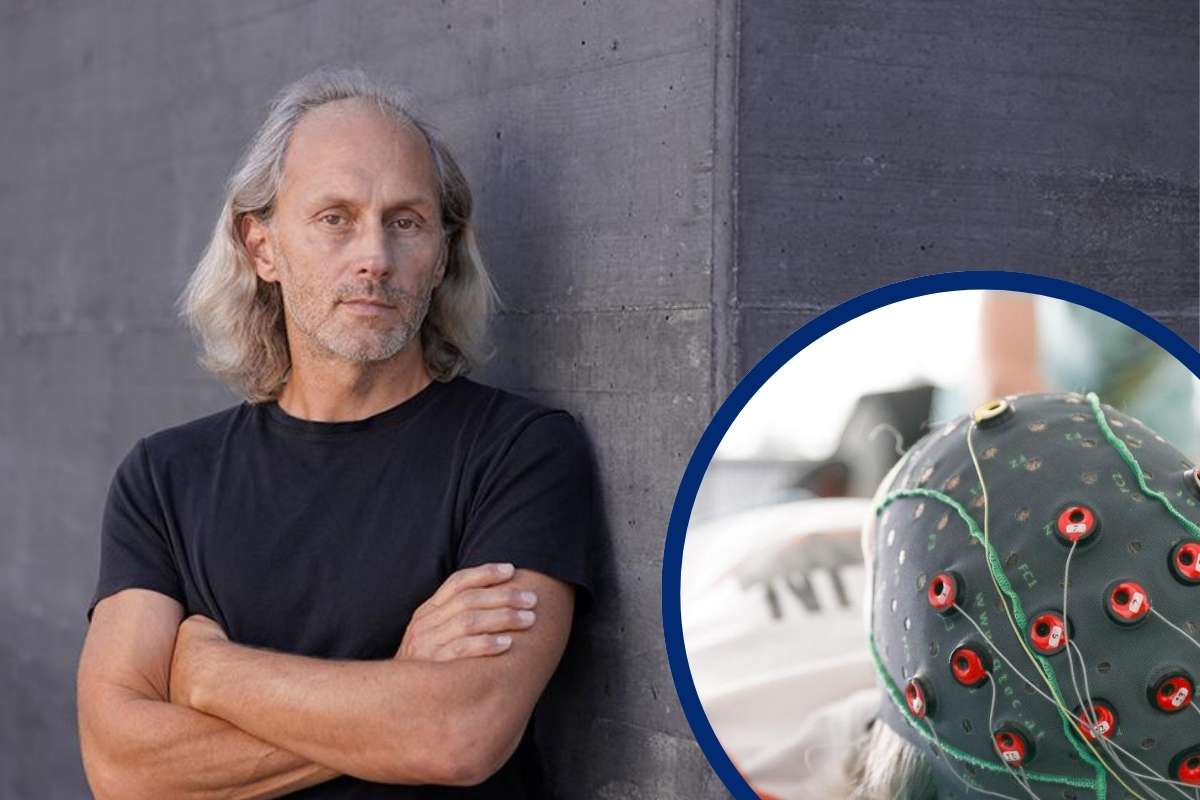
Millions of stroke survivors face permanent paralysis when standard therapy fails. BCI technology solves this problem by reading brain waves directly. This allows patients to bypass damaged nerves to regain physical movement, even decades after an injury. Dr. Christoph Guger’s company, g.tec, uses this tech to change healthcare across 140 countries. Read on to see the specific problems this technology solves and view the latest recovery data
What sparked the development of non-invasive BCI technology?
While studying biomedical engineering, Christoph Guger realized that reading brain waves in real time could truly help people. Instead of entering high-paying fields like wind energy, he focused his 1999 doctoral project on human brain signals. He knew that understanding the brain was a great way to give patients their independence back.
Starting a business to read brain data without surgery was a huge financial risk back then. Guger started g.tec in Austria to build medical tools that could read clear brain signals. By prioritizing signal clarity over raw algorithm speed, his team laid the groundwork for modern medical neurotechnology.
Ahead, we see how this BCI technology tackles complex medical conditions, what the latest recovery numbers reveal about patient outcomes, and how Christoph Guger plans to take these tools mainstream.
How does BCI technology solve major health problems that regular treatments miss?
For years, the medical community viewed brain-computer interfaces as speculative science fiction or clumsy laboratory experiments. BCI technology struggled with fuzzy signals, slow translation speeds, and long setup times for users. Christoph Guger wanted to fix these exact engineering and clinical problems.
Today, g.tec’s advanced systems solve three major medical issues that standard treatments cannot fix:
1. Bypassing Damaged Neural Pathways
When a stroke or injury damages the brain, the path that carries movement signals to the muscles breaks. Standard physical therapy cannot do much if that path is completely gone.
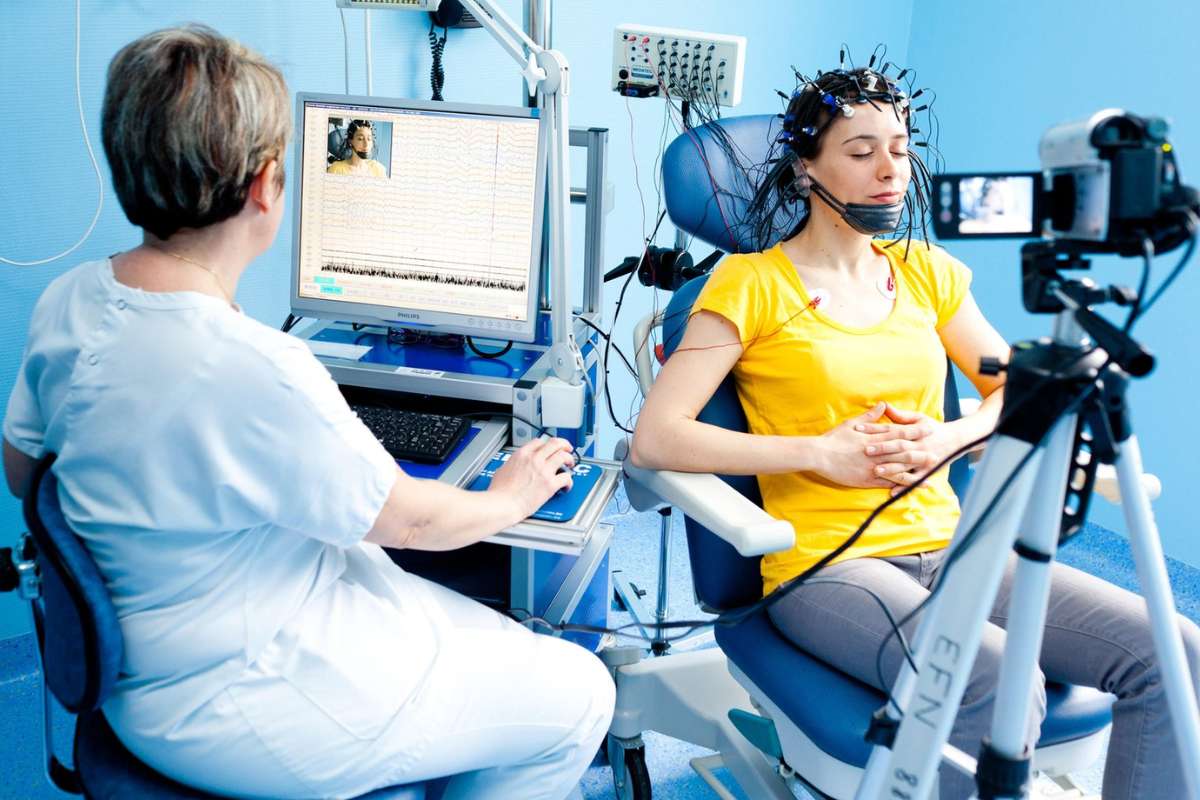
Guger’s system, recoveriX, fixes this by creating a new loop. When a patient simply imagines moving a hand, the EEG cap detects that specific brain activity. The computer instantly sends a signal to a muscle stimulator on the patient’s arm, making the hand physically move. At the same time, the patient watches a virtual reality screen show the action. This direct link between thinking, seeing, and feeling forces the brain to rewire itself and find new pathways to control the body.
2. Testing for Hidden Consciousness
People with severe brain injuries are sometimes labeled as vegetative or completely non-responsive. Doctors often have to guess if these patients can hear or understand anything around them.
The mindBEAGLE system solves this by reading internal thoughts. The system plays specific sounds or taps the patient’s skin while reading their brain waves. It looks for a distinct electrical wave called the P300, which happens when the brain notices a change or follows an instruction, like counting a sound. If the system detects this wave, it proves the patient is conscious and aware, even if they cannot move a single muscle or blink an eye.
3. Removing Diagnostic Guesswork
Standard brain maps are often blurry because they use very few sensors on the scalp. This forces doctors to make assumptions during complex treatments or surgeries.
Guger solved this by developing high-density EEG grids, like the g. Pangolin, which uses up to 1,024 channels. This hardware gives doctors a clear picture of brain activity in real time. During surgeries for brain tumors or epilepsy, doctors can see exactly which tiny areas of the brain control speech and movement. This precise data allows surgeons to protect healthy tissue and avoid permanent damage.
What Impact Does BCI Technology Have on Patient Recovery?
The real success of any medical tool comes down to its empirical patient outcomes. This is exactly where g.tec’s main system, recoveriX, does best. The system uses a closed-loop therapeutic architecture to help patients heal.
When a patient thinks about moving a hand or foot, the system senses that thought through active EEG electrodes. It quickly triggers functional electrical stimulation (FES) to move the physical muscles. At the same time, the patient watches a virtual reality avatar move on a screen.
This triple-feedback loop helps trigger neuroplasticity, which is the brain’s natural ability to rewire its neural networks. Clinical data show this therapy drops spasticity, stops tremors, and brings back gross motor skills. These changes happen even in chronic patients who had their strokes 10 to 30 years ago.
A 2026 study in ‘Frontiers in Medicine’ shows how well this therapy works compared to old methods:
| recoveriX BCI Therapy Results | Patient Group and Test | Standard Therapy Alternatives |
| +4.68 Motor Points Higher | Chronic Stroke Arm Test | No measurable improvement |
| +6.50 Motor Points Higher | High Accuracy Users | Unstructured and slow tracking |
| +37.3 Meters Further (6-Min Walk Test) | Multiple Sclerosis Walking Test | Decline in walking ability |
| 15.5% Faster Movement | MS Mobility Speed Test | Getting worse at the usual rate |
High-Density EEGs and AI: The g.tec Technical Advantage
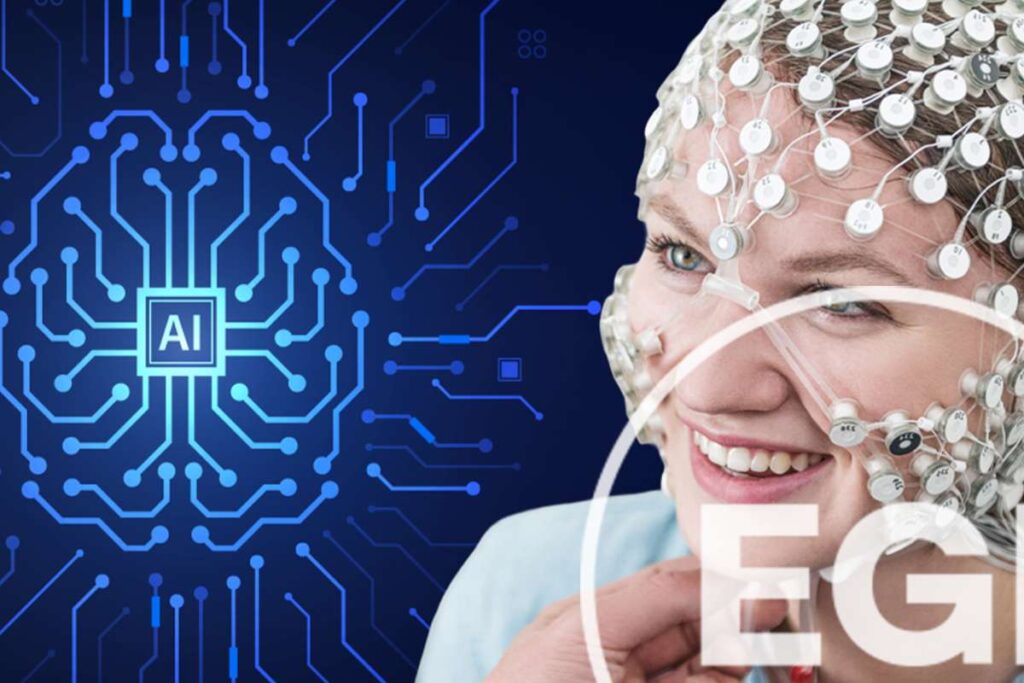
The major difference between laboratory prototypes and scalable hospital equipment comes down to hardware precision. Guger’s team broke past detail limits when they made the g.Pangolin EEG, which features an ultra-high-density 1024-channel grid.
This hardware lets doctors spot functional brain regions with surgical accuracy during complex procedures like epilepsy mapping and tumor removals.
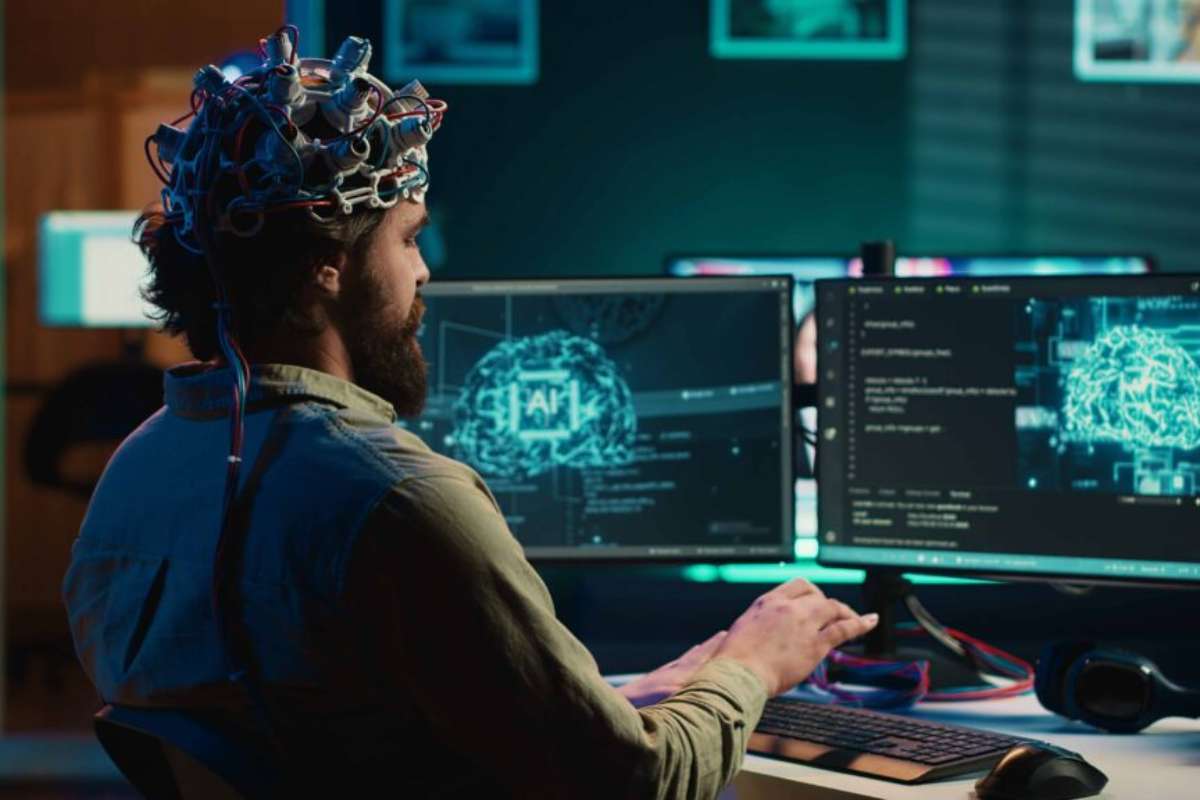
For everyday users and creators, g.tec created the Unicorn BCI Core-8 and Hybrid Black. These small, portable 8-channel headsets open up raw EEG tracking to global researchers, software developers, and educators. When you combine this wearable hardware with custom deep learning models, the system hits a near-perfect classification accuracy in real time.
Will Brain-Computer Interfaces Replace Smartphones?
Christoph Guger does not see neurotechnology as just a small medical tool. Instead, he thinks wearable non-invasive headsets will become as common as smartphones. In his view, future versions will grow from clinical rehabilitation tools into everyday systems for learning, creating, and gaming.
To help make this happen, g.tec builds a global community of new neuro-engineers. The company hosts the annual BCI Spring School, which has brought in over 90,000 people from around the world. They also run the competitive BR41N.IO Hackathons. For new entrepreneurs entering the field, Guger gives simple advice: pick one important problem, build clean signal data, and run toward it at full speed.
Frequently Asked Questions
How does Christoph Guger’s tech work without surgery?
Guger’s g.tec focuses heavily on non-invasive medical solutions. Their tools use sensors on top of the skin. This makes the treatment safe and easy to use in local clinics.
Are non-invasive BCI therapies covered by health insurance?
Coverage depends on the region. In parts of Europe, some health insurance providers and state funds reimburse or cover recoveriX treatments. In the United States, coverage varies by clinic and provider as g.tec expands its FDA-cleared systems, though many locations currently run on a self-pay model or use research grants.
Are there any side effects or risks with non-invasive brain-computer interfaces?
Because systems like recoveriX and mindBEAGLE use sensors on top of the skin rather than surgery, they are incredibly safe. The most common side effects are minor skin redness from the gel or electrodes, and temporary mental fatigue after a session, which is similar to the tiredness you feel after studying hard.