Key Takeaways:
- NVIDIA introduced powerful new artificial intelligence architectures for personal and enterprise systems.
- Hardware focuses on powering autonomous digital agents and physical robotics frameworks.
- CEO Jensen Huang rejected job loss fears, predicting productivity will boost employment.
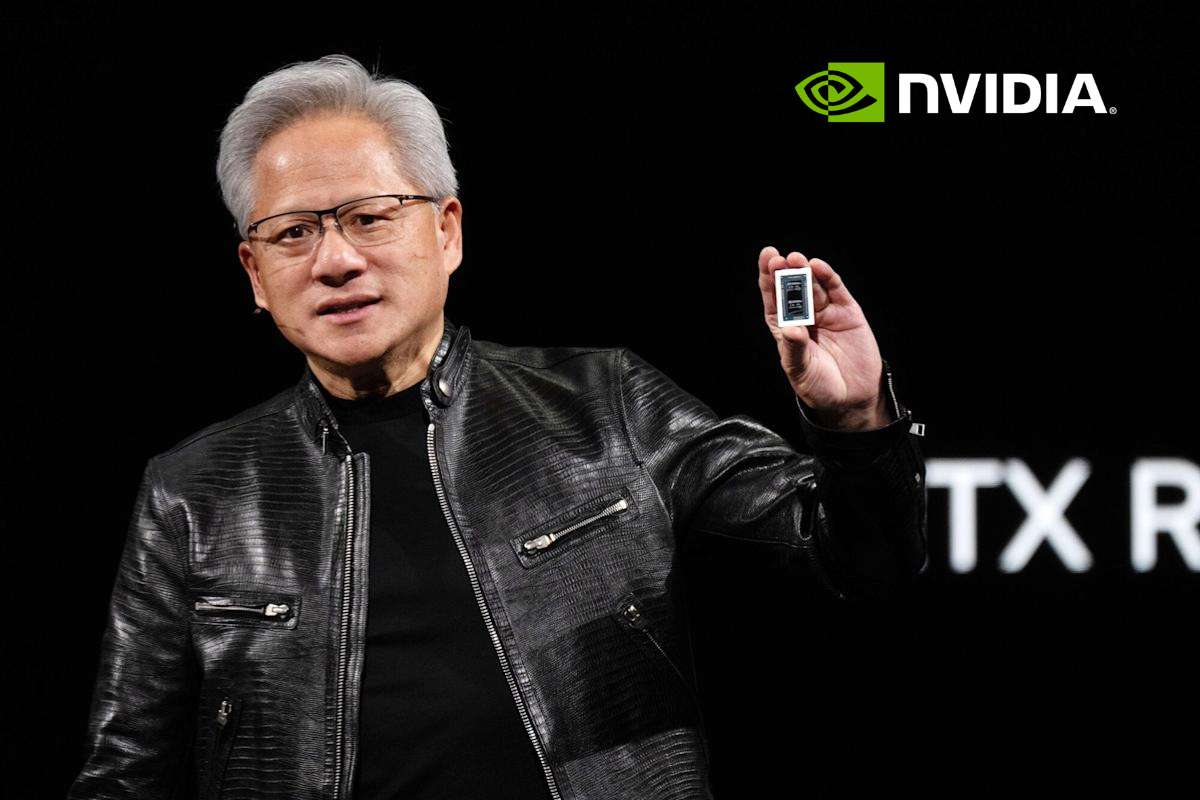
NVIDIA CEO Jensen Huang unveiled the company’s next-generation artificial intelligence hardware platforms, including the RTX Spark consumer superchip and Vera Rubin enterprise systems, during a keynote address on Monday at the annual Computex trade show to capture the emerging market for autonomous digital agents.
The global electronics exhibition attracted 1,500 exhibitors from 33 countries to Taipei, positioning the region at the center of the global semiconductor industry. The massive product rollout underscores Nvidia’s corporate strategy to transition past traditional graphics cards into complete, integrated computing ecosystems.
Company executives designed the newly launched architectures to power what they call agentic and physical AI frameworks. Market analysts note that these specialized models move beyond simple chat queries to autonomously manage complex enterprise workflows and local personal computing tasks.
New Chip Overhauls Personal Computing
The new consumer-focused hardware platform seeks to overhaul traditional desktop and laptop operations by integrating artificial intelligence operations directly into personal devices.
Developed in a three-year partnership with Microsoft and manufactured alongside Taiwan’s MediaTek, the consumer chip aims to shift computing tasks away from remote cloud servers.
According to technical specifications released during the event, the architecture allows personal devices to run hyperintelligent digital co-workers natively. Company officials stated the software interface can navigate personal operating systems autonomously, executing routine digital processes without requiring typical manual keyboard inputs.
Major consumer hardware manufacturers have already committed to deploying the new processor line later this fiscal year. Global technology brands, including Dell, HP, Lenovo, and Asus, plan to launch a wave of thin, highly efficient laptops featuring the superchip this fall.
Enterprise Architecture Drives Data Centers
For large-scale enterprise infrastructure, Nvidia transitioned its high-performance computational platform into full production. The high-end data center layout integrates advanced processing units, proprietary storage systems, and networking racks to deliver 10 times the computational throughput of previous configurations.
Early corporate adopters of the server-grade central processors include prominent aerospace and artificial intelligence firms like SpaceX, OpenAI, and Anthropic. Senior financial analysts estimate that entering this broader enterprise server market exposes the semiconductor company to a fresh 200-billion-dollar infrastructure sector.
The corporate development group also launched an open-world foundation model engineered specifically for robotic reasoning and industrial world simulation. The system utilizes an advanced multi-transformer blueprint to compress physical machine training cycles from months down to days.
Industry Experts Forecast Market Shifts
The product announcements sparked significant movement across global financial markets during early trading sessions. NVIDIA’s stock advanced four percent following the presentation, while major rival semiconductor manufacturers saw their share prices decline between four and eight percent.
Industry specialists expressed strong optimism regarding the long-term structural changes the new hardware could bring to consumer electronics. “The RTX Spark looks to transform the traditional app-centric PC to a really useful agentic AI personal computer,” said Neil Shah, co-founder of Counterpoint Research.
Company leadership strongly rejected widespread concerns that automated systems would displace technical workforces. “People talk about AI reducing jobs – complete nonsense,” Nvidia CEO Jensen Huang said during his presentation, arguing that the technology will instead boost software engineering employment by enhancing daily productivity.
Stay informed with the newest leadership and tech news from Visionary CIOs Magazine.