Key Takeaways
- Honeywell Aerospace CEO Jim Currier prioritizes the supply chain investment to unlock backlog revenue
- $19 billion backlog grows at 20% annually across platforms
- 30% of the defense segment share comes from international markets
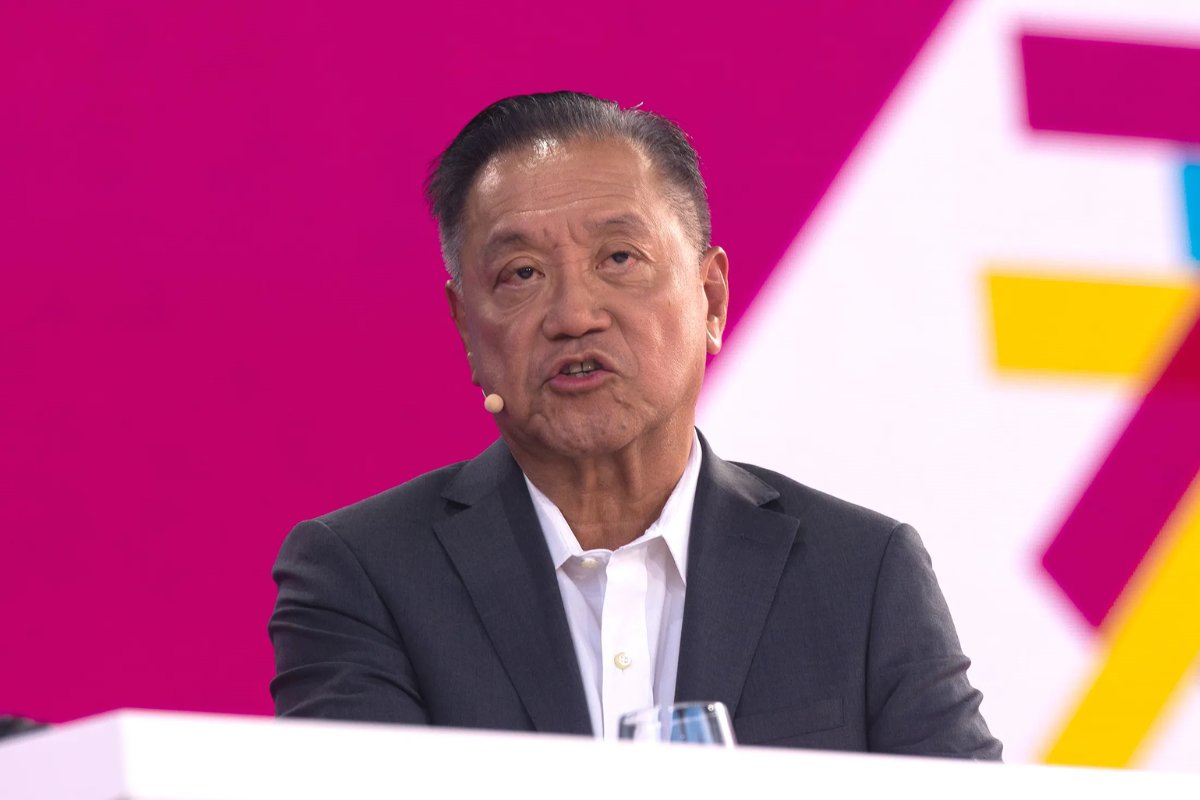
Honeywell Aerospace began trading as an independent company following its separation from Honeywell, with Chief Executive Officer Jim Currier outlining a focused leadership approach centered on capital discipline and operational execution.
CEO Emphasizes Supply Chain As Core Growth Lever
Honeywell Aerospace CEO Jim Currier said the company’s immediate priority is investing in its supply base to unlock production capacity. He described the business as a major provider of critical systems embedded across more than 250 commercial and defense platforms, highlighting the scale of its installed base.
The company holds a backlog exceeding $19 billion, which is expanding at 20% annually. According to Currier, the ability to convert this backlog into revenue depends on improving supplier output and ensuring consistent production flow. He identified supplier investment, including tooling, inventory, and capacity expansion, as essential to meeting demand.
Currier placed this focus ahead of acquisitions and other capital allocation decisions, indicating that operational readiness takes precedence in the early phase of the company’s independence. The approach reflects ongoing supply constraints across the aerospace sector, where production delays have been linked to supplier limitations.
Leadership View On Independent Structure And Strategy
Currier described the separation from Honeywell as a structural advantage, allowing Honeywell Aerospace to allocate capital without internal competition from other industrial segments. He emphasized that the standalone structure enables sharper focus on aerospace-specific growth priorities.
He outlined a strategy based on developing technology once and deploying it across multiple platforms. This model applies to both commercial aviation and defense segments, enabling broader utilization of research and development investments.
Currier also highlighted the company’s exposure to global defense markets, noting that international business accounts for approximately 30% of the defense segment. This distribution supports revenue diversification and reflects demand across multiple regions.
The CEO positioned Honeywell Aerospace’s dual presence in commercial and defense markets as a key strength, allowing it to balance demand cycles and maintain steady growth across different segments.
Execution Focus And Performance Metrics
Currier indicated that execution will be measured by the company’s ability to translate its backlog into revenue. Key performance factors include supplier capacity, production timelines, and order fulfillment rates.
The backlog growth rate of 20% provides visibility into future demand, but achieving revenue targets depends on addressing supply chain constraints. Currier’s comments suggest that leadership will closely monitor capital deployment to ensure alignment with operational priorities.
The CEO also noted that once Honeywell Aerospace’s supply chain capacity is strengthened, the company may evaluate additional growth opportunities, including acquisitions. However, the current focus remains on ensuring that existing demand is met efficiently.
Through his initial remarks as head of the independent company, Currier established a clear leadership direction centered on disciplined capital allocation, supply chain investment, and execution against a record backlog.
Visit more of our news! Visionary CIOs