Key Takeaways:
- Soaring memory chip demand for AI infrastructure forces major price hikes.
- Tim Cook calls the current hardware supply shortage a hundred-year flood.
- Rising component costs threaten global consumer electronics shipments and retail prices.
Tech Titans Confront Severe Component Shortage
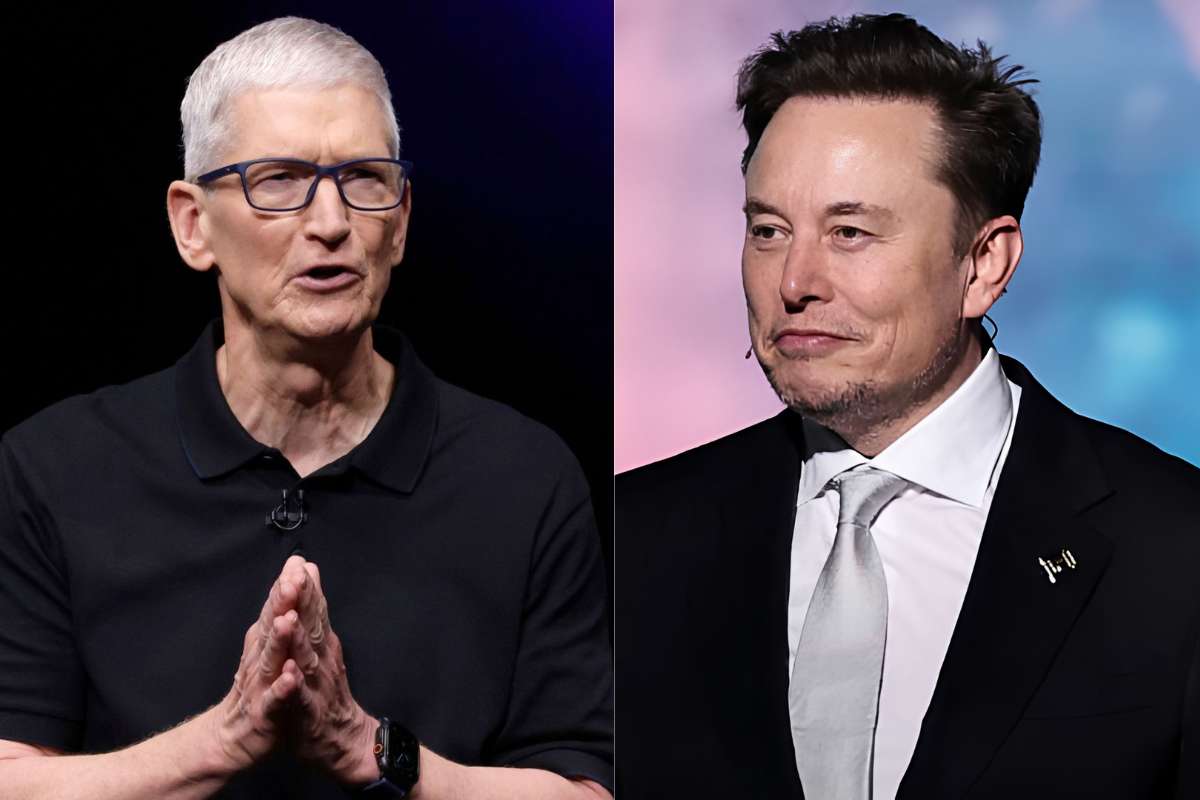
Apple CEO Tim Cook and billionaire Elon Musk have issued urgent warnings regarding a historic memory chip shortage, as surging AI infrastructure demand triggers significant price increases for consumer electronics.
The crisis, which industry experts describe as a “hundred-year flood,” stems from a massive influx of capital into high-bandwidth memory for AI data centers. Consequently, supply chain constraints have forced Apple to raise prices on Macs and iPads by hundreds of dollars, signaling a potential contraction in the broader consumer device market.
Supply Chain Bottlenecks Impact Global Markets
The scarcity of essential Memory chip components has fundamentally altered production priorities, as chip suppliers favor high-margin AI data center contracts over consumer electronics. This pivot has left manufacturers like Apple, Dell, and Nintendo scrambling for inventory, leading to widespread cost increases.
“This is a hundred-year flood,” Cook recently told The Wall Street Journal. “I’ve never seen anything like it in any area in over 40 years.”
Musk corroborated the severity of the situation on his social media platform, X, noting that the component price surge is among the most dramatic he has witnessed in the technology industry. His support of the assessment is significant, as SpaceX and xAI operations are simultaneously driving the very demand that is consuming available chip supply.
Analysts Forecast Industry-Wide Price Pressures
The repercussions of this Memory chip shortage extend well beyond Apple’s immediate product updates. Gartner analysts predict that the higher memory costs will reduce global personal computer shipments by 10.4% and smartphone shipments by 8.4% throughout 2026.
“Even Apple can’t be safe, as much as they have all the expertise and long-term planning,” said Ranjit Atwal, a Gartner analyst. “This is beyond their capacity to limit the impact.”
While Apple has not yet specified a timeline for potential iPhone price adjustments, market observers suggest the cost of consumer hardware will likely remain elevated. As companies navigate this volatility, the tech sector faces a difficult period of balancing the rapid expansion of artificial intelligence with the needs of the consumer hardware market.
Explore Visionary CIOs Magazine to stay updated on industry trends and leadership stories.