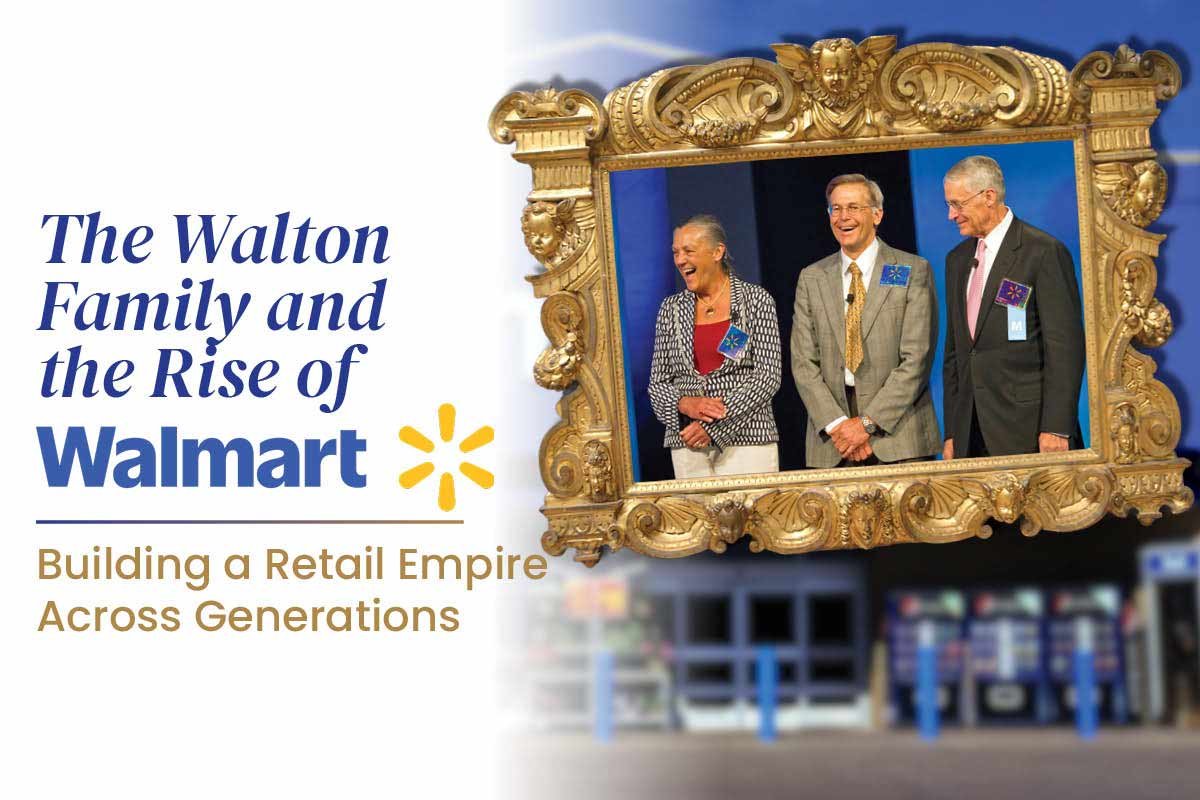
The Walton family shaped modern retail through the vision of Sam Walton and his brother, Bud Walton. They opened the first Walmart in Arkansas with a simple goal: to offer low prices. Decades later, the family still holds significant ownership and plays an important role in the company’s direction. Their story reflects more than great wealth.
It shows how careful leadership, long-term planning, and shared family commitment created a retail empire that continues across generations and has a lasting influence worldwide today.
The brothers before the brand

Every lasting business has a story before its biggest success.
Hard Work First: Sam Walton grew up during the Great Depression, where daily responsibilities taught him discipline, thrift, and determination. He later studied economics at the University of Missouri and gained valuable retail experience while working for J.C. Penney.
Learning Through Experience: Military service during World War II improved his leadership, planning, and decision-making. After returning home, Sam purchased a Ben Franklin franchise and began testing practical retail ideas.
A Strong Partnership: Bud Walton became his trusted business partner, offering steady support and practical advice. Together, the brothers refined customer service, competitive pricing, and efficient store operations before opening the first Walmart.
Those early lessons prepared the brothers for Walmart’s remarkable journey.
Building Walmart: One store that became a retail giant
A single store marked the beginning of an extraordinary retail success story.
1962: The First Store Opens
Sam Walton opened the first Walmart store in Rogers, Arkansas. His goal was to offer lower prices to families living in small towns, where shopping choices were often limited.
1960s: Reaching Rural America
The business expanded across rural communities that many national retailers overlooked. Every new store followed the same promise of affordable prices, efficient operations, and reliable customer service.
1970: A New Chapter
Walmart became a publicly traded company, providing fresh capital to support faster expansion. The company also invested in distribution centers and better supply systems that improved inventory management while keeping costs low.
Growth into a retail leader
Cost control remained a key business principle, allowing Walmart to pass savings to customers. Continued expansion across the United States and international markets helped the company achieve major milestones, eventually becoming the world’s largest retailer and serving millions of shoppers each week.
Each milestone brought Walmart closer to becoming a global retail leader.
Keeping it in the family: The Walton business bloodline
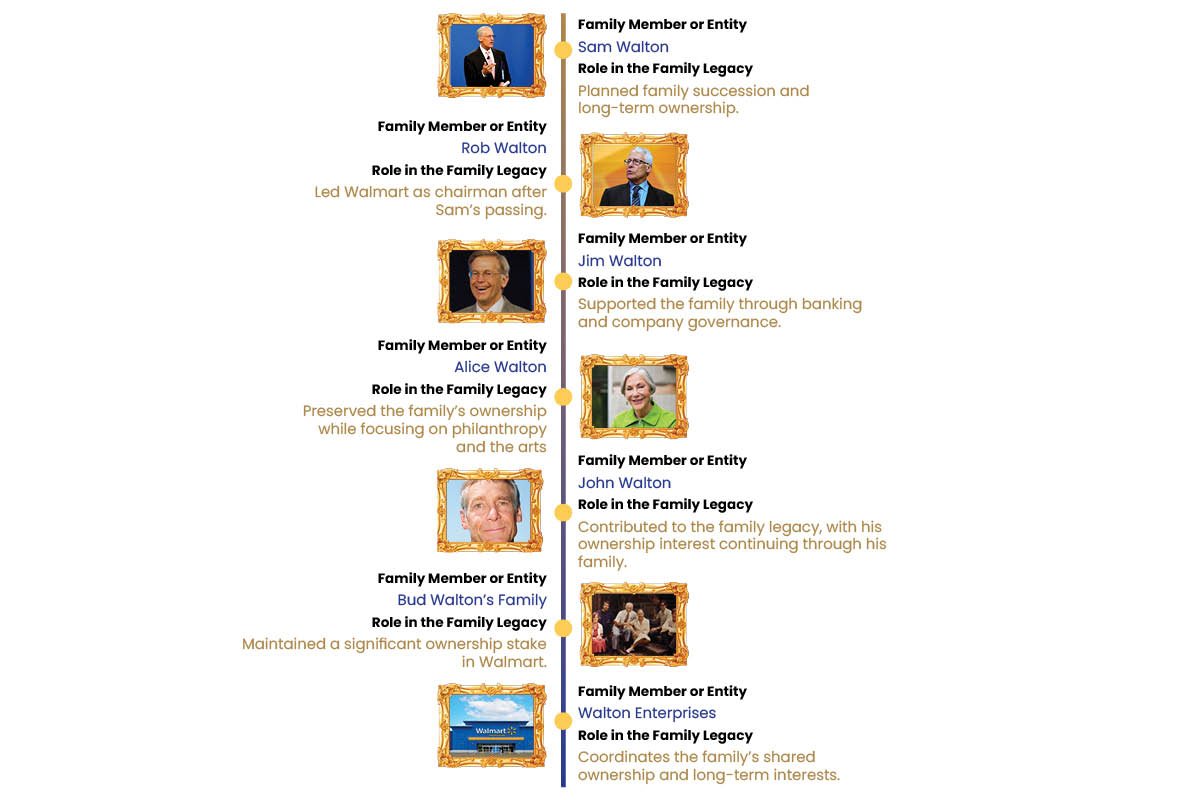
Careful planning helped the Walton family keep ownership connected across generations.
| Family Member or Entity | Role in the Family Legacy |
| Sam Walton | Planned family succession and long-term ownership. |
| Rob Walton | Led Walmart as chairman after Sam’s passing. |
| Jim Walton | Supported the family through banking and company governance. |
| Alice Walton | Preserved the family’s ownership while focusing on philanthropy and the arts. |
| John Walton | Contributed to the family legacy, with his ownership interest continuing through his family. |
| Bud Walton’s Family | Maintained a significant ownership stake in Walmart. |
| Walton Enterprises | Coordinates the family’s shared ownership and long-term interests. |
That shared approach has kept the family’s influence strong for decades.
The Walton family today: Influence beyond the boardroom
The Walton family’s role has changed, but its connection to Walmart remains strong.
- Greg Penner: Serves as Walmart’s board chair through his family connection and provides oversight at the board level.
- Younger Generations: Continue the family’s presence through business interests, investments, and governance responsibilities.
- Professional Leadership: Experienced executives handle Walmart’s daily operations while the family focuses on long-term ownership and major decisions.
- Shared Goal: Family ownership remains a key part of Walmart’s future, helping preserve stability and continuity across generations.
This approach helps the family preserve its legacy while preparing the business for future generations.
Wealth, philanthropy, and long-term thinking
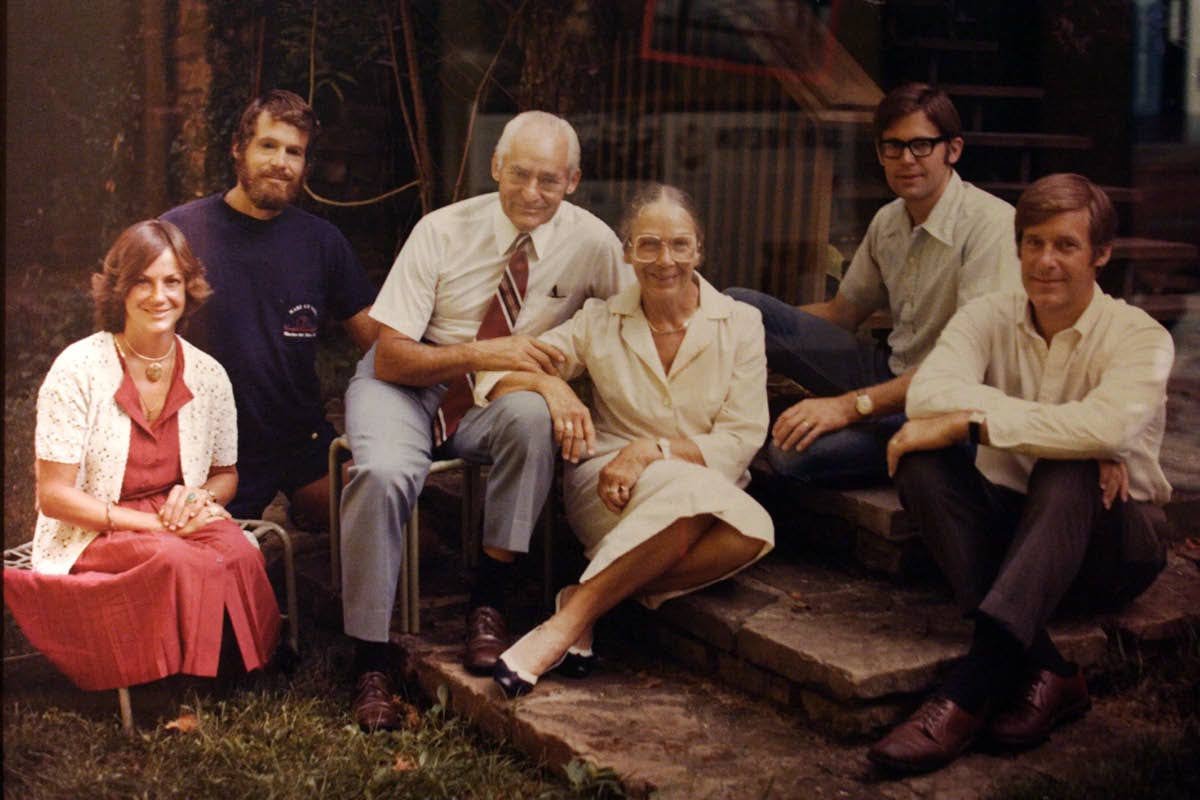
The Walton family’s success extends beyond Walmart through careful wealth management and purposeful giving.
Pillar 1: Wealth Through Walmart: Walmart stock remains the foundation of the Walton family’s wealth and continues to support its financial position.
Pillar 2: Long-Term Ownership: The family has retained a significant ownership stake for decades, reflecting confidence in the company’s future and a commitment to lasting stability.
Pillar 3: The Walton Family Foundation: The foundation supports education, environmental conservation, and community development through carefully planned charitable initiatives.
Pillar 4: Investments Beyond Retail: The family has expanded its interests into banking, sports ownership, and other business ventures, creating a broader investment portfolio outside Walmart.
Pillar 5: A Long-Term Philanthropic Vision: The Walton family’s charitable giving reflects patience and careful planning instead of seeking immediate recognition. This approach shows how the family manages wealth with future generations in mind while supporting projects that create lasting benefits for communities and society.
This long-term approach has helped preserve both the family’s wealth and its broader legacy.
Six business lessons from the Walton family
- Think Long Term: Focus on lasting value instead of quick rewards.
- Build Before Expanding: Create reliable systems before pursuing significant growth.
- Keep Ownership Aligned: Ensure ownership supports shared family goals and long-term stability.
- Prepare the Next Generation: Introduce future family members to business responsibilities early.
- Stay Financially Disciplined: Maintain careful spending and sound decision-making, even after achieving success.
- Preserve Core Values: Protect the principles that built the business while allowing leadership to adapt over time.
The Walton family’s story shows how planning, discipline, and continuity can sustain a business across generations, making it one of the strongest examples of a lasting business bloodline.
Don’t miss: Amazon vs. Walmart: Which One is Winning the Heart of Shoppers?
Final thoughts
The Walton family’s journey shows how clear goals, careful planning, and responsible ownership can build a business that lasts for generations. What began as a single discount store became a global retail company through disciplined decisions and steady leadership. Even as Walmart expanded, the family remained committed to long-term ownership while allowing experienced executives to manage daily operations.
Their approach to succession, investment, and philanthropy reflects a focus on lasting impact rather than short-term success. For entrepreneurs, business owners, and family enterprises, the Walton story offers practical lessons about patience, preparation, and shared purpose. Their legacy continues because each generation has respected the values that built Walmart while preparing the company for the future.