Every day, millions of packages travel across cities, countries, and continents with remarkable precision. Whether it’s an online purchase, a critical medical shipment, or an important business document, chances are it reaches its destination through either FedEx or UPS. While customers simply expect their packages to arrive on time, behind every delivery lies one of the most enduring business rivalries in modern commerce.
The FedEx vs. UPS rivalry is more than a competition between two courier companies. It is a story of innovation, strategy, branding, and constant adaptation. For decades, both companies have challenged each other to rethink logistics, improve efficiency, and raise customer expectations. Their competition has shaped the global shipping industry and continues to influence how businesses and consumers connect worldwide.
Two Companies, Two Different Beginnings
Although they dominate the same industry today, UPS and FedEx were built on very different foundations.
Every great company starts with an idea, and FedEx is no exception. While studying at Yale University, Frederick W. Smith envisioned a faster way to move packages through a centralized hub-and-spoke system. What began as a college paper became the foundation of FedEx. Founded in 1971, the company launched operations from Memphis, Tennessee, in 1973, pioneering overnight delivery. It later introduced self-service drop boxes in 1975, and in 1994 officially adopted the shorter, customer-favored name FedEx.
UPS followed a very different path. In 1907, teenagers Jim Casey and Claude Ryan started The American Messenger Company in a Seattle basement with a $100 loan. Built on dependable service and customer trust, the business expanded to Oakland, California, in 1919 and adopted the name United Parcel Service (UPS). That same year, it introduced its now-iconic brown delivery vehicles, a symbol of professionalism and reliability that continues to define the brand.
Though their beginnings couldn’t have been more different- one driven by innovation, the other by operational excellence- FedEx and UPS grew into two of the world’s biggest logistics companies, setting the stage for one of business’s most enduring rivalries.
Timeline of the Rivalry
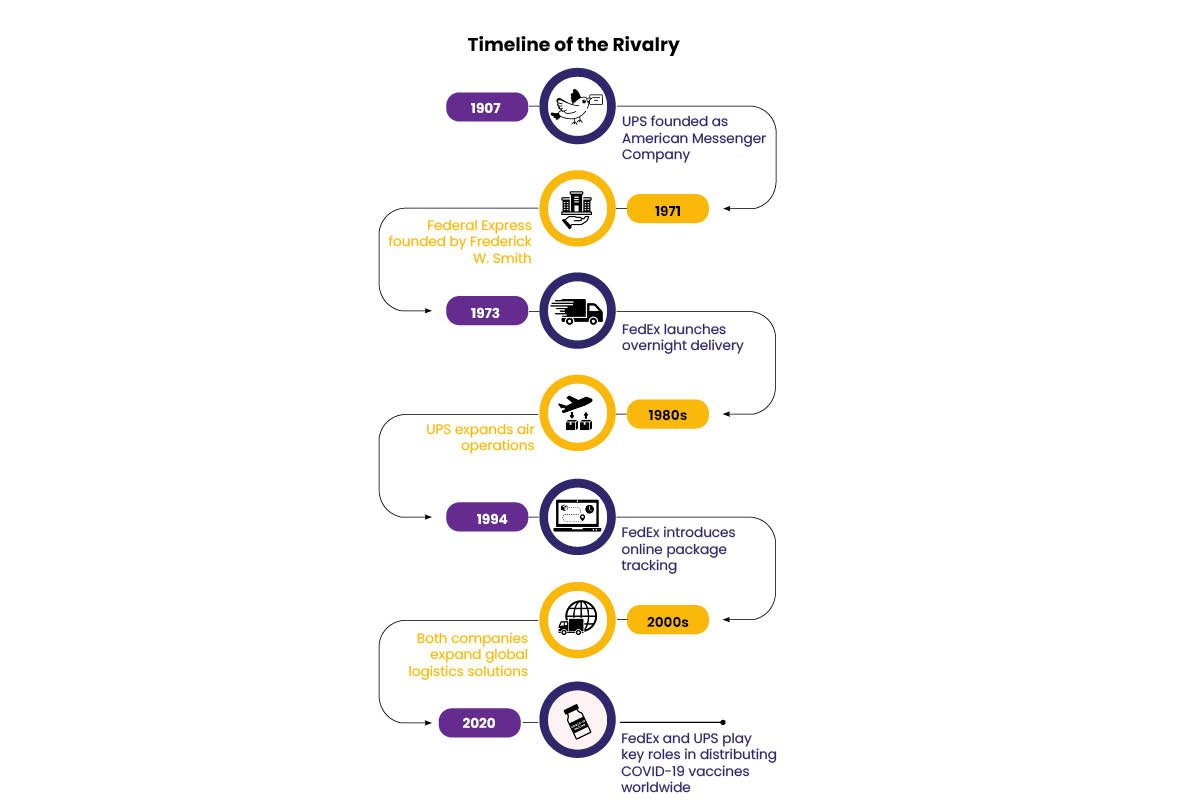
- 1907 – UPS founded as American Messenger Company
- 1971 – Federal Express founded by Frederick W. Smith
- 1973 – FedEx launches overnight delivery
- 1980s – UPS expands air operations
- 1994 – FedEx introduces online package tracking
- 2000s – Both companies expand global logistics solutions
- 2020 – FedEx vs. UPS play key roles in distributing COVID-19 vaccines worldwide
Different Strategies, Same Goal
While both companies dominate the logistics industry, they have taken very different paths to get there. UPS has built its success on operational efficiency through an integrated network that combines its air and ground services. Its business is driven by three core segments, U.S. Domestic Package, International Package, and Supply Chain Solutions, with a strong focus on business customers, e-commerce, and healthcare logistics. This disciplined approach has helped UPS maintain consistently strong profit margins.
FedEx, on the other hand, built its reputation on speed. Its Express and Ground divisions have traditionally operated as separate networks, allowing the company to specialize in different delivery services. Backed by one of the world’s largest air cargo fleets, FedEx has focused on time-sensitive shipping, global reach, and technology-driven logistics.
In short, while UPS competes through efficiency, FedEx competes through speed, two distinct strategies that have kept both companies at the top of the global logistics industry.
FedEx vs. UPS: At a Glance
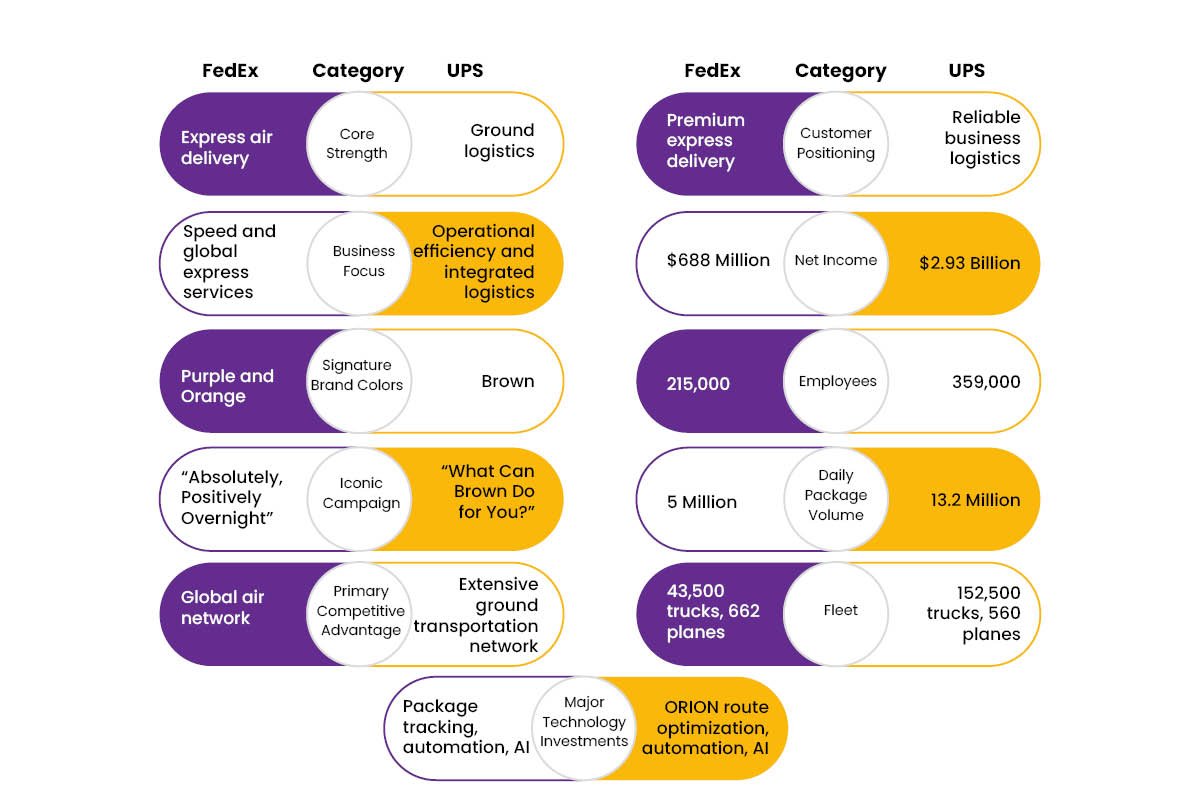
To better understand the FedEx vs. UPS rivalry, here’s a side-by-side comparison of how the two logistics giants stack up today.
| Category | FedEx | UPS |
|---|---|---|
| Core Strength | Express air delivery | Ground logistics |
| Business Focus | Speed and global express services | Operational efficiency and integrated logistics |
| Signature Brand Colors | Purple and Orange | Brown |
| Iconic Campaign | “Absolutely, Positively Overnight” | “What Can Brown Do for You?” |
| Primary Competitive Advantage | Global air network | Extensive ground transportation network |
| Major Technology Investments | Package tracking, automation, AI | ORION route optimization, automation, AI |
| Customer Positioning | Premium express delivery | Reliable business logistics |
| Net Income | $688 Million | $2.93 Billion |
| Employees | 215,000 | 359,000 |
| Daily Package Volume | 5 Million | 13.2 Million |
| Fleet | 43,500 trucks, 662 planes | 152,500 trucks, 560 planes |
Branding and Marketing: Winning Beyond the Delivery
The rivalry between FedEx vs. UPS isn’t just fought through delivery networks; it’s also reflected in the way each brand tells its story. Over the years, both companies have built powerful identities, but they’ve taken very different approaches to earning customer trust.
FedEx has always been associated with speed. The iconic slogan, “When it absolutely, positively has to be there overnight,” didn’t just promote a service; it changed what customers expected from package delivery. From memorable advertising campaigns to sponsorships like the FedExCup and a strong digital presence, the company has consistently positioned itself as the delivery partner for businesses that can’t afford delays.
UPS has built its reputation differently. Instead of emphasizing speed, it has focused on reliability and trust. Its familiar brown trucks and uniforms have become a symbol of dependable service around the world. Campaigns such as “What Can Brown Do for You?” highlighted the company’s ability to solve business challenges, while its more recent “Be Unstoppable” campaign celebrates resilience and helps position UPS as a partner that supports businesses through every stage of growth.
Despite their different styles, both companies have adapted to the digital age. They now use social media, content marketing, and integrated campaigns to stay connected with customers and strengthen their brands. In many ways, their marketing reflects their business philosophies: FedEx promises speed when every minute matters, while UPS promises reliability when every delivery counts. It’s this clear distinction that has helped both companies remain household names in the global logistics industry.
The Headlines They’d Rather Avoid: FedEx Under Scrutiny (2025)
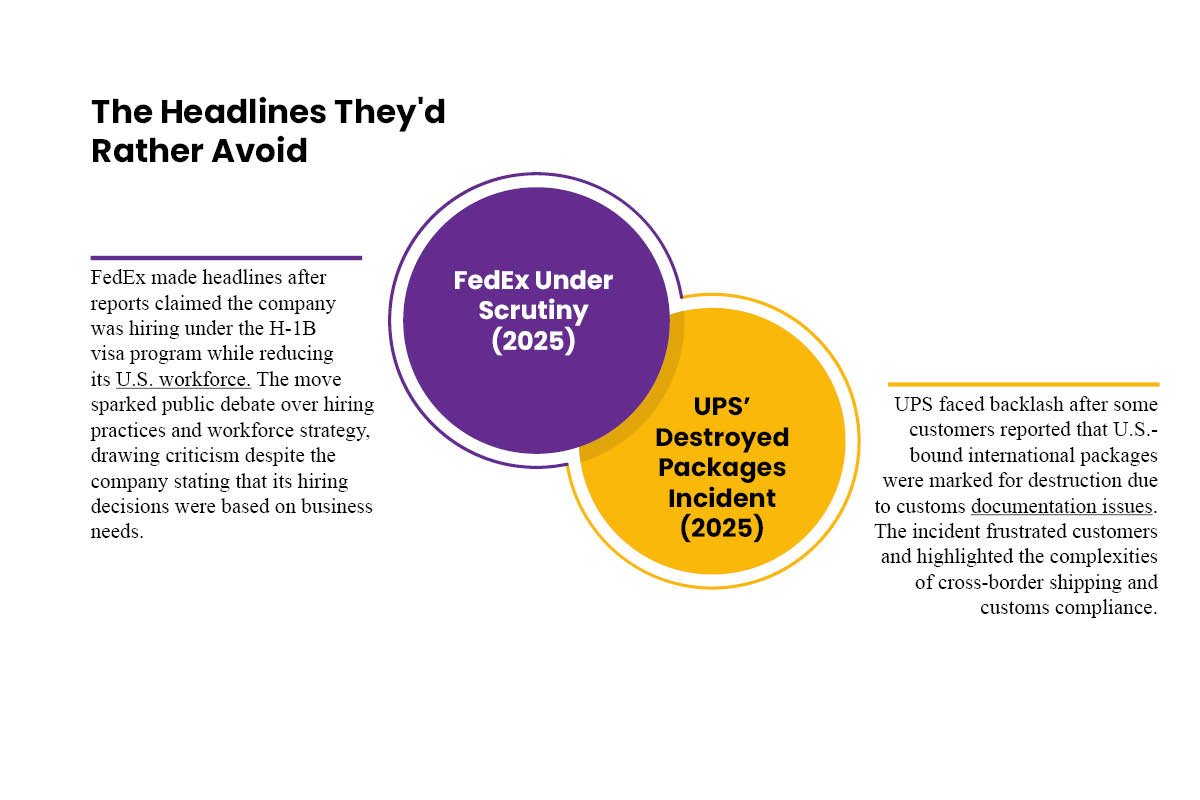
FedEx made headlines after reports claimed the company was hiring under the H-1B visa program while reducing its U.S. workforce. The move sparked public debate over hiring practices and workforce strategy, drawing criticism despite the company stating that its hiring decisions were based on business needs.UPS’ Destroyed Packages Incident (2025)
UPS faced backlash after some customers reported that U.S.-bound international packages were marked for destruction due to customs documentation issues. The incident frustrated customers and highlighted the complexities of cross-border shipping and customs compliance.
Is FedEx or UPS Cheaper?
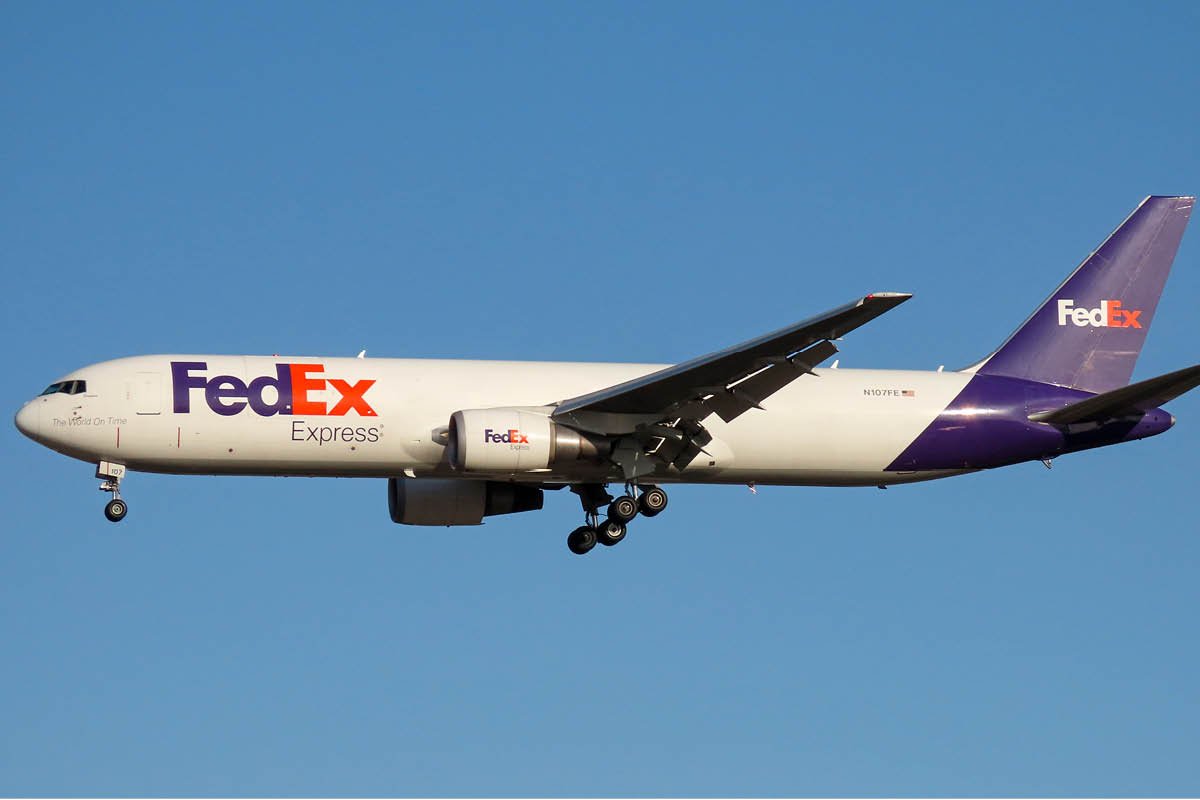
When it comes to shipping costs, there isn’t a clear winner. The better value depends on the specifics of your shipment, including its size, weight, destination, and how quickly it needs to arrive.
Generally, UPS is a more cost-effective option for:
- Small and lightweight parcels within the U.S.
- Heavy packages that require overnight delivery
- Many domestic express shipping services
FedEx often has the edge for:
- Heavy shipments sent through ground services
- Standard domestic ground deliveries
- Several international shipping routes
Rather than asking which carrier is cheaper overall, it’s more useful to compare rates for your specific shipment. Pricing can vary significantly depending on the service selected, delivery distance, and any business discounts available.
Looking Ahead
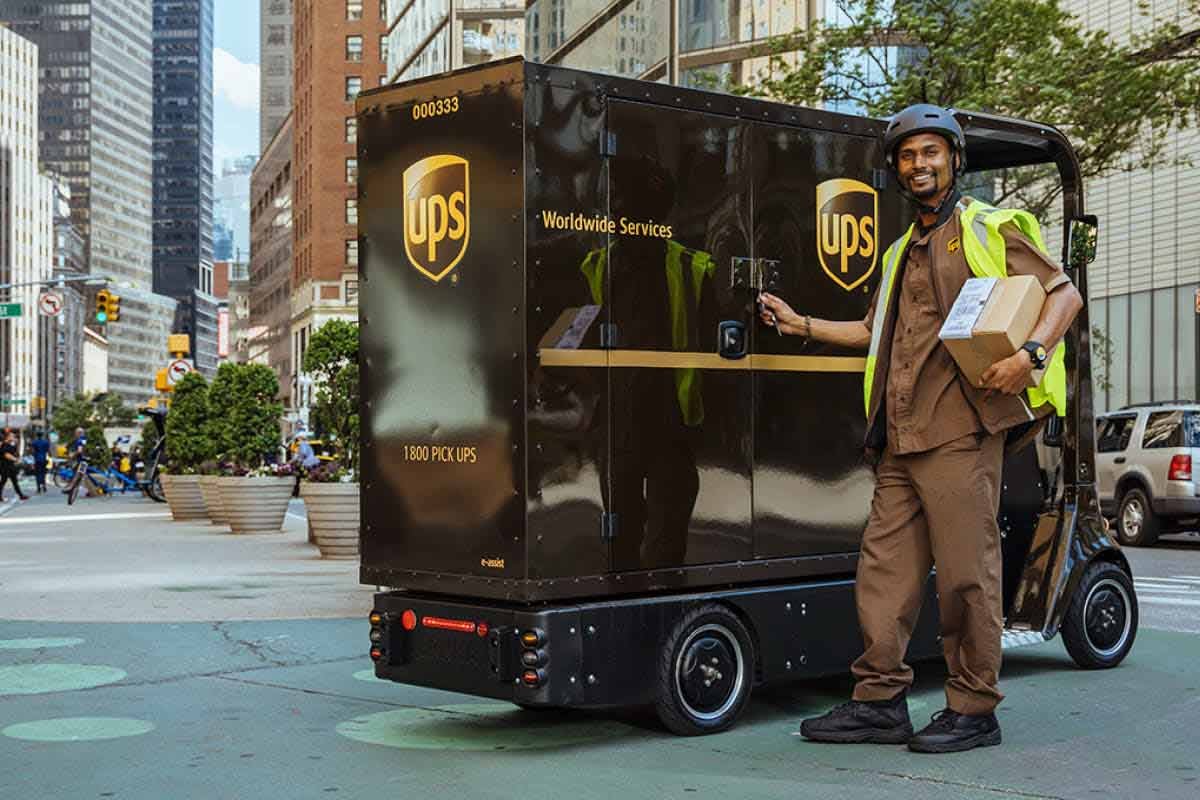
The FedEx vs. UPS rivalry is far from over. As e-commerce continues to grow, both companies are investing in artificial intelligence, automation, robotics, electric vehicles, and sustainable logistics to meet rising customer expectations.
Despite these technological advances, their biggest competitive advantage remains the same: customer trust. By constantly pushing each other to innovate, FedEx and UPS have transformed the logistics industry and set new standards for speed, efficiency, and reliability. As global commerce grows, this iconic rivalry is only set to grow stronger.
Thank You For Reading!
See More
The Titans of Tech: How IBM and HP Defined and Redefined Corporate Rivalry