The latest advancements in EEG systems are making brain monitoring smaller, wireless, and easier to use. Wearable EEG devices now support home monitoring, sleep tracking, epilepsy care, and brain research. New improvements in AI analysis, dry electrodes, and remote monitoring are helping doctors work faster. However, challenges like signal accuracy, battery life, and brain data privacy still remain.
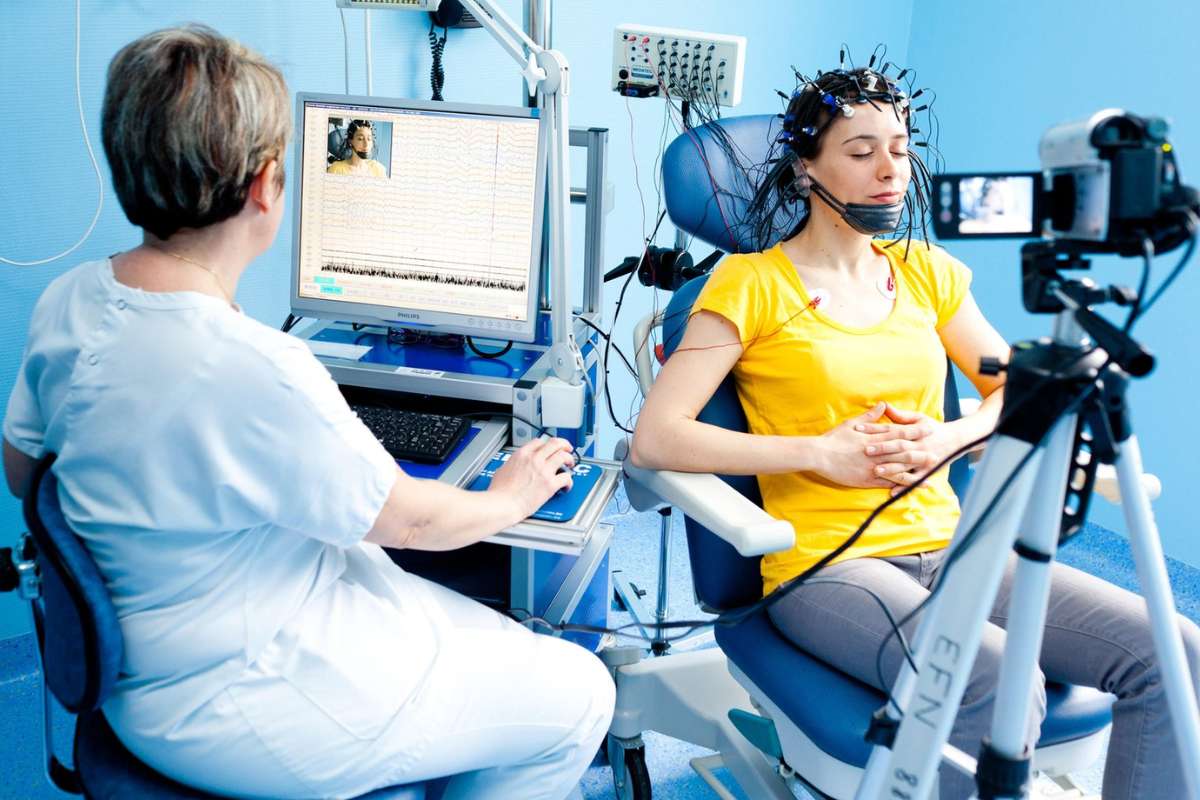
EEG systems help doctors study brain activity by reading small electrical signals from the brain. In the past, EEG tests were mostly done in hospitals using large machines with many wires. Patients often had to stay still during long and uncomfortable sessions.
Today, brain monitoring is becoming much easier. Latest Advancements in EEG Systems are leading to smaller, wireless, and wearable devices that people can use at home or while moving around. These systems help track conditions like epilepsy, sleep disorders, and brain injuries over longer periods.
Some wearable EEG devices also use AI tools to help doctors review brain wave data more quickly. As the technology improves, EEG monitoring is becoming more comfortable, flexible, and easier to access.
How do EEG systems become smaller and Easier to wear?
Older EEG systems were large, wired, and mostly limited to hospitals. Patients often had to stay still during testing, which made long sessions uncomfortable.
Today, wearable EEG devices are much smaller and wireless. Many use smart caps, lightweight headbands, and portable sensors that people can wear at home or while moving around.
This shift improves more than comfort. When patients feel relaxed and move naturally, doctors often get better brain signal recordings. Longer monitoring sessions can also help detect issues that may not appear during short clinic visits, including some seizures and sleep problems.
Wearable EEG systems are now used in hospitals, sports science, research, and home care. Their smaller size makes brain monitoring easier, more flexible, and more practical for daily use.
Latest Advancements in EEG Systems Include Better Electrode Design
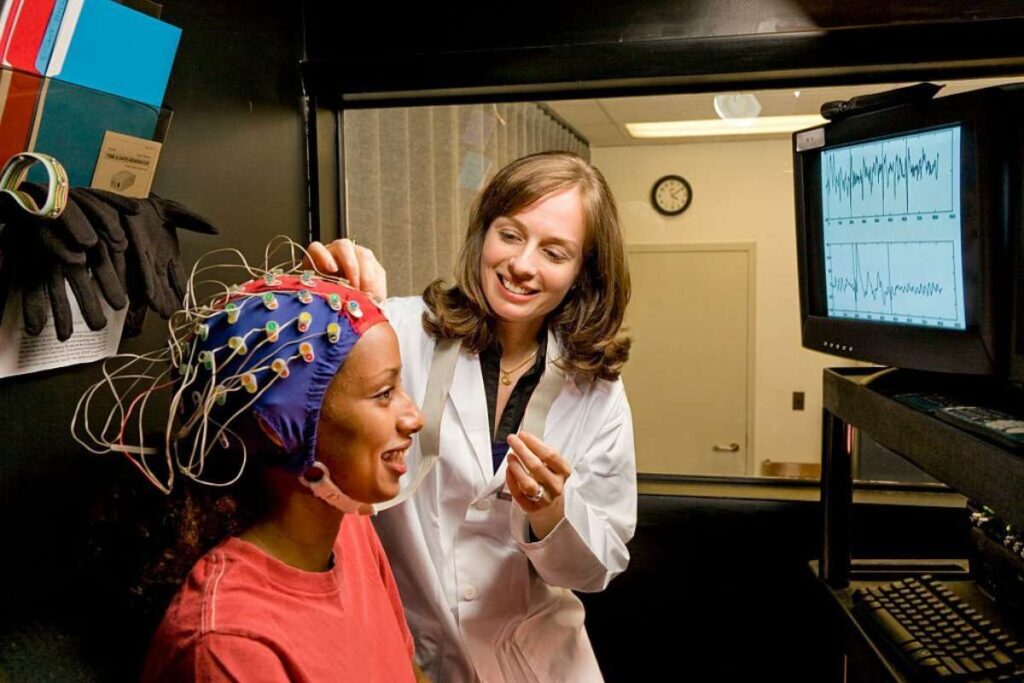
One major change in wearable EEG devices is the improvement in electrode design. Traditional EEG systems usually used wet electrodes, which needed sticky gels to help collect brain signals. While effective, they could feel messy and take longer to set up.
Many newer systems now use dry electrodes. These are faster to apply and more comfortable for long monitoring sessions, especially for children and older adults. They also make home EEG testing more practical.
Some key improvements include:
- Faster setup with little or no gel
- More comfort during long use
- Easier monitoring outside hospitals
- Better support for wearable EEG devices
Dry electrodes still have some limits. Heavy movement can sometimes weaken signal quality. Because of this, some newer EEG systems now use hybrid designs that combine dry and semi-dry sensors for more stable readings.
Good electrode contact remains important. If the sensors do not sit properly on the scalp, the brain signals may become noisy or unclear.
Wearable EEG Devices Are Expanding Remote Patient Monitoring
Wearable EEG devices are helping more patients get brain monitoring from home instead of staying in hospitals for long tests. As part of the latest advancements in EEG systems, these devices can record brain activity over longer periods and send the data securely to doctors through cloud-based platforms.
This is especially useful for conditions like epilepsy, sleep disorders, and recovery after brain injuries. Long-term home monitoring can sometimes catch seizure events that short clinic visits may miss. According to the World Health Organization, around 50 million people worldwide live with epilepsy, increasing the need for easier and more accessible brain monitoring tools.
| How Wearable EEG Helps | Why It Matters |
| Home-based monitoring | Greater comfort for patients |
| Long recording sessions | Better chance of spotting rare events |
| Secure data sharing | Faster doctor review |
| Fewer hospital visits | Lower stress and more convenience |
| Support for rural patients | Easier access to specialists |
Patients also tend to feel more relaxed at home, which can lead to more natural recordings of brain activity. As wearable EEG systems improve, remote neurological care is becoming more practical and easier to access.
Latest Advancements in EEG Systems Are Improving Brain-Computer Interfaces
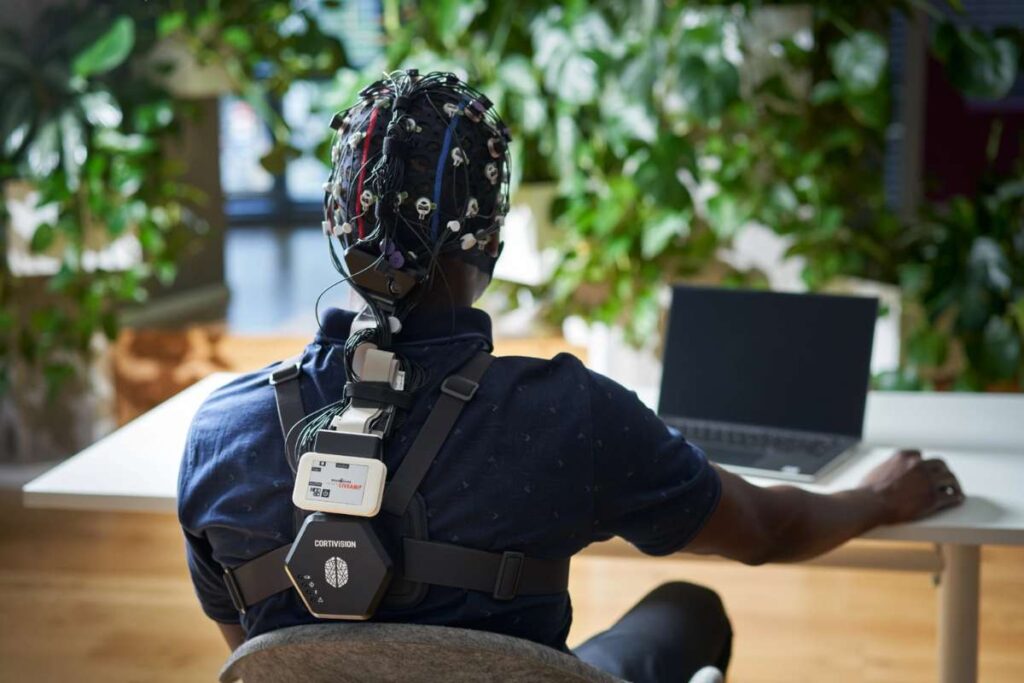
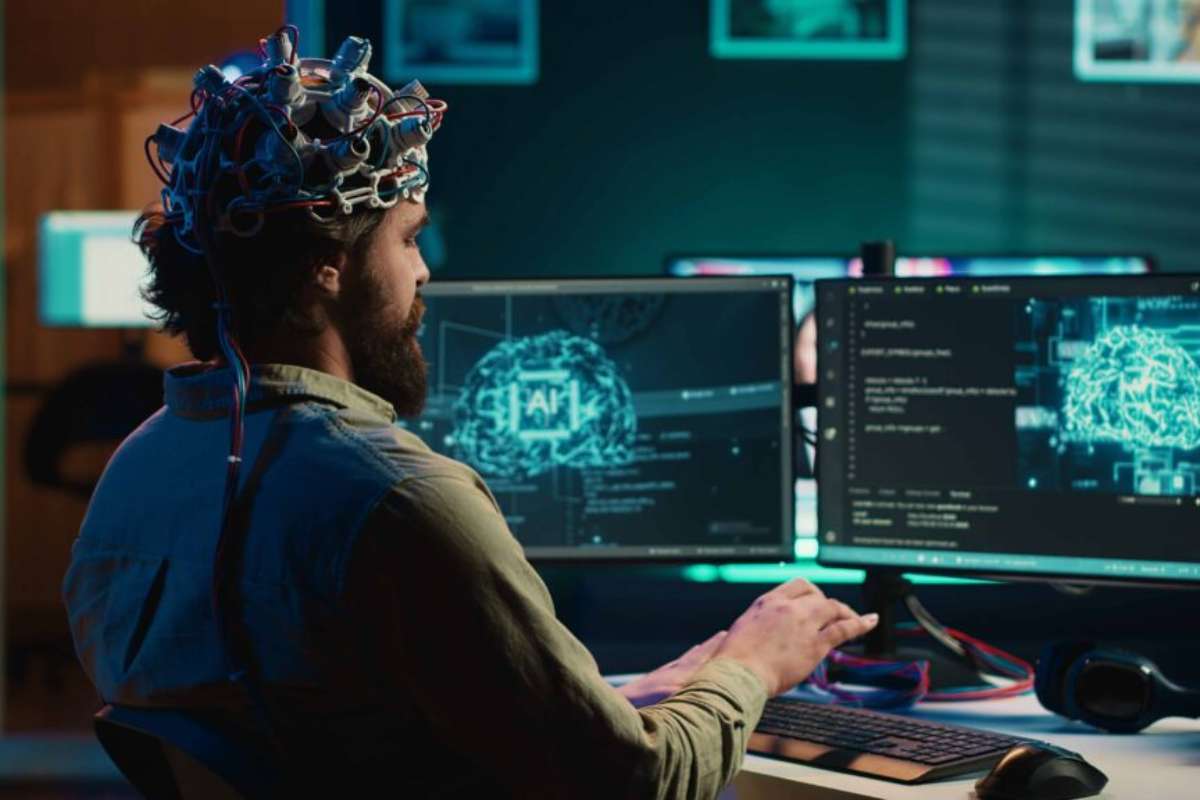
Brain-computer interfaces, often called BCIs, allow people to control devices using brain signals. EEG systems collect brain activity, and software turns those signals into commands for a screen, keyboard, or machine.
This technology is becoming more advanced as wearable EEG devices become smaller and easier to use.
How Brain-Computer Interfaces Work?
A wearable EEG headset reads electrical signals from the brain through sensors placed on the scalp. The system then looks for specific brain patterns linked to movement, focus, or attention.
In some cases, users can:
- Move a wheelchair
- Type words on a screen
- Control a robotic arm
- Use simple smart home controls
Medical vs Consumer EEG Headsets
Not all EEG headsets are built for the same purpose. Some are designed for hospitals, research labs, and medical care, while others are made for gaming, wellness, or focus tracking. This difference can affect signal quality, accuracy, and how the data is used.
| Medical EEG Systems | Consumer EEG Headsets |
| Used in hospitals and research | Used for gaming, focus, or wellness |
| Higher signal accuracy | Lower accuracy in many cases |
| Closely monitored by experts | Often designed for casual use |
| Used for rehabilitation support | Mostly used for personal tracking |
Current Limits of EEG-Based BCIs
While the technology is improving, some limits still remain in the latest advancements in EEG systems. Brain signals can become noisy during movement, and wearable devices may not always capture highly detailed activity. This means some commands can be slower or less accurate than expected.
Even with these limits, newer wearable EEG systems are helping researchers build better tools for disability support and rehabilitation.
AI is Making EEG Analysis Faster and Smarter
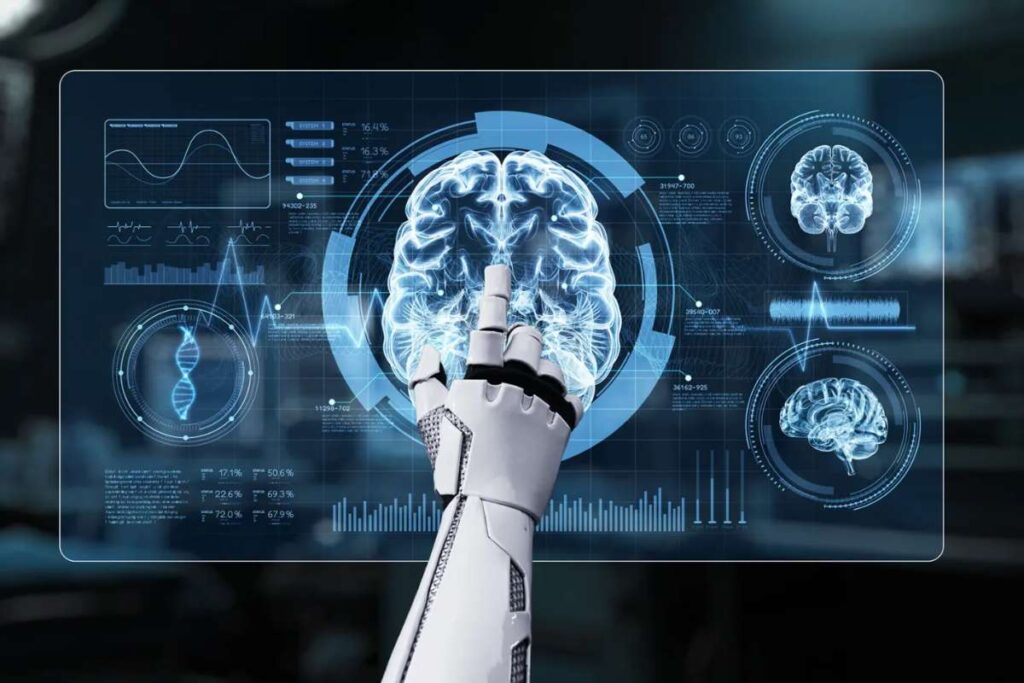
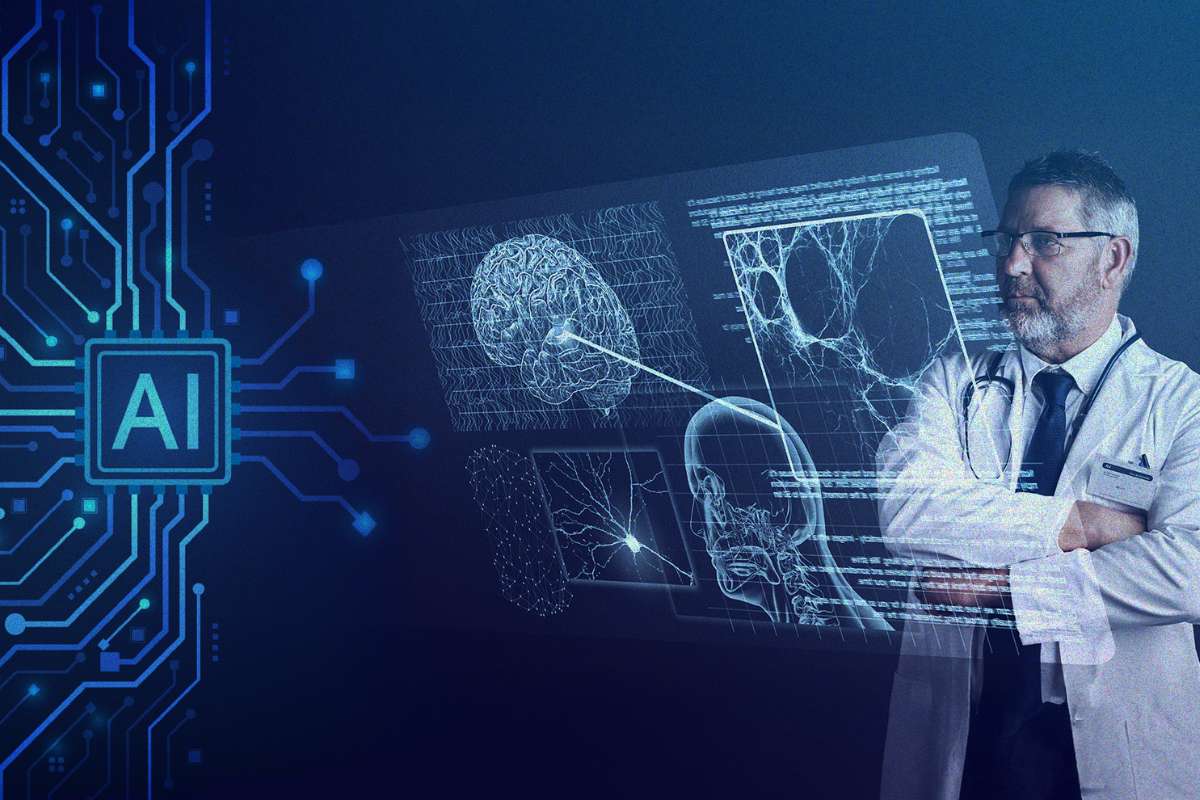
AI is helping doctors review EEG recordings faster and more efficiently. Modern wearable EEG devices can collect brain wave data for many hours, and AI tools help spot unusual patterns more quickly. Some AI-based EEG seizure detection systems have shown accuracy rates above 95% in research studies, highlighting how quickly the technology is improving.
Some systems can assist with:
- Faster seizure alerts
- Sleep pattern analysis
- Detection of unusual brain activity
AI supports doctors instead of replacing them, which is an important part of the latest advancements in EEG systems. False positives can still happen, so medical experts still need to review the results carefully.
Large EEG datasets also help improve AI systems over time. Longer recordings from wearable EEG devices give researchers more data to train smarter and more accurate analysis tools.
Wearable EEG Devices Are Expanding Beyond Medical Monitoring
Wearable EEG technology is now being used in mental health and wellness research. Researchers are studying how brain activity changes during stress, focus, anxiety, meditation, and depression. Some neurofeedback programs also use EEG signals to help users practice relaxation and attention control.
Many newer devices are lightweight, wireless, and built for daily wear. Features like Bluetooth connectivity and longer battery life make long-term brain activity tracking easier outside clinics and labs.
However, there are still limits to the technology.
| Current Progress | Important Limitation |
| Wireless EEG monitoring | Signal interference can still happen |
| Smaller batteries with longer use | Weak battery life may affect recordings |
| Real-world brain tracking | EEG cannot read thoughts |
| Consumer EEG headsets | Some marketing claims are exaggerated |
Research-grade EEG systems are also more accurate than many wellness-focused consumer devices. As part of the latest advancements in EEG systems, newer tools using edge computing are helping reduce delays and improve real-time data processing.
Home EEG Monitoring Is Growing, but Privacy Questions Remain
Wearable EEG devices are making home sleep monitoring more common. Many newer systems can track sleep stages, brain activity, and nighttime disruptions without requiring patients to stay overnight in a sleep lab. These devices are often more comfortable and easier to use for long recordings at home.
However, home EEG systems still have limits. Poor sensor placement can affect accuracy, and some conditions still require full clinical sleep studies for proper diagnosis.
At the same time, brain data privacy is becoming a bigger concern as more EEG systems connect to cloud platforms and mobile apps.
Before using a wearable EEG device, users should ask:
- Who owns the brainwave data?
- Is the data encrypted?
- Can recordings be deleted?
- Is the device medically approved?
Consumer sleep tech is growing quickly, but strong security and accurate monitoring remain important.
The Future of Wearable EEG Devices
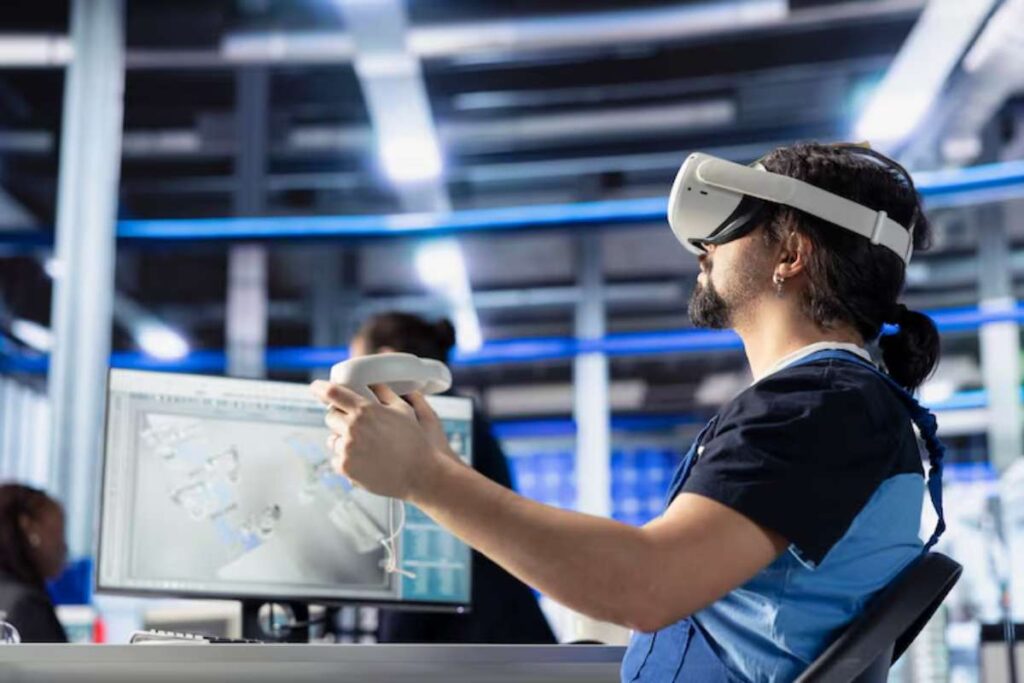
Wearable EEG devices are becoming smaller, lighter, and easier to use. Researchers are testing them in areas like elder care, gaming, workplace safety, and home health tracking. Better remote monitoring tools may also help doctors watch patients from home more easily.
Latest Advancements in EEG Systems are making brain monitoring more comfortable and easier to access. Wireless devices and AI tools now help doctors collect and review brain wave data faster. These systems are already helping with epilepsy care, sleep tracking, recovery support, and brain research.
Some challenges still remain. Movement and poor sensor placement can affect signal quality. Brain data privacy is also becoming more important as more EEG devices connect to apps and cloud systems. As the technology grows, accurate testing, strong safety standards, and realistic expectations will still matter.
Frequently Asked Questions
What are wearable EEG devices used for?
Wearable EEG devices track brain activity. Doctors use them for epilepsy, sleep problems, brain injuries, and long-term brain monitoring. Some people also use them for meditation and focus training.
Are wearable EEG systems accurate?
Many wearable EEG systems can give accurate results, especially medical devices. However, movement, weak sensor contact, or poor placement can affect signal quality.
Can EEG devices be used at home?
Yes. Many modern EEG devices are made for home use. They help doctors monitor patients without long hospital visits.
What is the difference between wet and dry EEG electrodes?
Wet electrodes use a special gel to collect brain signals. Dry electrodes do not need gel and are faster to use, which is one of the latest advancements in EEG systems. However, dry electrodes may sometimes give weaker signals during movement.
Are EEG headsets safe?
EEG headsets are generally safe. They only record brain activity and do not send anything into the brain. Proper use and approved medical devices are still important.